
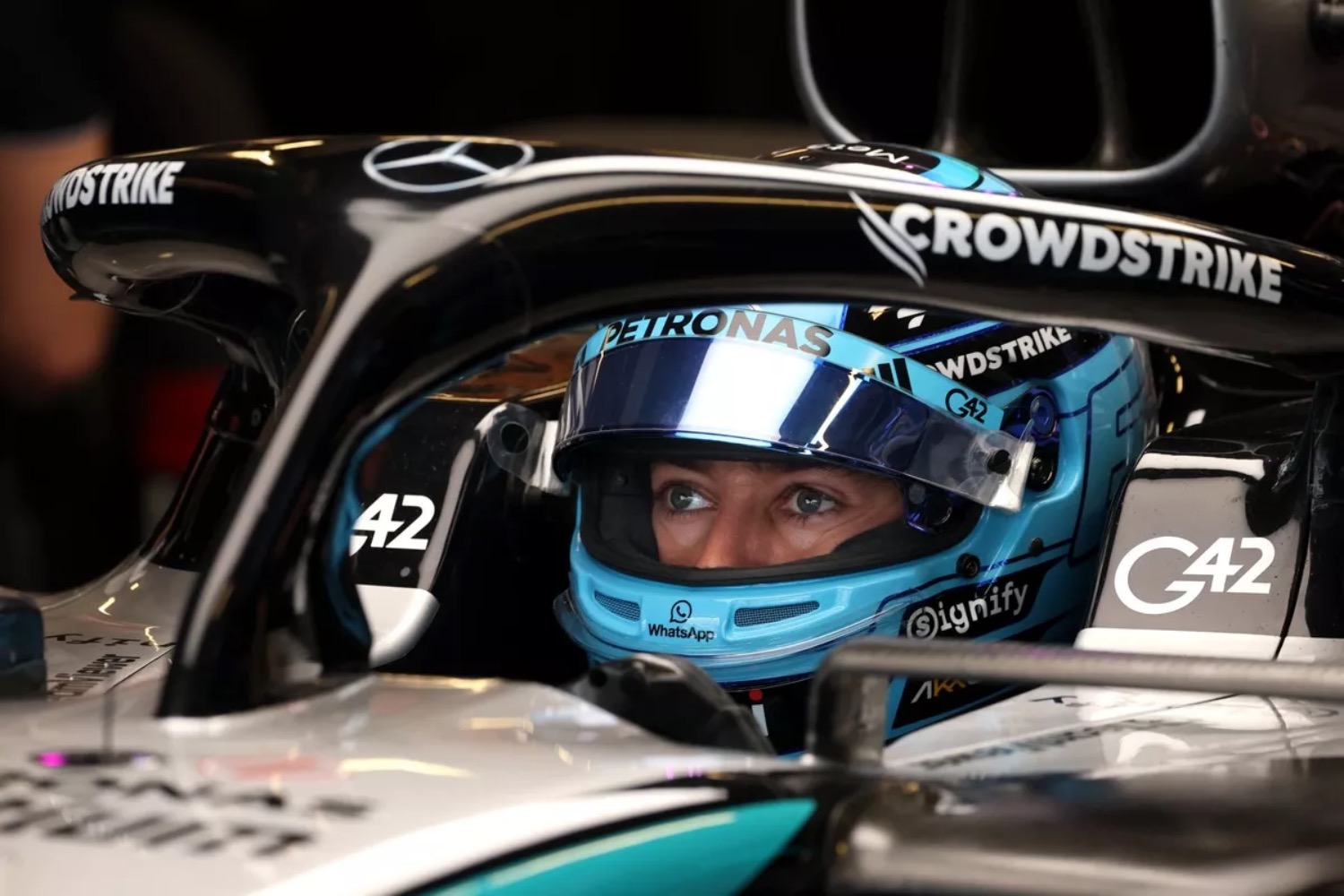

The sun slips behind the pit buildings, the asphalt cools, and suddenly every lap feels like it counts double: second practice in Abu Dhabi is where teams finally run in the same conditions that will decide everything on Saturday and Sunday. After an experimental FP1 filled with young drivers and test parts, the regulars scramble back into their cockpits while engineers with laptops and headsets hunt for that last fraction of a second. In this magic hour between desert glow and full floodlight, the true pecking order starts to shimmer through: who shines on low fuel, who quietly nurses tyres for Sunday, and who is still wrestling with a nervous car. Abu Dhabi’s FP2 is less a practice session and more a dress rehearsal – often the clearest preview of how the weekend will really unfold.
The heat of the day still shimmers off the tarmac as the first cars snap out of the Yas Marina pit lane. You feel the ground tremble as one machine after another slingshots from the shadows into the hard white of the floodlights. Over Turn 1 hangs the heavy mix of hot rubber and fresh fuel, while the last orange streaks of desert sky bleed away behind the grandstands. FP2 in Abu Dhabi doesn’t creep up on you. It hits like a starter’s gun.
All afternoon the picture was distorted: blinding sun, overheated asphalt, rookies in the cockpit, tyre compounds that will never be seen again on Sunday. Now, in second practice, the gloves come off. Same time of day as qualifying, same lighting as the race. Everyone in the paddock knows: if you’re quick here, you’ll be dangerous all weekend.
Inside the garages, it’s controlled chaos. Mechanics lean deep into wheel arches, front wings are tweaked a few millimetres, while engineers stare at walls of timing data. Sector colours flicker: green, yellow, the occasional precious purple. A clipped radio call cuts through the noise: “Track is good, lots of grip.” The driver confirms, barely a word, and then the engine note climbs – sharp, angry – as he’s released into the night.
After a handful of warm-up laps, the mood shifts. Soft tyres go on, fuel loads come down, and suddenly everyone is playing one-lap poker. Out on track, you can see drivers backing off, waving each other through, hunting for a clean window. Under the lights, Yas Marina suddenly feels very narrow; in the last sector, cars stack up like taxis at a late-night traffic light.
Lap times tumble. Every few minutes a new fastest time flashes up on the timing screens, only to be beaten by the next run. Purple first sector, yellow second, traffic in the third. A tiny lock-up into the hairpin here, a scruffy exit over the kerb there. The radio becomes a soundtrack of near-misses: “We’ll go again, tyres are still in the window.” Once more, a car dives for Turn 1, red rain light glowing, chasing that elusive perfect lap.
Then the rhythm changes again. Pit boards suddenly show different lap targets, the times stabilise. The teams send their drivers out heavier with fuel – now it’s all about Sunday. Over ten, fifteen laps, the stopwatch stops being about headlines and starts being about hard truth.
From the grandstand it looks almost uneventful. Car follows car, the gaps hover within tenths. But on the engineers’ laptops, the real story is being written: tyre drop-off, sector comparisons, GPS overlays in every corner. A Red Bull looks serene on the straights, a Ferrari dances restlessly under braking. A Mercedes inches its way through brake and diff settings, a McLaren carves through the fast final sector like it’s on rails.
And always the same, quiet questions on the radio: “How are the tyres?” – “Rears are starting to go.” Short sentences, big implications. By midnight, they’ll have turned into strategy plans, pit windows and fuel targets that can decide a season finale.
Nobody outside the garages truly knows fuel loads or engine modes. Some teams hide, some show off, some simply stick to the plan. But patterns still emerge. The cars that look both sharp on low fuel and kind to their tyres in the long runs are the ones everyone watches a little more closely as the paddock empties.
For fans, FP2 is the chance to read between the lines. The tiny steering corrections mid-corner, the tone of a driver’s voice on the radio, the way an engineer’s shoulders relax – or don’t – after the final run. When the chequered flag falls and the cars roll back into the pits, the sky over Yas Island is finally black. And yet you walk out with the feeling that the real Abu Dhabi weekend has only just begun.
Look across from the main grandstand towards the marina and you don’t just see yachts and fairy lights. You see another side of Yas Island: waterfront apartments, branded hotel residences with track views, villas tucked between fairways and floodlit asphalt. While drivers chase thousandths, investors here think in years and yield.
Formula 1 acts as an amplifier. Every finale, every helicopter shot on global TV burnishes the location’s image, pushing demand for a front-row seat to the spectacle. For buyers hunting for international second homes or high-end short-term rentals, Yas Island ticks a lot of boxes: peak occupancy around race week, steady tourism thanks to theme parks and beaches, and modern infrastructure from airport link to malls. Invest here, and you’re not just buying square metres; you’re buying permanent proximity to one of the most spectacular sporting stages in the world.