
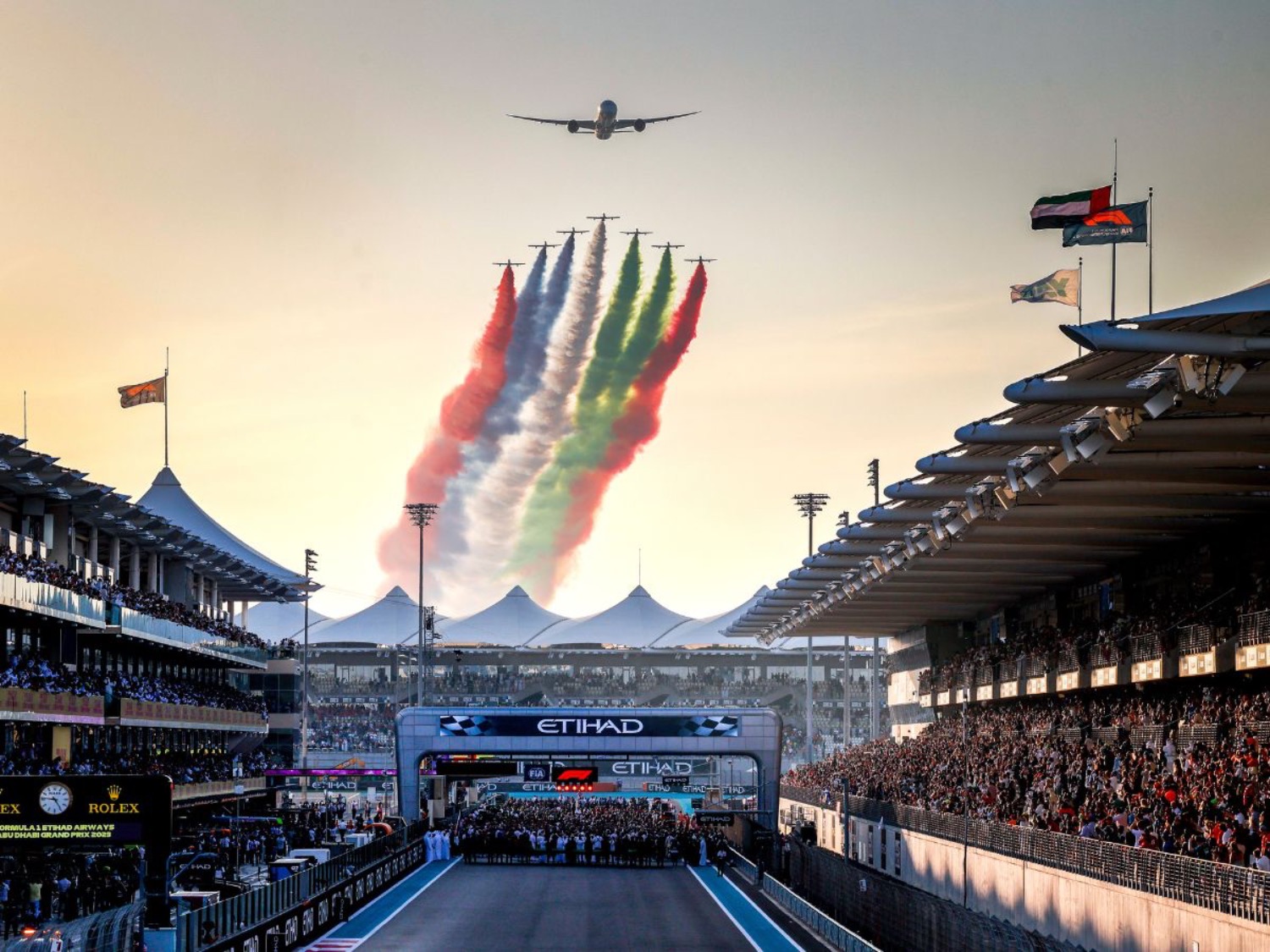

Under the floodlights of Yas Marina, organisers and fans agree: the Abu Dhabi Grand Prix is more than speed and spectacle — it is a wellbeing event. A recent survey of attendees highlights high levels of enjoyment, social connection and safety, while also pointing to practical stressors such as crowd management, heat and transport. The findings are prompting promoters to expand wellbeing zones, cooling infrastructure and mental-health support at future race weekends.
The night sky above Yas Island is a sheet of deep indigo, pierced by the streaks of F1 cars and the warm halos of hospitality suites. A woman in a team cap leans on the barrier and laughs, fingers sticky with festival food. A group of friends share a blanket under an LED-lit palm. Between the engine roars, you can hear something else: conversations, cheers, the soft hum of people relieved to be together.
That human sound is the core finding of a recent wellbeing survey conducted among visitors to the Abu Dhabi Grand Prix. Organisers asked fans about their experience beyond the race clock — how safe they felt, whether they connected with family and friends, whether the event improved their mood and reduced stress. The headline: for most, it did.
“It’s more than a race,” says Omar, a regular spectator who comes every year. “We come for the cars, yes, but it’s the sense of being part of something — the music, the food, the people — that sticks with you after the lights go out.”
Respondents reported high levels of social wellbeing: many described attending with close friends or family and said the festival atmosphere helped them relax. Safety and crowd management also scored positively in the survey, with attendees noting visible stewarding and effective security checks. But the research did not paint an entirely rosy picture.
Heat, crowd density and transport emerged as recurring friction points. On the hottest afternoons, queues at shuttle points lengthened and temporary shade proved insufficient for some visitors. Several fans mentioned fatigue after long days on their feet and said they would welcome more seating, shaded rest areas and clearer signage to exits and transit hubs.
Organisers appear to be listening. The survey’s conclusions are already informing plans: expanded wellbeing zones with cooling mist systems, more seating and hydration stations, dedicated quiet areas for anyone feeling overwhelmed, and a stronger on-site presence of trained wellbeing volunteers. Officials also plan to refine crowd flows and increase shuttle frequencies at peak times.
There is a financial logic to these moves. A more comfortable, less stressful experience keeps fans on site longer, increases spending in food and retail, and encourages return visits. It also broadens the event’s appeal beyond traditional racing fans to families, international tourists and corporate guests seeking a luxury-but-comfortable experience.
Beyond comfort, the survey shines a light on mental health support at major sporting events. Some respondents praised the availability of first-aid teams and the friendliness of staff; others asked for clearer information about mental-health resources and quiet refuges. In response, the race weekend now includes trained wellbeing volunteers and signposted quiet rooms — small interventions that can make a big difference when crowds and noise become overwhelming.
“A simple shaded bench or a calm tent can reset someone’s day,” says a volunteer coordinator. “It’s not dramatic — but it matters.”
What this survey underscores is the shift in how large-scale events are planned: organisers are designing for human rhythms, not just spectacle. They measure applause and lap times, yes, but they are also tracking heartbeats and hydration levels. The result is an event that seeks to marry adrenaline with care.
The wellbeing improvements at the Grand Prix ripple into local hospitality and investment markets. A better fan experience raises demand for short-stay rentals, premium hotels and branded residences on Yas Island and nearby neighborhoods. Investors should note:
For property owners and developers, the takeaway is clear: events that invest in wellbeing can boost local real-estate performance by converting single-visit attendees into repeat, higher-spending visitors and long-term residents.