
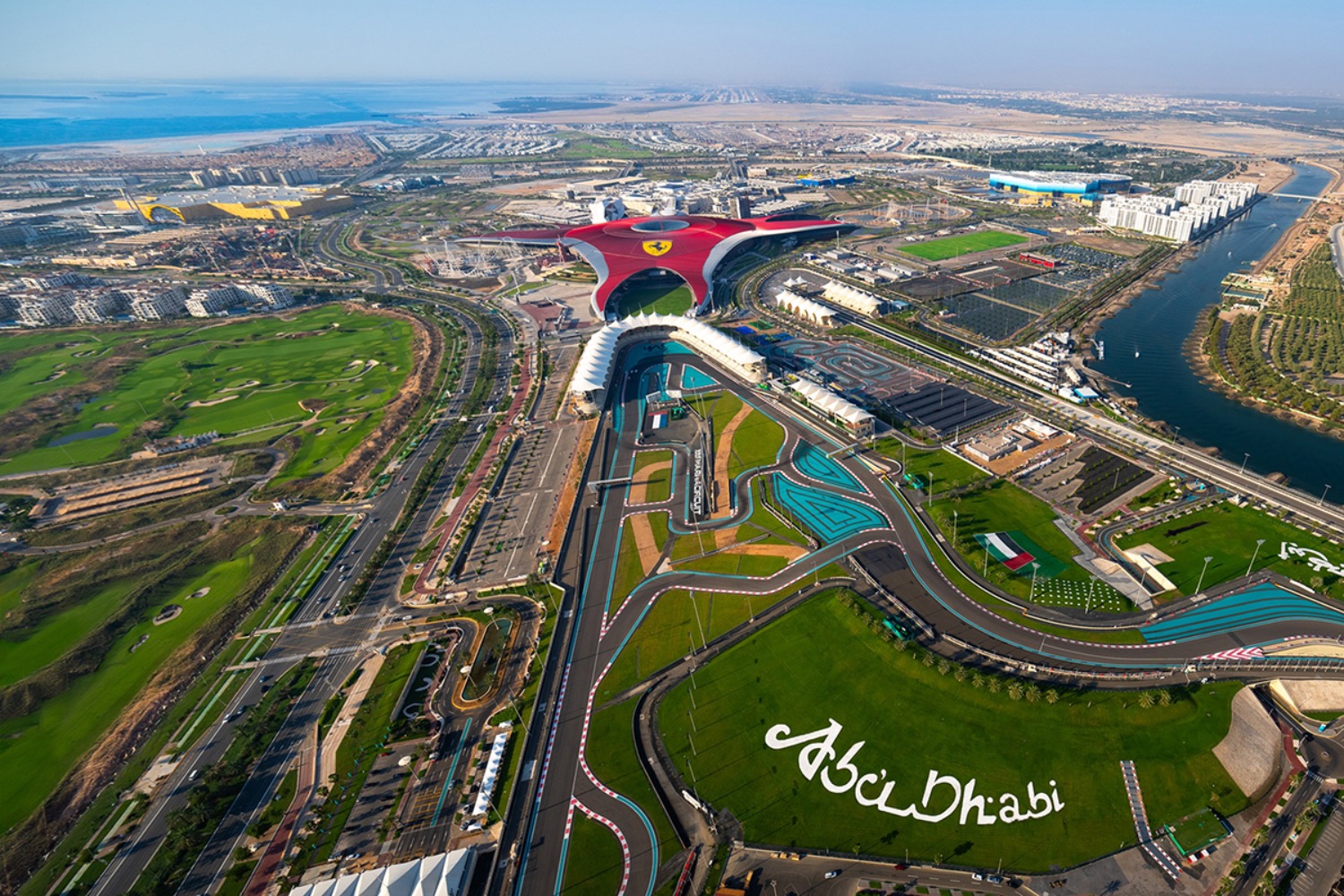

The 2025 Formula 1 Grand Prix in Abu Dhabi will not just be a race of supercars, but a live stress test for an entire smart-city system. Authorities are preparing a digital choreography of AI-powered drones, self-driving shuttles and 3,000 taxis to move tens of thousands of fans with military precision. From the sky to the pit lane shuttle, every link in the mobility chain is set to be monitored, analysed and optimised in real time. For visitors, this means shorter waits, safer flows and a front-row view of how future cities might actually work on a normal – or rather, very extraordinary – weekend.
The air above Yas Island hums quietly before the first engine even roars to life. Not from helicopters or blimps – from small, fast, almost silent drones that glide over the grandstands like curious birds. On the ground, a white shuttle with no driver at the wheel rolls up to a group of fans. A teenager nudges his father and half-jokes, "Is this taking us to the future or just to the paddock?"
Welcome to the 2025 Formula 1 Grand Prix in Abu Dhabi, where the real show begins long before the red lights go out. This time, the city itself is the laboratory, and the test object is everything that usually annoys spectators at big events: traffic jams, shuttle chaos, slow taxis, and crowd bottlenecks.
For years, the Sunday night traffic jam after the race was as much a tradition as the fireworks over Yas Marina. Thousands of fans leaving at once, lines of taxis, flashing brake lights stretching over the bridges. It was spectacular – and exhausting. In 2025, Abu Dhabi wants to swap that image for something very different: a city that breathes with the flow of the event, adjusting in real time, almost like a living organism.
The plan revolves around three pillars: an eye in the sky, a brain on the road, and sheer transport capacity. AI-enabled drones provide the overview. Self-driving vehicles and autonomous shuttles experiment with the future of mobility. And 3,000 taxis, coordinated and distributed more intelligently, form the backbone that ensures everyone actually gets home.
Look up, and the drones are easy to miss at first. They’re small, agile and fly in defined patterns, like invisible lanes in the sky. Their cameras are not here for flashy TV shots, but for something much more prosaic – and for visitors, much more useful: situational awareness.
From above, the AI systems can see where the crowds are thickening, where queues are building faster than expected, where the traffic starts to slow long before drivers notice anything. A shaded fan zone suddenly gets crowded? More shuttles and taxis can be dispatched. A bridge fills up after the podium ceremony? Digital signs and staff are guided to ease the flow.
The data stream turns the entire race weekend into a constantly updated map of movement. What used to be fixed plans and best guesses is now a live feedback loop. Algorithms suggest, humans decide, and the city responds within minutes rather than hours.
On the ground, the robot revolution is more visible. Sleek, driverless shuttles glide between park-and-ride zones, hotels and the circuit. They stop precisely at markings on the asphalt, doors sliding open with quiet precision. Inside, fans film the empty driver’s seat like a new celebrity.
For Abu Dhabi, these vehicles are more than just a convenient extra service for racegoers. They are a public demonstration of where the emirate wants to go: towards a city in which autonomous mobility is part of everyday life. The Formula 1 weekend, with its high demand and compressed time window, is the perfect stress test – if the system works here, with thousands of impatient fans and strict time pressure, it can work on a regular Thursday evening commute.
And there is a psychological effect as well: once you’ve trusted a driverless shuttle after a night race, the step to using a similar service on a normal weekday suddenly doesn’t feel so bold anymore.
Still, the real heroes of the night shift remain much more familiar: taxis. Around 3,000 of them are expected to be in circulation as the city braces for the race weekend. The difference compared to years past is how they’re coordinated.
Instead of long, snaking queues that move in bursts, authorities are pushing for more dynamic staging. Real-time data from drones, roadside sensors and booking apps feed into dispatch systems. Taxi ranks can expand or contract on demand. Routes are adjusted to avoid congestion right as it forms, not once it’s already turned into a jam.
For drivers, this promises more trips and fewer dead miles. For fans, it means less time staring at the back of a car and more time reliving the overtakes, arguments over tyre strategies, and that one impossible move in Turn 9.
It would be easy to see all this as a one-off tech spectacle for a global audience – a nice marketing reel between pit stop highlights. But for Abu Dhabi, the race is only the opening act. The same technologies being tested under race pressure are intended to shape everyday life: the commute to the office, the school run, the trip to the mall, the late-night ride home.
Each trip taken during the Grand Prix weekend generates data. How people move. At what times pressure peaks. Which routes are naturally preferred, which shortcuts work, which don’t. Combined, that data becomes the raw material for planning future bus lines, ride-hailing zones, autonomous corridors, and even where new footbridges or shaded walkways might make sense.
In other words: the Formula 1 Grand Prix is no longer just a sports event. It’s the most visible test bench of Abu Dhabi’s ambition to become a global showcase for AI-enabled urban mobility.
For investors and property buyers, the Grand Prix tech push is more than a fascinating gadget show – it’s a very concrete indicator of where value could concentrate over the coming years.
Areas that are first in line for smart mobility upgrades tend to be the ones that gain long-term appeal. On Yas Island and the adjacent districts, every increment in accessibility – whether faster shuttles, smoother taxi flows or future autonomous corridors – usually translates into stronger demand for homes, serviced apartments and hotel keys.
Two effects matter in particular:
For those looking at Abu Dhabi from an investment perspective, the 2025 Grand Prix offers a useful lens: follow the data cables and shuttle routes, and you often find tomorrow’s most resilient property clusters. The city is effectively signalling where it plans to concentrate infrastructure spending – and in real estate, infrastructure is often the most reliable leading indicator of value.
Watching the drones over Yas Island, you’re not just seeing the future of major events. You’re also catching an early glimpse of the neighbourhoods that could quietly move up the wish lists of residents, tenants and global investors alike.