
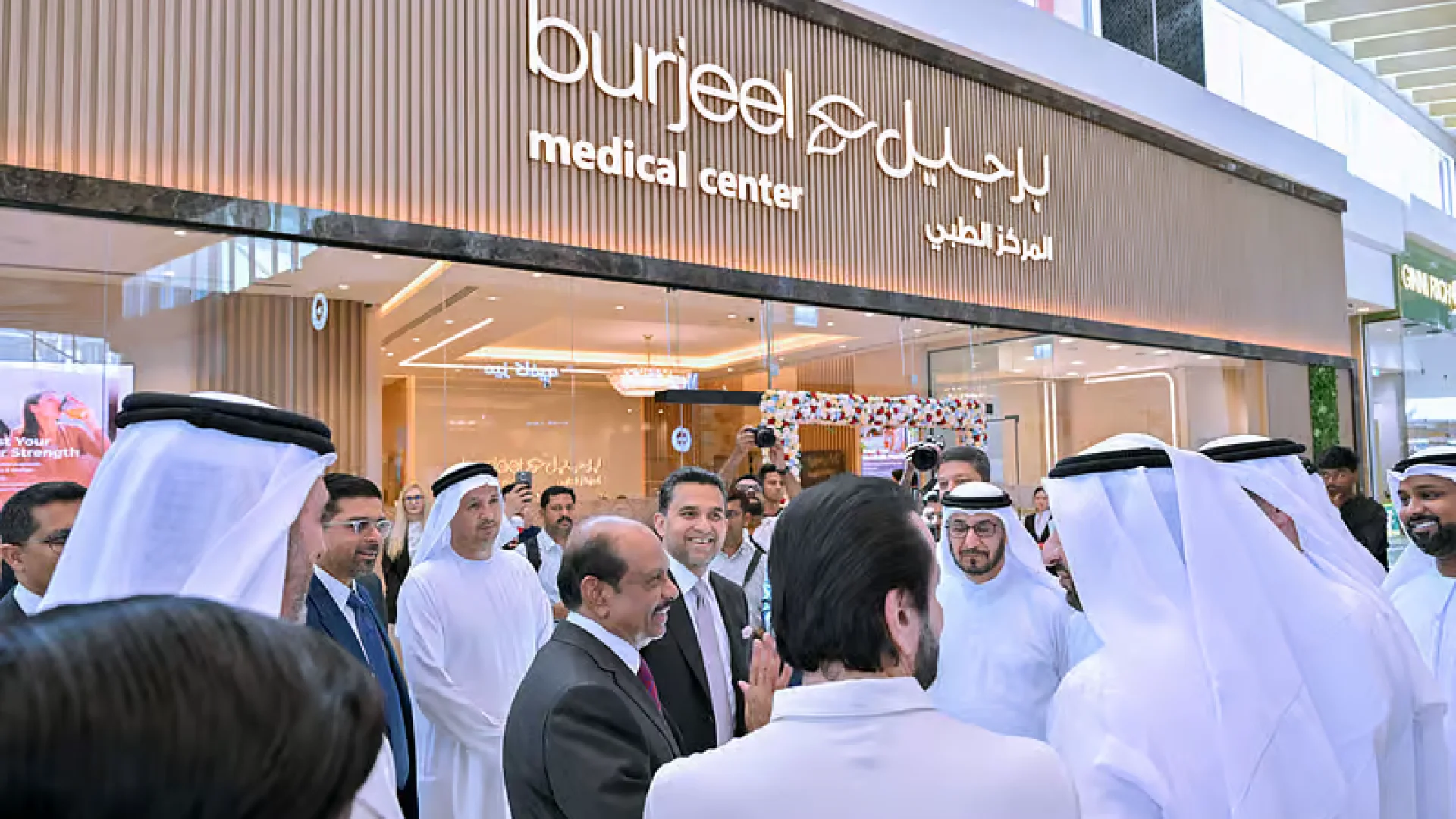

In a region rattled by conflict headlines, Burjeel Holdings is doing the opposite of retreating: it’s expanding. The UAE-based healthcare group is adding capacity, strengthening specialty services, and pushing its network model—hospitals, medical centers, and outpatient care that can scale with demand. The logic is blunt and human at once: when uncertainty spreads, the need for reliable healthcare doesn’t pause; it intensifies. Burjeel’s continued growth also underlines a bigger shift—the UAE’s determination to be a self-sufficient medical hub for residents, regional patients, and a workforce that expects world-class care close to home.
The lobby feels like a small city that never sleeps. A soft hiss from the coffee machine. The crisp click of shoes on polished stone. A child’s impatient whisper—“Are we next?”—followed by the calm, practiced answer of a nurse: “In a minute, habibi.” Outside, the news cycle is loud with regional conflict. Inside, the world is quieter, organized into queues, consultations, and the steady choreography of care.
This is the strange truth about healthcare in tense times: the demand doesn’t wait for stability. It crowds closer. People still need scans. Still need oncology appointments. Still need a cardiologist to look at a report that keeps them awake at night. And that is precisely why Burjeel Holdings, even as geopolitical pressure builds across the region, is pressing forward with expansion—adding facilities, widening access, and reinforcing specialty services across the UAE and beyond.
Most industries respond to uncertainty with caution. Hiring slows. New projects go back into the drawer. But healthcare plays by different rules. When families feel the world tightening, they look for reassurance in the basics: safety, schooling, and the certainty that if something goes wrong, there’s a strong system nearby to catch them.
Burjeel’s message is simple: keep building. Keep scaling. Keep the network moving. The group’s continued growth is framed not as bravado, but as preparedness—expanding capacity and reach in anticipation of sustained patient demand, shifting regional patient flows, and the UAE’s long-term push to strengthen its position as a medical hub.
From the outside, a hospital is a landmark. From the inside, it’s a living system—doctors, nurses, imaging, labs, pharmacy, billing, ambulances, cleaners, IT. Burjeel’s expansion leans into that systems-thinking. It’s not only about one flagship facility; it’s about a connected footprint of hospitals, specialty centers, and outpatient units that can absorb demand and keep pathways efficient.
That network logic matters more when the region feels less predictable. If travel becomes harder, if families decide against treatment abroad, if insurers tighten approvals, patients gravitate toward providers that offer comprehensive care at home—especially when the quality is comparable and the logistics are easier.
Walk down a clinic corridor and you can feel it: outpatient is where modern healthcare is heading. Shorter visits. Faster diagnostics. Less time in a hospital bed. In a market like the UAE—young in infrastructure, ambitious in delivery—outpatient capacity is not a side project. It’s a strategy.
Burjeel’s continued expansion places weight on accessibility and specialization—growing where patients live and work, and strengthening the disciplines that tend to drive demand: complex diagnostics, cardiology, orthopedics, oncology, and other high-need specialties. It’s the difference between a healthcare brand and a healthcare platform.
A man near the reception desk keeps folding and unfolding a medical report until the paper looks tired. “We just want answers,” he says, half to himself. The receptionist doesn’t rush him. “Let’s book you with the specialist,” she replies, tapping the keyboard with the confidence of someone who has done this a thousand times.
This is what expansion ultimately has to protect: not a balance sheet, but a promise—availability, continuity, competence. Yet in healthcare, capacity is never just square meters. It’s staffing. It’s recruitment pipelines. It’s training, retention, and culture. A new center without the right clinicians is only a shell; a new hospital wing without nurses is just architecture.
Burjeel’s growth narrative, set against the backdrop of regional tensions, therefore doubles as a talent signal: we are investing, we are stable, we are building careers. In a competitive market for medical professionals, that matters almost as much as the equipment.
Regional conflict doesn’t change biology, but it changes behavior. Patient journeys shift. Some people postpone travel and seek treatment locally. Others look for providers with robust emergency readiness and deep specialty capability. Families want a system that won’t blink if the headlines worsen.
The UAE, meanwhile, has spent years investing in healthcare capacity and regulation—strengthening frameworks that allow private providers to play a major role alongside public institutions. In that context, Burjeel’s continued expansion reads like part of a broader national arc: increase self-sufficiency, attract talent, and keep world-class care within reach.
Healthcare has become a competitiveness factor. Companies relocating executives to Abu Dhabi or Dubai don’t only ask about office towers and tax structures. They ask: where is the nearest top-tier hospital? How fast can we access specialists? What does insurance cover? Can a family with children—and grandparents—live here with confidence?
Every additional clinic, every expanded specialty line, quietly strengthens that proposition. Burjeel’s expansion supports the UAE’s broader positioning: a place where people don’t need to leave the region for advanced treatment, and where regional patients may increasingly come in rather than go out.
For real estate investors, Burjeel’s expansion amid regional tension highlights a theme that is becoming hard to ignore in the UAE: healthcare is not only a service sector—it is demand-generating infrastructure with real estate gravity.
1) Healthcare real estate as a defensive play: Hospitals, day-surgery centers, and outpatient clinics tend to show resilience across cycles because the underlying demand is structural—population growth, chronic disease management, aging demographics over time, and rising expectations for premium care. Expansion signals ongoing absorption of specialized medical space in prime catchments.
2) The “medical cluster” uplift: Major clinical sites pull in adjacent uses: pharmacies, labs, physiotherapy, imaging partners, medical offices, and convenience retail. Investors can look for clustering opportunities—mixed-use assets near hospital campuses, or retail/community centers designed around daily healthcare footfall.
3) Residential spillover and workforce housing: Growth in healthcare networks typically means more hiring. That creates incremental demand for rentals, staff accommodation, and mid-term stays for visiting clinicians and families of patients. Neighborhoods with short commutes and strong transit/highway access often see stronger, stickier occupancy.
4) Institutional capital and ESG: Healthcare assets fit the “social infrastructure” bucket, aligning with ESG and impact narratives. Where leases are long, tenants are strong operators, and regulatory visibility is good, healthcare can attract institutional allocations seeking stable income with social utility.
5) Risks to price correctly: Investors should still underwrite operator strength, reimbursement/insurance dynamics, fit-out and capex cycles, licensing timelines, and talent constraints. Geopolitical stress can affect supply chains and financing conditions, making experienced development partners and proven operators critical.
Investor takeaway: Burjeel’s continued expansion suggests sustained momentum for healthcare-led real estate demand in the UAE—supporting opportunities in (a) purpose-built medical assets with strong operator covenants, (b) mixed-use developments around clinical hubs, and (c) residential products tailored to a growing healthcare workforce.