
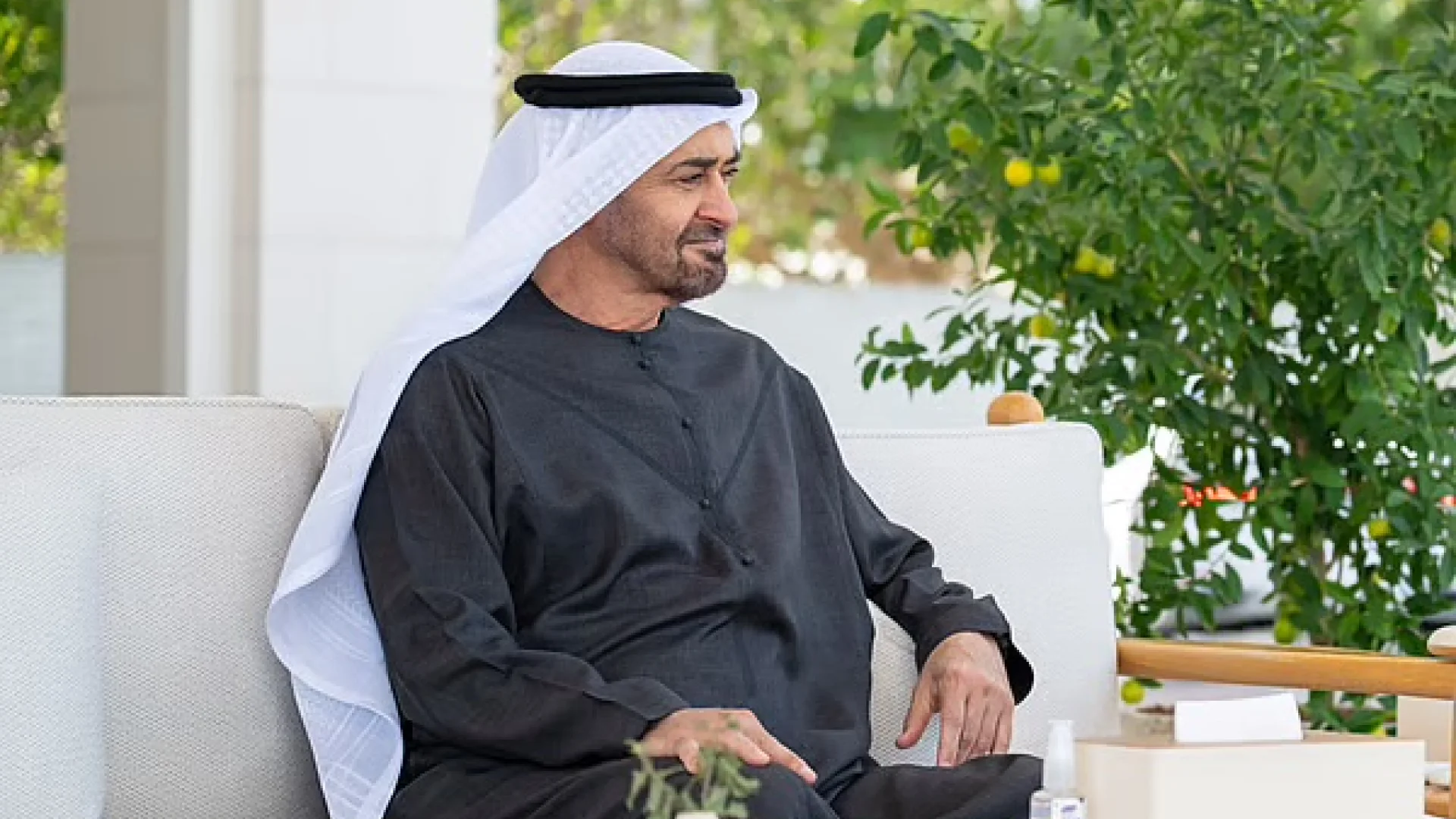

On Emirati Children’s Day, Sheikh Mohamed bin Zayed Al Nahyan renewed a simple, high-stakes promise: children’s safety comes first in the UAE. The message frames protection broadly—shielding children from harm while strengthening the conditions that help them thrive, from health and education to supportive families and communities. It’s a call aimed at everyone who shapes daily life: safeguarding children is a shared responsibility, and the future is measured in how secure and cared-for the youngest feel.
You notice it in the small things first. The way a school gate closes with a soft, certain click. The way a parent’s hand lingers at a child’s shoulder for half a second longer than necessary. The way a playground hushes, briefly, when a ball rolls too close to the curb. Safety isn’t a slogan in moments like these. It’s a texture. A feeling.
And on Emirati Children’s Day, Sheikh Mohamed bin Zayed Al Nahyan put that feeling into words: children’s safety—and their wellbeing—remain the UAE’s top priority. Not as a ceremonial line, but as a compass point. The kind that’s meant to guide decisions in classrooms and clinics, in policy meetings and neighbourhood routines, long after the day’s headlines move on.
It’s easy to imagine “safety” as a hard shell: rules, warnings, locks, barriers. But the emphasis in the UAE’s message is wider and more human. Protect children from harm, yes—but also build the conditions that let them grow steady and confident. Health. Education. A supportive environment. Families and communities that don’t leave children to figure things out alone.
In other words: safety isn’t only about what you prevent. It’s also about what you provide.
Picture a child on a weekday morning, uniform slightly crooked, backpack bumping against their spine as they hurry down the corridor. The child doesn’t know the language of policy. They don’t think in frameworks. They think in simple questions: Will someone help me if I’m scared? Will I be heard? Will I be okay here? When leadership talks about prioritising children, that’s the translation: make the answer “yes” more reliable, more visible, more automatic.
One of the strongest notes in Sheikh Mohamed’s statement is the idea of collective duty. Children’s protection can’t be outsourced to one agency or one profession. It’s a web. When one strand slackens, the whole thing sags.
You see that web in the quiet, often unseen moments: a teacher who notices a child’s sudden silence and doesn’t dismiss it as moodiness. A paediatric nurse who asks one extra question, gently, because something feels off. A neighbour who steps in when a toddler wanders too close to the lift. A father who decides to slow down—literally—because the residential road has become a shortcut for impatient drivers.
None of these moments make the news. But they are the news, really. They’re what a “top priority” looks like when it’s lived, not just stated.
There’s a reason the message pairs safety with wellbeing. A child can be physically protected and still feel unsafe. A child can be surrounded by rules and still feel unseen. Wellbeing fills the gaps that locks and alarms can’t reach: emotional security, dignity, stability, a sense of belonging.
On a day dedicated to Emirati children, the emphasis is also a reminder that childhood isn’t a waiting room for adulthood. It’s a full, real phase of life, deserving of care in its own right. The UAE’s framing points toward an ecosystem—health and education services, family support, community awareness—designed to keep children not only out of danger, but within reach of opportunity.
When that ecosystem works, you can feel it. You see it in confident questions raised in class. In children who try again after failing. In teenagers who know where to go for help without shame. In parents who aren’t forced to choose between work and a safe routine for their kids.
The UAE often speaks the language of the future—innovation, growth, ambition. On Emirati Children’s Day, the future is brought down to child-height. It’s not a skyline. It’s a school hallway. Not a strategy deck. A bedtime routine. Not an abstract promise. A practical one: that a child can move through their day protected, supported, and respected.
Maybe that’s why the message resonates. Because it asks a direct question of every adult in the room, wherever that room is: What did you do today that made a child safer? The answer doesn’t have to be dramatic. It just has to be real.
For homebuyers, tenants and investors, child-focused safety and wellbeing policies translate into tangible location value. Family-friendly districts—especially those with strong community management and access to schools and healthcare—tend to attract stable, long-term tenants and resilient demand. When assessing residential assets in Abu Dhabi or Dubai, look for indicators that align with a “children-first” environment:
These features often support occupancy, reduce churn, and can strengthen long-term value—particularly in master-planned communities where safety standards and amenities are consistently maintained.