
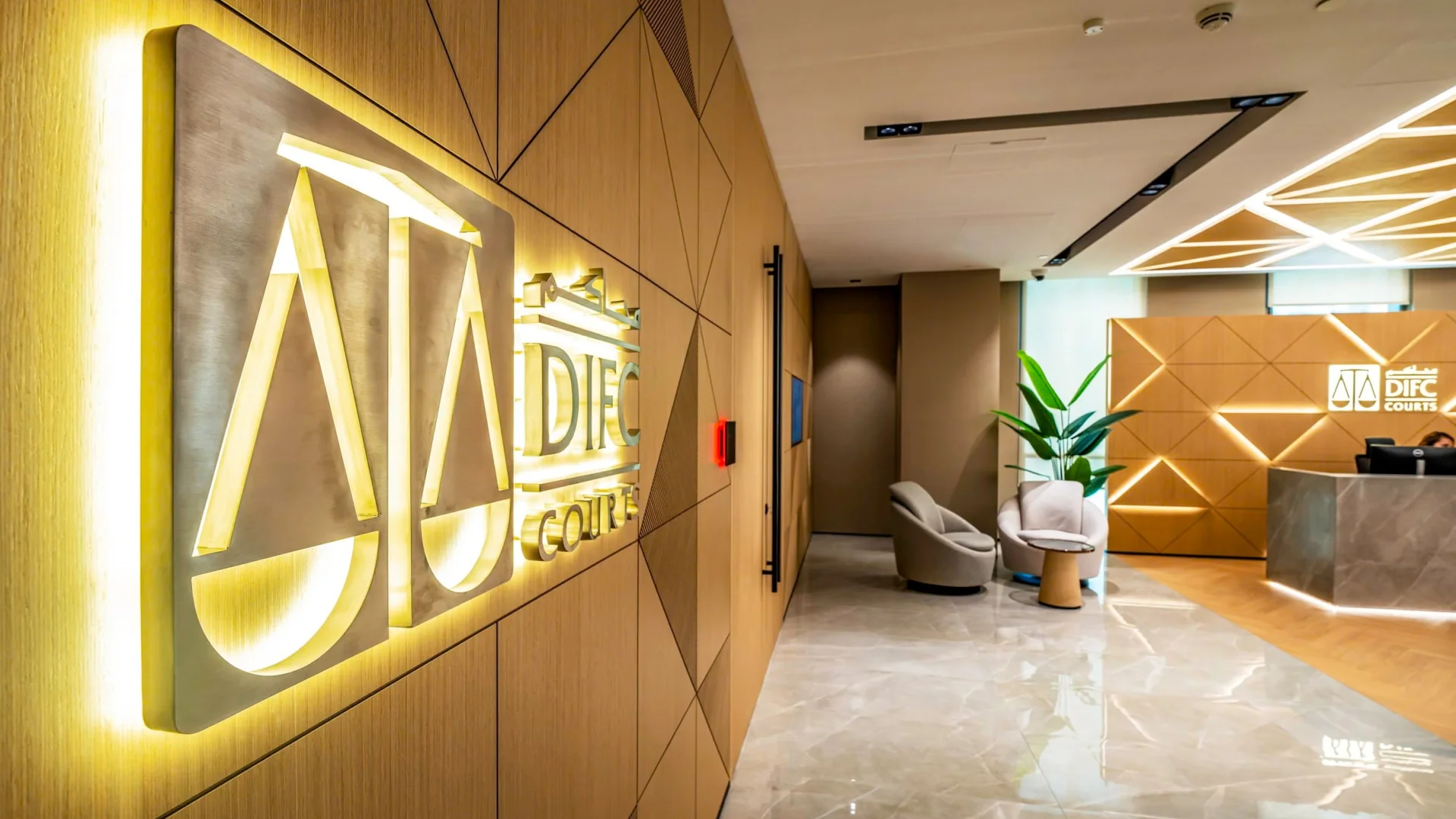

A courtroom that speaks to the world: in the first half of 2026, the Dubai International Financial Centre (DIFC) Courts welcomed parties from the UAE and 22 other jurisdictions, according to Dubai Media Office. The international spread underlines confidence in the English‑language, common‑law system, its digital case management, and hybrid hearings that keep business moving across time zones. Cases flowed in from banking, trade, construction, technology, and more—often with cross‑border contracts and enforcement top of mind. For companies operating regionally and globally, this is the signal: Dubai’s justice infrastructure is open, connected and ready for complex commercial disputes.
The morning light cuts across Gate Avenue like a ruler. Coffee cups steam in the plaza, the city hums, and inside a glass‑lined courtroom, a big screen blinks to life. Little squares of faces pop up—London in a blazer, Mumbai in a crisp white shirt, Nairobi with earbuds, Abu Dhabi with files fanned across a desk. Someone leans into a mic. “We’re live,” a clerk whispers. You can almost feel the hum of cables running under the floor, joining four time zones in one room.
This is what justice looks like in Dubai in 2026: fast, precise, and international. In the first half of the year, parties from the UAE and 22 other jurisdictions chose the DIFC Courts to resolve their disputes. It’s not a coincidence; it’s design. A common‑law court, operating in English, nestled inside a civil‑law country—and built to serve cross‑border commerce. The promise is simple: clear procedure, predictable enforcement routes, and hearings that fit the rhythm of global business.
The headlines say reach; the subtext says trust. The DIFC Courts’ digital backbone and hybrid hearing model make geography less relevant and timelines more realistic. Lawyers dial in from boardrooms. CEOs join for twenty focused minutes between flights. Expert witnesses scroll through exhibits that load instantly on a shared screen. Lean, paper‑light, and engineered for commercial pace.
Under that surface, a familiar stack of divisions does the heavy lifting. The Court of First Instance for heavyweight commercial disputes and complex contracts. A Court of Appeal that speaks in the cool, precise grammar of common law. A Small Claims Tribunal for the fast, low‑value issues that still matter to cash flow and relationships. A technology and construction focus where blueprints, code repositories, and change orders become evidence. From bank guarantees to software delivery timelines, the cases trace the lines where business friction sparks.
“Can you hear me?” someone asks, and a light flicks green. Counsel folds a page and steps forward. “Your Honour, the clause is unambiguous.” On another screen, a project manager scrolls to a digital annex: dates, milestones, a photo of scaffolding against a camel‑colored sky. The judge nods, asks for a pinpoint reference, and the citation appears in blue. It feels less like theater, more like surgery. Short sentences. Clean cuts. Facts lined up on a sterile tray.
By lunch, one hearing has closed, another begins. It’s the advantage of time‑boxed sessions and crisp directions: participants know exactly what today is for. No shuffling, no paper avalanches. The court’s language is English, but its accent is international. The vocabulary is contracts, risk, and remedy.
So why do parties from 22 jurisdictions—plus the UAE—show up here in H1 2026? Because contracts crave certainty. Because when deals cross borders, you need a forum that travels well. The DIFC Courts are anchored in an ecosystem designed for that reality: clear rules, modern procedures, and well‑worn pathways for recognizing and enforcing judgments. They sit within a city that has made connectivity its brand—from airlines to fiber optics to finance—so due process can keep up with trade flows.
Enforcement remains the quiet hero in this story. Businesses don’t just want the right answer; they want the answer to mean something on the ground. Over the years, the DIFC Courts have mapped out practical routes to make judgments bite—whether through cooperation with onshore courts or through international recognition in key markets. Add to that the comfort of English‑language reasoning and a body of precedent that helps counsel gauge risk in advance.
Walk the hallways and you hear a familiar chorus: unpaid invoices from cross‑border supply chains; shareholder fallouts in fast‑growing ventures; construction delays written in the language of cranes and concrete; software projects where sprints slipped and code didn’t ship; insurance coverage turning on a clause that seemed harmless at signing. Maritime, banking, professional services, tech, and real estate all tread onto the docket. The court’s specialty divisions keep the files tight and the focus sharp.
It’s not just process; it’s tempo. Timetables are set early. Directions are firm but pragmatic. Hybrid access is a default, not an exception, so witnesses fly less and say more. Written judgments read like clean architecture: facts, issues, analysis, order. For in‑house counsel managing portfolios of disputes across the world, this kind of predictability reduces the fog. It lets boardrooms see around the next corner.
This international mix in H1 2026 sends a practical message: if your contracts run through Dubai, your disputes can run through a forum that understands cross‑border life. That makes negotiations calmer. It makes pricing risk more rational. And it gives counterparties from very different legal traditions a shared playbook if things go sideways.
There’s also a cultural effect. A court that routinely sees parties from more than twenty jurisdictions learns to listen for the signal beneath all the noise of national habits. It speaks in reasons, not in reflexes. That tone filters outward—into how lawyers draft, how businesses plan, and how investors evaluate a city’s operating system.
“We saved three months just by going hybrid,” one counsel murmurs as a lift door closes. Down the hall, a project director rubs eyes and laughs: “I started at dawn in Nairobi; I’ll be home for dinner.” A judge steps out, files tucked under arm, and the hush returns. It feels less like a fortress, more like a node in a network—a place where disputes come in tense and leave ordered.
Zoom out, and the pattern aligns with Dubai’s wider push to be the Middle East’s most international marketplace. Justice is the invisible infrastructure of investment. When parties from 22 jurisdictions arrive in a single semester, it suggests more than efficient scheduling. It suggests a brand of reliability that’s hard to build and easy to lose. The DIFC Courts’ performance in H1 2026 reads like a vote of confidence from the people who count when deals wobble: the litigants.
Expect more fine‑tuning and specialization. Expect tech to keep shrinking the gap between evidence and understanding. Expect more cross‑border questions about data, AI contracts, and sustainability obligations to test the edges of familiar doctrines. And expect that, when the next multi‑jurisdictional dispute breaks, a calendar invite will appear—Dubai at the center, time zones around it like a compass rose.
For developers, fund managers, family offices, and corporate occupiers, the legal climate is not a side note—it’s due diligence line one. Property is a confidence business, and conflict is inevitable when money, land, and timelines meet. The DIFC Courts’ H1 2026 reach translates directly into a stronger backbone for the built environment.
Investors don’t demand perfection; they demand predictability. The DIFC Courts’ international docket in H1 2026 is a signal that, when issues arise on a tower, a mall, a logistics park, or a data center, there’s a venue built to resolve them with commercial rhythm. That stabilizes underwriting assumptions, narrows bid‑ask spreads, and gives lenders more comfort on exit scenarios.
Practical moves for real estate teams today: audit your dispute clauses across development, leasing, and vendor contracts; align them with enforcement realities where your counterparties hold assets; and build hybrid‑hearing readiness into your witness planning. In short: pour legal certainty into your concrete. The skyline—and your returns—will thank you.