
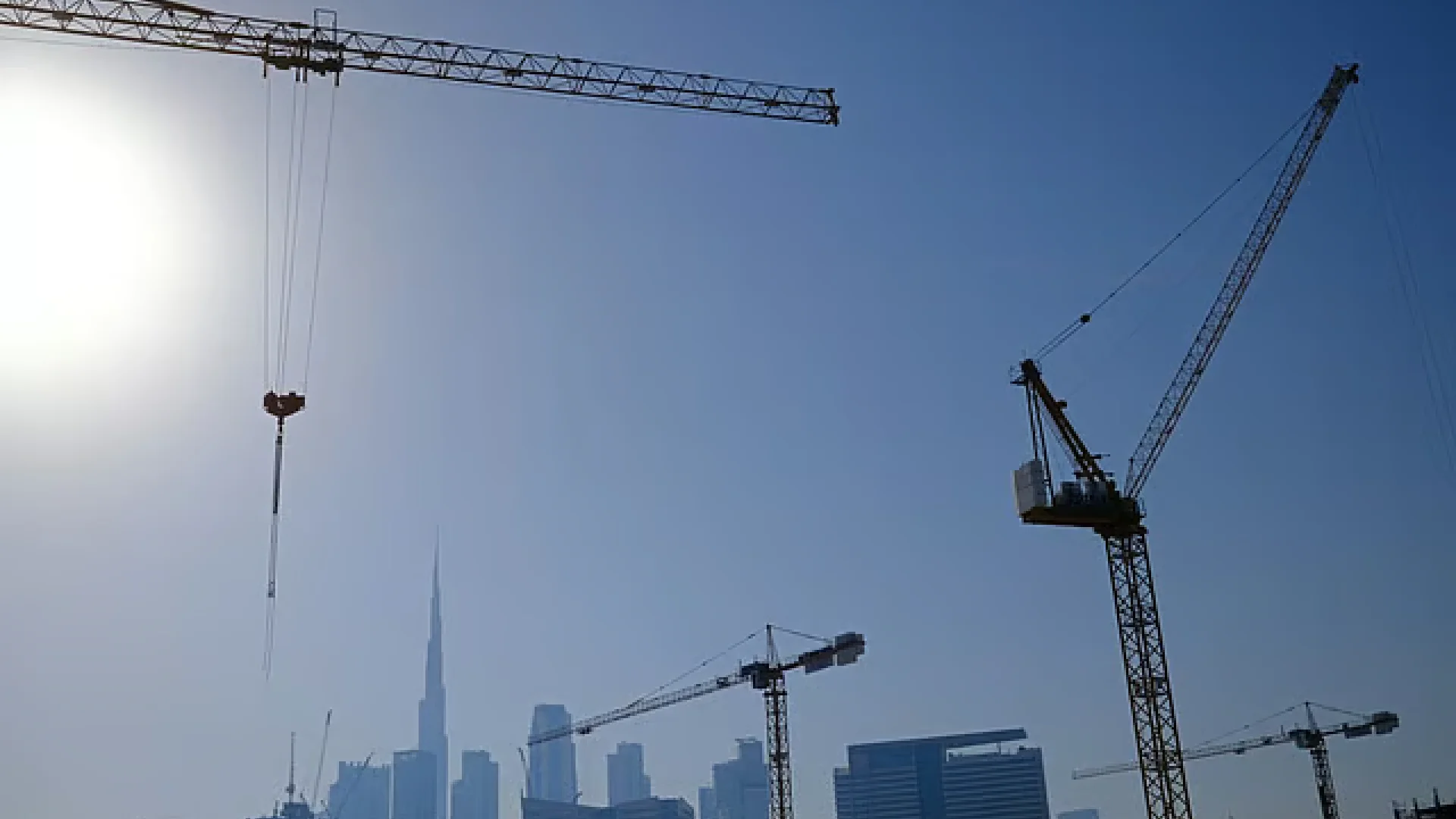

The pipeline is massive: about 96,585 new homes are scheduled to land in Dubai in 2026, and 83 percent of them are already taken. Off-plan culture has turned showrooms into front-row seats to the future—buyers commit long before keys exist. This changes the chessboard for renters, end-users, and investors: tighter immediate supply, heavy pre-commitment, and a wave of handovers on the horizon. What does this mean for prices, timelines, and the way the city grows?
The sticker snaps down on the floor plan with a soft pop. "Sold." The adviser smiles, pen in hand, as late sun flickers off cranes outside the glass. The showroom smells like fresh plywood and espresso. A couple leans over a scale model, the woman tracing a tower with her finger. "Do we still get sunset views here?" she asks. "Not in this stack," the adviser answers, tapping a tablet. "But the sister tower has a match. Handover: 2026."
This is how Dubai sells tomorrow—while today is still concrete and scaffolding. In 2026, roughly 96,585 homes are set to arrive. On paper, that’s a supply wave. In reality, 83 percent have already been claimed. Pre-sold. A city moving at fast-forward speed has turned commitments into a kind of currency.
Why so much, so soon? Off-plan is more than a sales channel here; it’s a living culture. Flexible payment plans. Tight, efficient layouts. Big-brand names across glass facades. And the promise that, by 2026, you’ll open the door to a home built to the latest standards. Buyers come from down the street and from faraway time zones. Young families, digital professionals, returning residents, long-term investors—they all park dreams and capital in floor plates and timelines.
The tempo inside sales centers is brisk. "Two units left on this floor," someone calls. A tablet dings. An overseas buyer beams in via video, the 3D model spinning on his phone. He asks, "How secure is the schedule?" The adviser replies, "On track for 2026." Behind her, a dashboard pulses: reserved, sold, optioned. Red outnumbers green by a lot.
Step outside and you feel the hum of momentum. Truck tires whirr over steel plates. A site supervisor whistles and waves. The crane purrs as it slews another load of rebar into place. The street is dusty, but the renderings on the hoarding sparkle—lakeside promenades, shaded courtyards, clean-lined lobbies. In brochures, sunlight pours through double-height glass; in real life, workers in high-vis vests move like clockwork. It’s that bridge between a plan and a place that Dubai builds better than most. And most of it is sold before the bridge is complete.
For the market, two truths collide. First: the 2026 pipeline is heavily spoken for. If you want a handover in two years, you’ll need to move early—or pivot. Second: those handovers could, if delivered on schedule, add breathing room to parts of the rental market. But make no mistake: the best-located, best-managed stock will remain competitive. Smart one-bedders, family-sized two-bedders, and amenity-rich mid-rise homes near transit will still see lines at the door.
How reliable are timelines? More than in the past, thanks to stricter project oversight, milestone-linked payments, and better transparency tools. That doesn’t erase construction risk; it makes it knowable. Sensible buyers study developer track records, site progress, and specifications as close as they study glossy renders. They plan for handover buffers and budget for fees that arrive with the keys.
In a site office, a project manager taps a laminated calendar crowded with colored blocks. "We don’t only build square meters," he says, grinning. "We build days." His crew moves through a choreography of pours, cures, lifts, and inspections. 2026 isn’t far. Each week matters. Each inspection stamp is one step closer from promise to possession.
The human side is simple and powerful. In a café near a sales lounge, a young mother shows her child a brochure. "Here’s the pool," she says. The child’s eyes widen. The father leans in: "What about post-handover payments?" The adviser nods: "Fixed, transparent." A tiny family drama of numbers and hope plays out over iced lattes.
For renters, the pre-sold surge means today’s move-in-ready choices are thinner, while the 2026 horizon could widen options—depending on how many units go to end-users versus the leasing market. For investors, the choice is between locking in well-sited stock now, or staking out selective opportunities around handover when actual finishes and views replace promises.
Drive across the city and you can read the next chapter in steel and sky. New corridors knit into the map. Established communities densify. Schools and parks follow the cranes. These 96,585 homes are not just numbers; they’re morning commutes, grocery runs, bedtime stories. And with 83 percent already spoken for, they’re also a lesson: in Dubai, the future doesn’t wait for keys to change hands.