
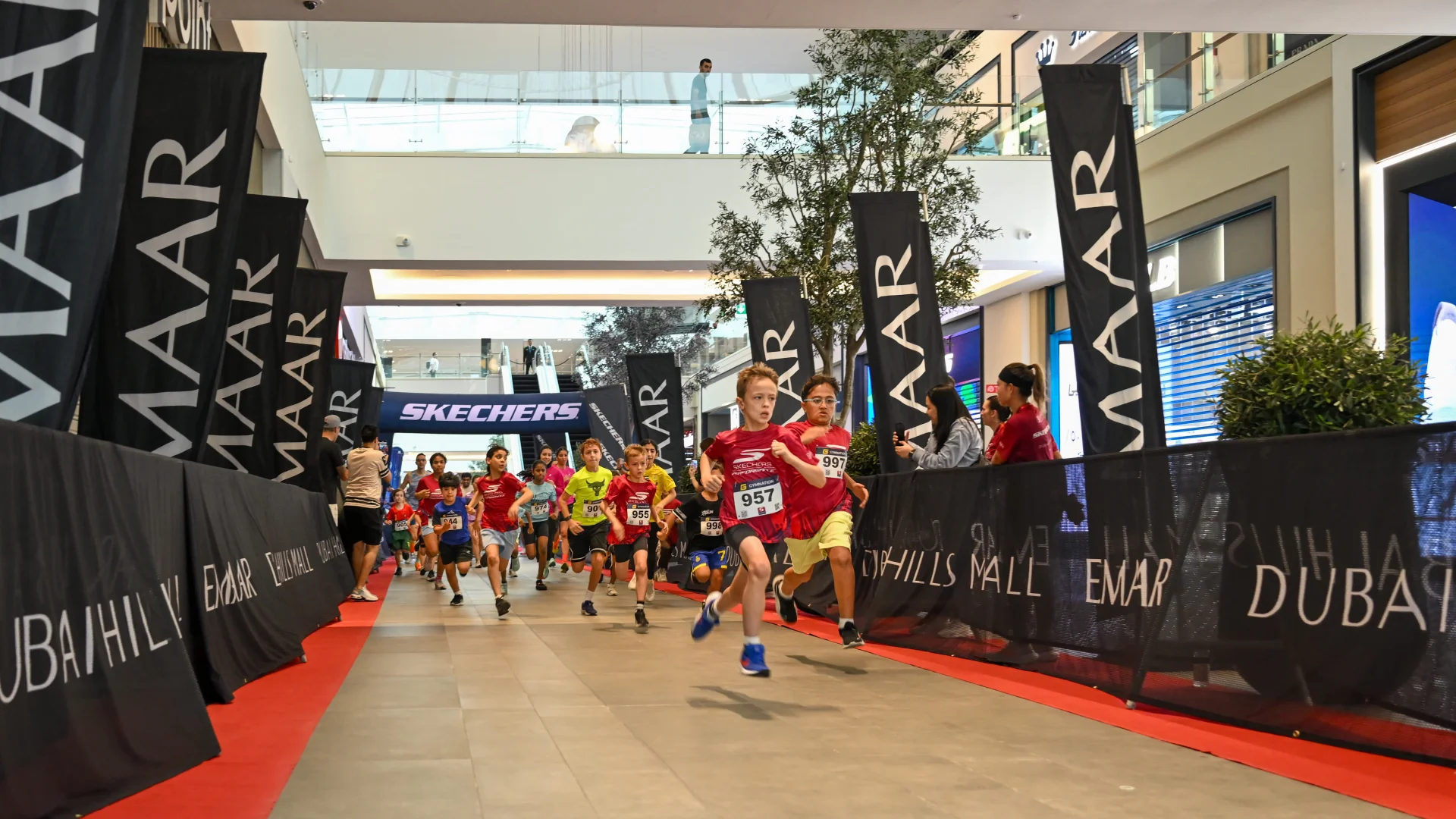
Dubai isn’t letting the thermometer dictate its rhythm: the Dubai Sports Council has launched “Active Summer,” an initiative designed to keep residents moving through the hottest months with a packed schedule of accessible, air-conditioned sports and community programming. The concept brings together clubs, venues, and activities across the emirate, offering options for kids, families, beginners, and committed athletes alike. It’s a practical answer to summer slowdown—and a vivid reminder that in Dubai, the season doesn’t pause, it adapts.
The heat outside is the kind that makes the air look solid—like you could lean on it. But inside, the doors seal shut with a soft thud, and the world turns crisp again. Sneakers squeak. A ball hits the floor—pop, pop. Someone laughs too loudly, the way people do when they’re trying to convince themselves they’ve still got energy after work.
“One more round,” a coach calls, not asking, simply stating a fact. A man beside me wipes his forehead and mutters, “In June? We’re doing this in June?” His friend grins. “That’s the point.”
This is the scene Dubai wants to multiply across the city this summer. Not grandstands and fireworks—just real movement, real routines, real people choosing effort over excuses.
The Dubai Sports Council has launched “Active Summer”, a citywide initiative aimed at keeping Dubai active through the hottest stretch of the year. When outdoor running tracks and weekend pitches start to feel like frying pans, Dubai shifts the game indoors—into air-conditioned halls, training centers, clubs, and multipurpose venues.
The idea is simple: make activity visible, reachable, and normal in a season when motivation often melts faster than ice in the parking lot. “Active Summer” brings together a broad calendar of sports and community programs across the emirate, designed to serve different ages, abilities, and lifestyles.
What stands out in the way “Active Summer” is framed is its openness. This isn’t a campaign aimed only at high-performance sport. It’s a wide invitation—especially to the people who always mean to start “after summer.”
You can feel that inclusivity in the atmosphere at indoor venues: a teenager practicing footwork like it’s a dance routine; a mother glancing at the clock, squeezing a session between school pickup and dinner; a group of colleagues who promised each other they’d do something healthier than another café meet-up.
Summer in Dubai is famous for its intensity, but also for what it can do to routines. Travel plans, school holidays, altered work hours—life becomes a different shape. Fitness can slip from the calendar, not because people don’t care, but because the friction grows: it’s hot, it’s late, it’s complicated.
“Active Summer” tries to remove that friction. It’s a structural response to a seasonal problem: don’t ask people to be heroic—make it easier to show up.
In one sports hall, I watch a father tie his son’s laces while the child wiggles impatiently. “Not too tight,” the boy warns. The father loosens the knot, then taps his shoulder. The kid sprints off toward a cluster of teammates calling his name. The father doesn’t scroll. He watches. For a minute, the city’s summer feels less like survival and more like a plan.
It’s tempting to see a seasonal sports initiative as a nice-to-have. But in fast-growing cities, everyday wellness isn’t decoration—it’s infrastructure. Sport supports physical health, mental resilience, and social connection. It gives teenagers a place to belong, adults a way to decompress, families a shared language.
Dubai’s approach is also telling: rather than treating summer as a dead zone, the emirate is building a year-round lifestyle model. Indoor programming, coordinated schedules, and accessible venues help make the city feel “switch-on” even when the sun is relentless.
There’s also an economic hum beneath the surface. More activity means more footfall: coaches, facility operations, sports retail, healthy food counters in and around venues, transport patterns that stay alive in months when outdoor walking traffic drops. A city that keeps moving keeps spending—and keeps building habits that last beyond the season.
Dubai doesn’t do quiet very well. Even in summer, it prefers adaptation over pause. “Active Summer” captures that attitude in a grounded, practical way: by turning air-conditioned spaces into civic stages where people can keep their rhythm.
And when you step back outside—heat hitting your face like a flash—you realize the most surprising part isn’t that Dubai is offering programs. It’s that so many people actually show up. They adjust their day. They make room. They decide that the season won’t decide for them.
For real estate investors, “Active Summer” is a useful signal about how Dubai protects liveability year-round—and liveability increasingly translates into pricing power, tenant retention, and long-term demand. In a market where residents compare not just apartments but lifestyles, city-backed wellness programming strengthens the value proposition of neighborhoods that can deliver comfort, convenience, and community during the toughest months.
1) Amenities move from “nice” to “necessary”: Summer-focused activity pushes demand toward buildings and communities with robust indoor facilities—gyms, pools, multipurpose rooms, kids’ areas, and shaded/connected access to nearby venues. Assets with well-managed amenities can justify premium rents and reduce vacancy risk, especially among families and long-stay expats.
2) Micro-location advantages become sharper in summer: In cooler months, residents may travel for workouts; in peak heat, proximity matters more. Walkable or short-drive access to indoor sports hubs, clubs, and community centers becomes a differentiator. Investors should assess travel time, parking ease, and indoor connectivity (malls, community centers, mixed-use podiums) when underwriting rental appeal.
3) Mixed-use footfall resilience: Programs that draw repeated weekly visits support steady foot traffic for F&B and services—think physiotherapy, recovery studios, sports retail, and healthy concepts. Mixed-use developments near active venues can benefit from more consistent summer trading, strengthening commercial tenant performance and lease stability.
4) Capex opportunities in existing stock: For owners of older buildings, “Active Summer” underscores the ROI case for targeted upgrades: modern gym equipment, better ventilation, acoustic treatment, bookable studio spaces, family-friendly common areas, and partnerships with local trainers or clubs. These improvements can reposition assets without full redevelopment.
5) Talent magnet and long-term absorption: Cities that actively manage wellness and community experience are more attractive to skilled professionals and families. That supports longer average tenancies and steadier absorption in mid- to upper-mid residential segments—key for investors targeting predictable cash flow.
Bottom line: “Active Summer” isn’t just a calendar of workouts—it’s another layer in Dubai’s all-season lifestyle infrastructure. Investors who align portfolios with amenity-rich, well-connected, community-oriented locations are likely to benefit as demand increasingly follows the places where daily life feels easiest—even in July.