

Dubai is usually associated with penthouses, private beaches and record-breaking towers. Yet a UBS analysis places the city among the more affordable global markets for homebuyers when prices are measured against local incomes and housing costs. The finding offers a fresh perspective on Dubai’s booming property sector, while rising prices, rents and demand underline the need for careful research.
The evening light turns Dubai’s towers copper. Traffic rolls along Sheikh Zayed Road, construction cranes hover above new communities, and apartment hunters move between polished sales lounges. On the wall, a digital model shows a swimming pool, a balcony and a skyline view. Then comes the unexpected question: is Dubai actually affordable?
According to the UBS Global Real Estate Bubble Index, the answer is surprisingly positive in an international comparison. Dubai is ranked among the more affordable major cities for buying a home. That does not mean apartments are cheap. It means that, relative to incomes and housing costs, buyers may still find a more accessible market here than in several established global property capitals.
The distinction matters. A headline price tells only part of the story. UBS compares property values with local earnings and also considers indicators such as rental levels and financing pressure. The result is a broader view of how much effort households need to make to buy or occupy a home. In cities where prices have raced far ahead of wages, that gap becomes painfully visible. Dubai, despite its rapid growth, remains comparatively better positioned.
Dubai’s housing market has changed dramatically since the pandemic. International professionals, entrepreneurs, families and investors arrived in large numbers. Flexible residency options, economic growth, modern infrastructure and the city’s global connectivity all helped attract them. The result can be seen in every busy sales office and every newly occupied tower.
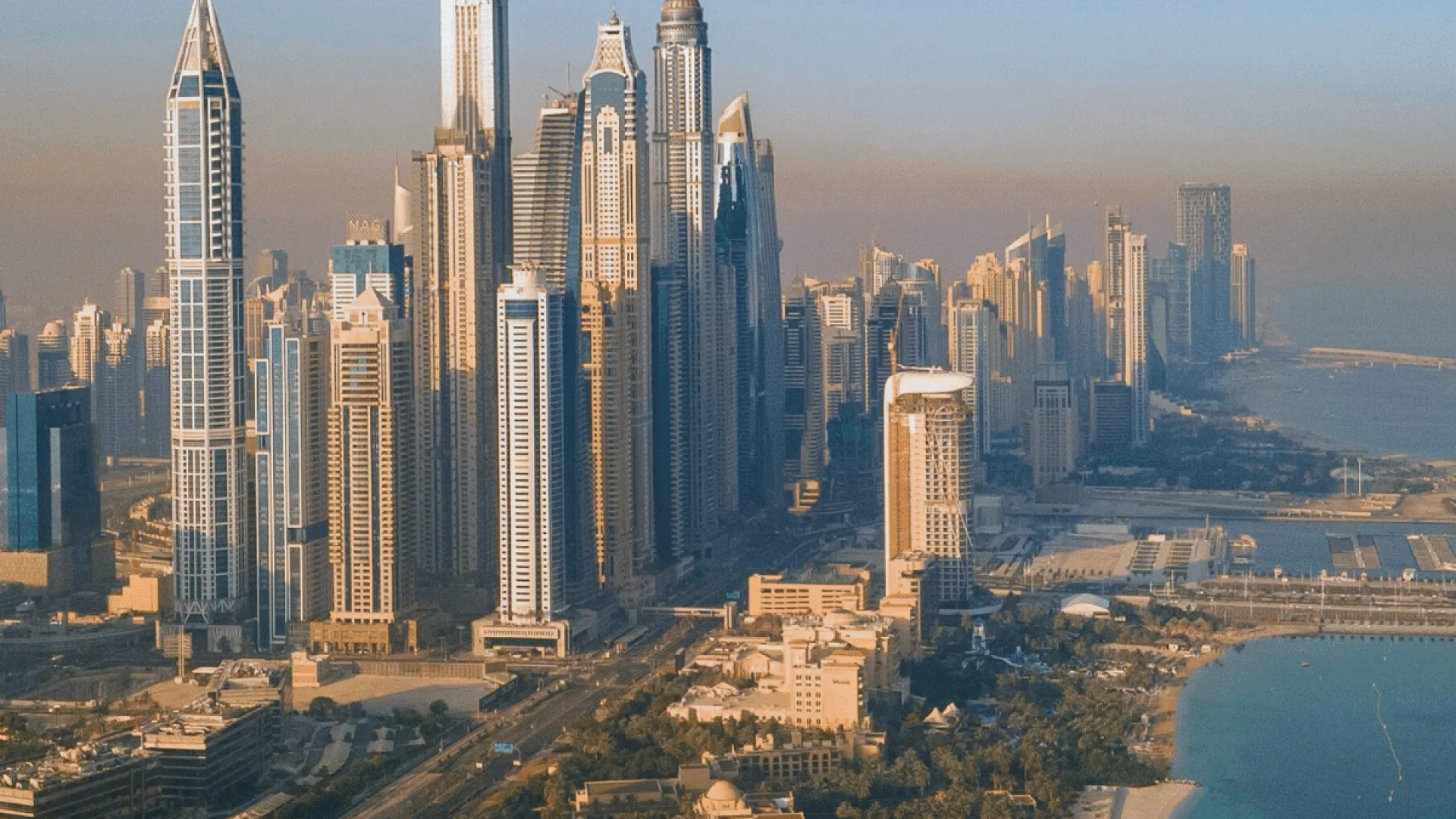
In Dubai Marina, balconies face the water and the skyline. In Downtown, cafés fill with residents before the workday begins. Dubai Hills Estate appeals to families looking for parks and schools. Jumeirah Village Circle offers a wider range of apartments, while new coastal and suburban developments continue to expand the map.
Prices and rents have risen strongly across many segments. Landlords have gained negotiating power in popular areas, and buyers now compete with people who postponed decisions during the pandemic. Yet the UBS comparison suggests that Dubai’s baseline remains relatively accessible when viewed against local economic conditions and against the much higher price-to-income ratios found in cities such as London, Hong Kong or Paris.
One reason Dubai can look attractive is the amount of space and amenity often included in the purchase. Modern buildings may offer pools, gyms, parking, security and shared lounges. New developments also give buyers more choice than older cities where limited land and tightly protected historic districts restrict supply.
But affordability should never be confused with a bargain. A waterfront apartment and a unit in an emerging inland district are entirely different investments. Service charges, maintenance, handover dates, developer quality and payment schedules can change the financial picture quickly. An attractive brochure is only the opening scene.
“What are the annual charges?” a buyer asks in a sales gallery. “And when exactly will the keys be handed over?” The agent turns to the next page. These are practical questions, but they often matter more than the rendered skyline. The real cost of a home is shaped by everything that happens after the reservation form is signed.
Dubai sells more than square metres. It sells convenience. The airport connects the city to major business centres, roads and public transport continue to improve, and residents find a wide range of schools, hospitals, restaurants and leisure facilities. For international households, the city can offer a combination of safety, services and career opportunity that is difficult to replicate elsewhere.
Buyer profiles are changing, too. The market is no longer driven only by short-term speculation or second homes. Many purchasers want a permanent base. They are looking for a home close to work, a reliable school run and a lifestyle that works every day, not just during a holiday.
This helps explain why Dubai can remain comparatively affordable in a global index while feeling expensive on the ground. Affordability depends on the relationship between income, space, services and lifestyle. UBS provides a useful international benchmark, but the final decision still depends on the individual property and the buyer’s finances.
These checks are especially important in a fast-growing market. A new tower is not automatically a strong investment. A lower entry price may be offset by weaker transport links, high operating costs or intense competition from neighbouring projects.
Dubai remains compelling for investors because it combines international demand, population growth and a broad pipeline of new housing. Well-connected properties in established or clearly developing communities may benefit from durable rental demand. Still, returns vary widely according to location, unit size, occupancy, operating expenses and the quality of management.
The most resilient strategy is rarely chasing the next record. It is identifying the places where people genuinely want to live: near transport, schools, employment centres, parks and daily services. Investors should also allow for market cycles. Dubai has experienced powerful growth, but property markets do not move in a straight line.
The city’s real surprise is therefore not that homes can be inexpensive. They are not. It is that, between the desert and the towers, Dubai still offers a comparatively accessible route into ownership when measured against other global capitals. The opportunity is real, but so is the need for discipline. Buyers who look beyond the balcony view may find a market with room to grow – and plenty of detail to get right.