
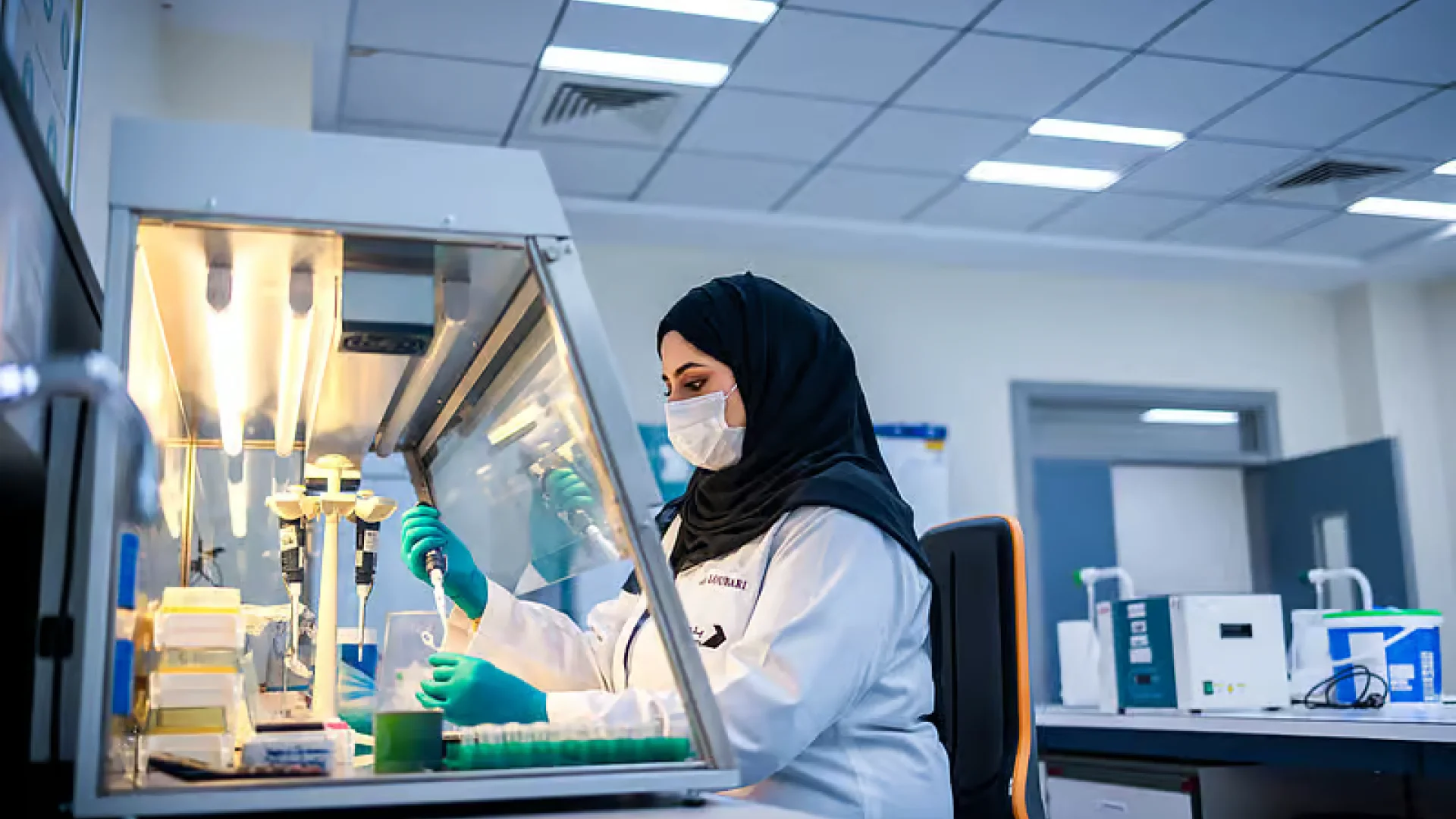

A glass of water can look perfectly innocent—and still carry clues only data can catch. Dubai Municipality is expanding home water testing and using AI-driven analysis to detect patterns, flag irregular results early, and guide faster, more targeted follow-ups. The approach shifts water safety from reactive complaints to preventive monitoring, connecting what happens at the tap with citywide insight. In a high-rise, tank-dependent city, that last stretch between building systems and the kitchen sink is exactly where smart oversight matters most.
The first pour is always the same. A quick rush. A soft, hollow gulp in the pipes. Then the steady stream—clear as glass, cool against the heat outside, perfectly ordinary.
In Dubai, “ordinary” can be deceptive. Not because the water is presumed unsafe, but because the journey from municipal supply to a kitchen faucet is long and full of real-world variables: rooftop tanks, booster pumps, aging fittings, newly installed filters that work wonders… and old ones that quietly don’t.
That’s where Dubai Municipality is aiming its newest spotlight: home water testing supported by artificial intelligence. The idea is simple enough to explain at a dinner table—test water from households, analyze results—but the impact is bigger than a lab report. With AI helping interpret data at scale, the city can spot unusual patterns sooner, prioritize inspections, and reinforce preventive public health before minor issues become noisy problems.
Dubai is vertical. Water doesn’t just travel underground; it climbs. It rises through towers, pauses in tanks, gets pushed again by pumps, and finally arrives where life happens: the bathroom sink where you rinse your toothbrush, the kitchen tap where you fill a pot, the glass you hand to a child without a second thought.
And that “last mile”—the part inside and on top of buildings—is where differences can emerge. One building’s tank is cleaned on schedule. Another’s maintenance slips by a few months. In one apartment, a rarely used guest bathroom sits stagnant for days. In another, a family of five keeps water moving constantly. The municipal network can be strong and well managed, and still the building systems matter.
Dubai Municipality’s move toward AI-enabled home testing acknowledges that reality. It treats household water quality as something you can observe, measure, and improve—systematically, not only when someone complains about taste or odor.
Think of a traditional test as a snapshot. It tells you what the values were at a specific time. Useful—yet limited. AI turns many snapshots into a movie.
With enough results over time, patterns begin to show themselves: recurring anomalies in a particular area, sudden shifts linked to a maintenance cycle, a cluster of readings that look slightly “off” in similar building types. AI doesn’t replace laboratory science; it adds a layer of learning and correlation that helps teams decide where to look first and what to investigate deeper.
It’s the difference between a single note and a melody. One value might not raise eyebrows. A combination, repeated, in context—now that’s a message.
In practice, the program revolves around collecting and analyzing household samples and using digital tools to interpret them at scale. When results suggest an irregularity, follow-up can be more targeted—focused on the buildings, systems, or zones that data indicates may need attention.
It’s not hard to imagine the small domestic moments this touches. A resident pauses mid-fill, sniffing the air above the glass. “Do you taste that?” someone asks. Another shrugs. “Maybe the filter.” The conversation ends, life goes on—but the question lingers. Programs like this are designed to replace lingering questions with measurable certainty.
Home water quality testing often looks at a mix of indicators that can point to hygiene, system upkeep, and physical-chemical changes that may happen within building infrastructure. The power of an AI-supported approach is that it can interpret these indicators together, across time and across locations.
In other words: it’s not just “pass or fail.” It’s a health profile of the building-water relationship.
Public health is often most successful when it feels invisible. When there’s no crisis, no headline, no reason to worry—because the system quietly prevented trouble in the first place.
By applying AI to home water testing, Dubai Municipality is leaning into that philosophy. Instead of waiting for a spike in complaints or a visible issue, it can watch for early signals, cross-reference them, and act sooner. That means faster prioritization, better allocation of inspection resources, and a stronger feedback loop between what’s happening in homes and what the city can do about it.
Outside, the sun presses hard on the streets. Inside, the faucet runs. The water looks the same as always—clear, calm, uneventful. But behind the scenes, it’s becoming one of the city’s most closely read stories.
For owners, developers, and investors, water quality is more than a utility line item—it’s part of a building’s reputation and risk profile. AI-enabled monitoring and more systematic testing raise the bar for building operations, and that can influence tenant confidence, asset value, and long-term maintenance planning.
The takeaway is practical: in Dubai’s high-rise ecosystem, the municipal supply is only half the story. The other half is building-level infrastructure—tanks, pumps, pipes, and the maintenance culture behind them. As city oversight becomes more data-informed, professionally managed buildings stand to gain a real competitive edge.