
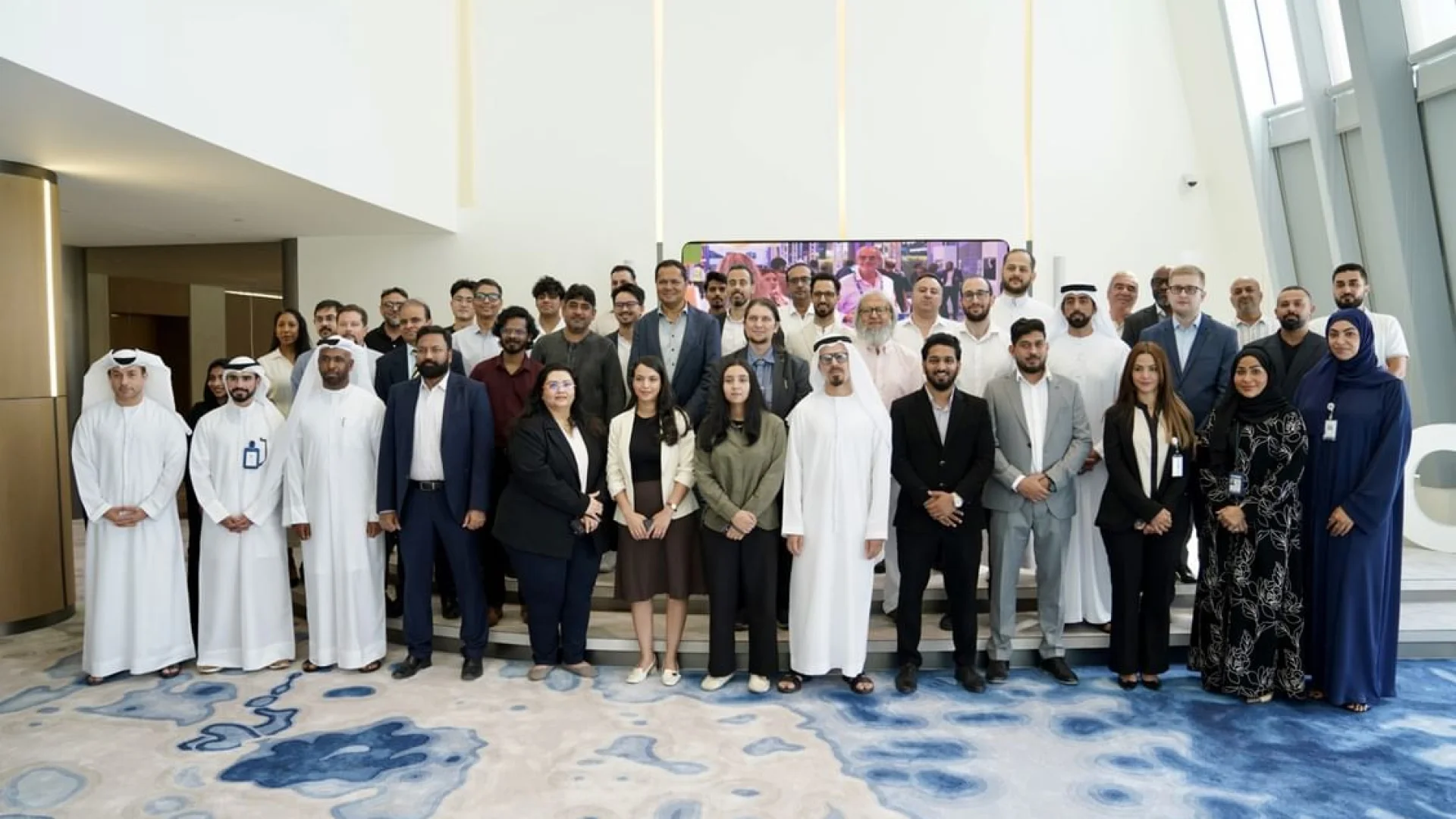

Under bright expo lights, Dubai Customs laid out how borders can feel today: digital, predictable, fast. On display was a full toolbox for the business community—end‑to‑end smart clearance, risk‑based inspections, AEO benefits, and cross‑border e‑commerce facilitation. The aim is fewer minutes per shipment, less paper, lower costs—and more certainty and competitiveness for companies of all sizes. At the core: close public‑private collaboration, practical guidance, and a 24/7 service promise.
A scanner chirps. A glance at a tablet. “You’re cleared.” The freight agent exhales, pockets the phone, and nudges a crate off the trolley. No sweat, no paper snowstorm. That’s the everyday rhythm at Dubai’s borders when Dubai Customs runs the script.
At a bustling industry forum in the city, the authority showed how it shepherds businesses through the maze—fast, transparent, and partner‑minded. There are no grand speeches, only quick, reassuring lines: “Pre‑file if you like.” “Log in, upload, done.” “We open only on risk.” It reads like a scene from logistics’ future—except it’s already happening.
Digital channels do the heavy lifting. Most interactions now run through smart portals and apps, from filing a declaration to making a payment. An intelligent risk engine decides which shipments take the green channel and which deserve a closer look. The result: fewer bottlenecks at the gate, more time in warehouses and on the road—where value is created.
But there’s more here than algorithms. Behind each screen is a team that speaks to the market directly. A consultative council, regular sector roundtables, and thematic working groups give freight forwarders, importers, e‑tailers, and manufacturers a say. The setup feels personal: short lines, named account managers, callbacks that actually arrive.
One trader shares his turning point. “I used to photocopy, stamp, and file. Now I upload, link, confirm. And the decision? Sometimes it pops before I can tell the warehouse.” Programs give this ease a backbone: Authorised Economic Operator (AEO) status for trusted firms, with priority lanes and fewer inspections; cross‑border e‑commerce facilitation so small parcels don’t cause big headaches; service centers that don’t just close tickets, but open relationships.
On stage, the pillars line up like tools in a kit: crisp procedures; risk‑led, not routine‑led, checks; transparency in tariffing and valuation; and learning opportunities from webinars to hands‑on yard sessions. The message: compliance isn’t a hurdle but a competitive edge—if you have clarity and the right tools.
What do companies tangibly gain? A series of small accelerators that add up to a big difference:
The big words—time and cost—suddenly get faces. A customs officer who prefers data over stamps. A driver whose engine never cools. A CFO who replaces fee fog with a forecastable line. And a compliance lead who knows: the cleaner you trade, the quicker you pass.
Security stays non‑negotiable. Counterfeits, prohibited goods, hazardous cargo—they’re part of border reality. That’s why Dubai Customs leans on smart filters instead of blanket slowdowns. Checks happen where they’re needed, not where tradition says they should. Consumers and brands are protected, while legal trade keeps its pace.
Sustainability threads through the story too: less paper, fewer idle miles, better‑planned routes. Efficiency doubles as climate action—practical, unpretentious. “Less waiting is fewer emissions,” someone quips from the audience. Nods around the room.
Why it matters now: supply chains are tighter than a few years ago—detours, volatile rates, e‑commerce spikes. In that world, a customs administration that fuses speed with security is a competitive moat. For Dubai, it’s not window dressing; it’s growth policy calibrated to ports, warehouses, and runways.
When the lights dim on the presentation, one sound remains: that bright little “ping!” on a phone when a shipment gets the green light. It’s a small noise. For a growing business, it’s a big deal.
When border formalities move at minutes‑speed, the bottleneck shifts. The gate no longer dictates the day; space does. Where do you unload, pick, and consolidate? That question ricochets straight into Dubai’s property markets—logistics, light‑industrial, and the offices that power trade, freight, and tech.
For investors, proximity is king. Zones around Jebel Ali, Dubai South, and the major trade corridors keep pulling gravity. Grade‑A warehouses—with clear heights, efficient sprinklers, dock‑high loading, and PV‑ready roofs—are the stage where fast customs translate into fast turnarounds. Build flexible modules, mezzanine offices, and temperature‑controlled bays and you’re speaking the language of modern supply chains.
On the office side, demand grows in niches: trade‑compliance teams, digitized forwarders, freight platforms, and fintech. Flexible floorplates, collaboration zones, and resilient connectivity check boxes on every shortlist.
Residential follows the pulse too. Logistics creates jobs—from warehouse operatives to data analysts. Microlocations that balance corridor access with quiet, well‑cooled homes matter. Developers who deliver serviced apartments, co‑living, or smart staff‑housing capture early share.
Risks? Regulatory evolution, capex for automation, talent shortages. Upsides? Long leases with logistics‑grade tenants, ESG premia from energy‑efficient sheds, and demand resilience from e‑commerce. Due‑diligence must‑haves: access and turning radii, power and fiber reserves, floor loading and clear height, dock counts—and a view on Dubai Customs programs. Where the green channel shines reliably, utilization climbs. So does value.