
Beyond the headlines of regional tension, Dubai’s day-to-day economy hums with a stubborn, almost cinematic normality: cranes swing, flights fill, deals close over coffee in glassy towers. The emirate continues to post growth driven by diversified engines—logistics and re-exports, tourism and events, financial services, and a property market fed by global capital and in-migration. Businesses point to fast-moving regulation, world-class infrastructure and a deepening talent pool as shock absorbers when geopolitics turns noisy. Dubai isn’t untouched by conflict, but its model is built to keep moving—routes rerouted, demand redirected, and confidence kept alive.
The heat lingers after sunset on Sheikh Zayed Road, like the city is still holding its breath from the day. Towers glow from within. Headlights stitch bright lines across the asphalt. In the back seat of a taxi, I watch a motorbike slip between lanes and vanish into the neon.
The driver taps his screen, then nods at the traffic ahead. “Busy,” he says. “Always busy.”
“Even with everything going on?” I ask—meaning the region, the alerts, the anxious maps on evening news.
He gives me a quick look in the mirror. Not dismissive. Just practical. “Here, people work. People come. People buy. Life continues.”
That’s Dubai’s most telling economic indicator: the insistence of ordinary motion. The city doesn’t pretend geopolitics is background noise. It simply operates as if the machinery must keep turning—because it has engineered itself to do exactly that. Diversification isn’t a slogan here; it’s a survival design.
If you want to understand why Dubai’s economy keeps pushing ahead during regional conflict, go to the places where the city touches the world. Not the postcard spots—the interfaces. The port. The airport. The free zones. The corridors of customs, cargo, and contracts.
In Jebel Ali, cranes loom like patient giraffes over stacks of containers. Steel groans. Warning beeps puncture the air. It’s not romantic, but it is revealing: logistics is Dubai’s heartbeat, and it beats in steady rhythm even when the neighbourhood feels shaky.
Conflict tends to make supply chains skittish. Routes change. Insurance costs rise. Boards ask uncomfortable questions. Dubai’s advantage is that it’s not reliant on a single pathway. It is a network node—built to reroute. Re-exporting and distribution thrive when a city can move goods quickly, clear them efficiently, and send them onward with minimal friction. Dubai has spent years polishing those gears: infrastructure capacity, digitised procedures, and ecosystems in free zones that let companies plug in fast.
A logistics executive I meet in a glass meeting room describes it with the calm of someone who lives in contingency plans. “When one lane gets crowded,” he says, “you need three alternatives ready.” Dubai’s proposition is that those alternatives exist—geographically and administratively.
Later, downtown, the air smells of perfume and espresso. On terraces, you see families, couples, conference delegates, solo travellers scrolling through maps. You hear a braid of languages—Arabic and English, Hindi and French—and the soft percussion of rolling suitcases over stone.
Tourism in Dubai isn’t just leisure; it’s a revenue system with dozens of feeders. Hotels, restaurants, retail, ride-hailing, attractions, exhibitions—each one a thread. When regional tension rises, travel patterns can shift, but Dubai has repeatedly benefited from its positioning as a controlled, highly organised destination with a reputation for safety and service.
And it’s not only tourists. It’s the “half-residents”—people who arrive for a month, then extend. The founders testing a base. The remote workers doing a season in the sun. The families coming to visit relatives and quietly exploring schools. They pour spending into the city in a way that doesn’t always show up in a single headline, but it keeps tills ringing and occupancy healthy.
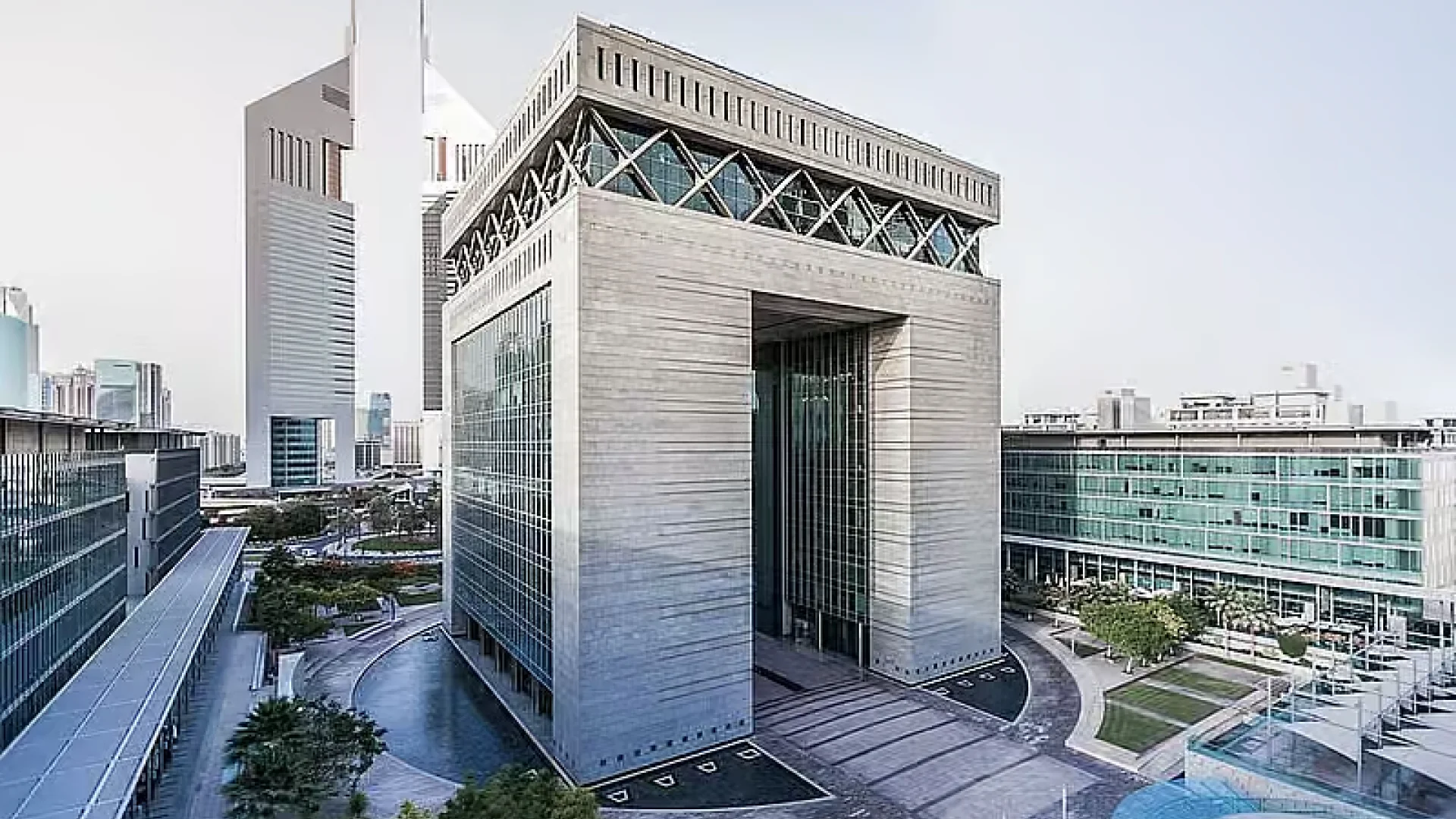
In DIFC, where the coffee is serious and the suits are sharply tailored, a familiar word floats between tables: confidence. In volatile periods, it’s the scarcest commodity—and the most valuable.
Dubai’s growth story continues because its economy is not hanging from one hook. Trade and logistics remain foundational. Services—finance, professional advisory, tech, hospitality—carry a big share of activity. Real estate plays a visible role, yes, but it is intertwined with population growth, business formation, and international mobility.
Companies and investors also point to the emirate’s speed. Regulatory updates arrive quickly. Processes are increasingly digital. Residency options have broadened over the years, making it easier for entrepreneurs, skilled professionals and high-net-worth individuals to anchor themselves in the city. These are the quiet, technical choices that become loud advantages when uncertainty rises elsewhere.
At the next table, a founder leans back, phone in hand, and says something that lands like a proverb. “If you wait for the world to be calm,” he says, “you’ll never build anything.” He laughs once, then adds: “Here, we build anyway.”
Walk along Dubai Creek in the evening and you’ll see the city’s ambition sketched in silhouettes—cranes like pencils against the sky. New neighbourhoods. New towers. New bridges and promenades. The kind of construction that feels less like maintenance and more like storytelling.
The property market remains a key channel through which global confidence flows into Dubai. Investors are drawn to the emirate’s international buyer base, established regulatory frameworks in designated ownership areas, and the sheer breadth of product—from branded residences and waterfront apartments to family villas and commercial space.
But the more interesting point is why the market stays active during regional strain: people keep arriving. Businesses keep setting up. Talent keeps relocating. Each arrival needs a bed, an office, a school run, a supermarket. The city’s population dynamics turn property from a speculative chart into a lived necessity.
In a sales gallery, a consultant slides a model across the table as if it were a jewel. Acrylic towers glow under spotlights. “This is the view,” she says, pointing to a rendering where the sunset never disappoints. On the other side of the glass, you can hear actual drilling from a nearby site—reality providing its own soundtrack.
Dubai is not immune to geopolitical shocks. It feels them through market sentiment, shipping costs, air routes, and consumer psychology. But it is structured to absorb them. The resilience is not magic; it’s architecture—economic and institutional.
Resilience, in other words, is a habit. It’s a city trained to reroute.
The next morning, in a hotel lobby, the economy speaks in small gestures. A concierge arranges a last-minute reservation. A family debates pool time versus mall time. A business traveller checks his watch, then takes a call in a low voice. Luggage wheels click across marble like a metronome.
Outside, sunlight sharpens the edges of the skyline. Dubai looks almost defiantly bright. And perhaps that’s the real message behind the numbers: this is a place built not for perfect weather, but for changing winds.
For real estate investors, Dubai’s ability to keep growing amid regional conflict matters less as a talking point and more as a practical signal: liquidity and demand can remain durable when the city continues to function as a safe, connected hub. The implications show up in strategy and underwriting.
The bottom line: Dubai’s macro resilience is supportive for property, but the strongest investments are where the city’s growth narrative meets fundamentals—location, product quality, and dependable demand drivers.