
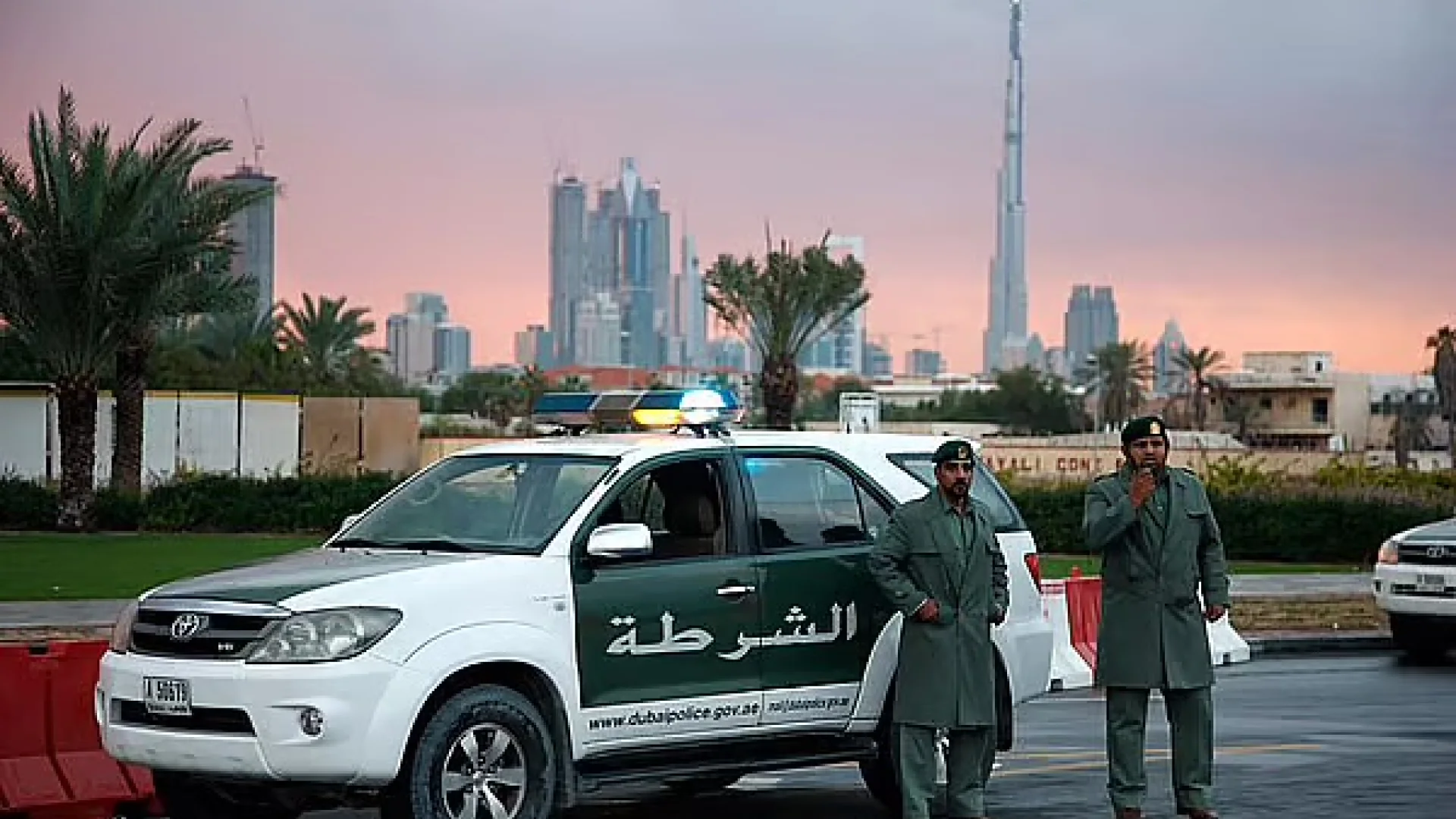

In Dubai, the city’s shine has a quieter twin: a constant ring in a control room where help is routed in seconds. Dubai Police’s Q4/2025 update puts the spotlight on how efficiently emergency calls are answered, how accessible the service remains across the clock, and how the 999 emergency line and 901 non-emergency line work in tandem. Beyond voice calls, the system increasingly leans on service channels that match how residents actually live—fast, mobile, and multilingual. The promise is simple: reach the right response quickly, through the easiest door you can open.
The ring cuts through the hum of air-conditioning like a pinprick of urgency. A headset shifts. A chair rolls half an inch closer to the desk. “999, Dubai Police.” The voice is calm—almost gentle—while the city outside keeps moving, glass towers blinking, traffic streaming like a ribbon of light.
In the call center, there’s a rhythm you can feel before you understand it. Fingers tap. Screens flicker between maps and case notes. A caller’s words arrive in fragments—“accident,” “smoke,” “someone collapsed”—and are turned, quickly, into order. Location. Severity. Next steps. Dispatch.
Some calls are over in a breath. Others need a small bridge built in real time: a soothing question, a request to repeat the street name, a pause long enough for panic to settle. And then, often, the quietest moment of all—when the caller exhales because they’ve been heard.
Dubai Police’s Q4/2025 snapshot looks at what most people only notice on their worst day: the accessibility and responsiveness of police call handling. It’s the kind of update that reads like operations—until you picture the human reality on the other end of the line. The focus is on keeping the system fast, reachable, and ready, so that when the city needs help, the pathway to it is immediate.
At the center are two numbers that residents learn quickly:
It sounds straightforward. In practice, the distinction is a public-safety shortcut. The right number reduces delays. It directs resources where they’re needed most. It keeps the emergency line clear for the moments when a city holds its breath.
Dubai’s diversity doesn’t just show up in restaurants and neighborhoods—it arrives in the cadence of phone calls. A sentence begins in English, switches midstream, then returns with a different accent. The operator doesn’t flinch. This is a city where communication is a daily negotiation, and the call center is built for it: patient clarification, precise listening, and quick translation into action.
There’s a particular craft to emergency conversations. Ask too many questions and you waste time. Ask too few and you risk sending help to the wrong place. The best operators thread that needle with short, clean prompts: “What’s the nearest landmark?” “Is anyone injured?” “Are you safe right now?”
Q4/2025 also underlines a modern reality: not every request for help starts as a traditional voice call. People live through their phones. They book, pay, navigate, and report with their thumbs. Police services, increasingly, reflect that behavior with additional channels designed to reduce friction—especially for routine inquiries or situations where speaking aloud isn’t easy.
Think about the practical moments. A resident needs guidance on a procedure. A visitor wants to report an issue without confusion over which station to approach. A driver needs support but isn’t in immediate danger. The more pathways that exist—clearly signposted—the more likely people are to use the right one.
It’s a small choice that shapes response time across the whole network. In a city with constant movement, that efficiency isn’t a luxury—it’s infrastructure.
Dubai sells speed: fast roads, fast elevators, fast service. But the truest test of speed is what happens when something goes wrong. When a fender-bender becomes a blocked lane. When a kitchen smell becomes smoke in a corridor. When a dizzy spell becomes an emergency.
That’s where call handling becomes a kind of civic promise: you can reach someone, quickly; someone will listen, clearly; someone will act, decisively. Q4/2025’s update is a reminder that the most important systems in a modern metropolis aren’t always visible from the street. Sometimes, they live in a headset. In a steady voice. In the next second.
For landlords, developers, and investors, robust emergency response and reliable police accessibility are quiet value drivers. They support tenant confidence, strengthen the perceived livability of districts, and can contribute to long-term asset resilience—especially in high-density communities and mixed-use areas. When assessing locations, it’s worth viewing safety infrastructure as part of the neighborhood “operating system,” alongside transport links, amenities, and building quality.