
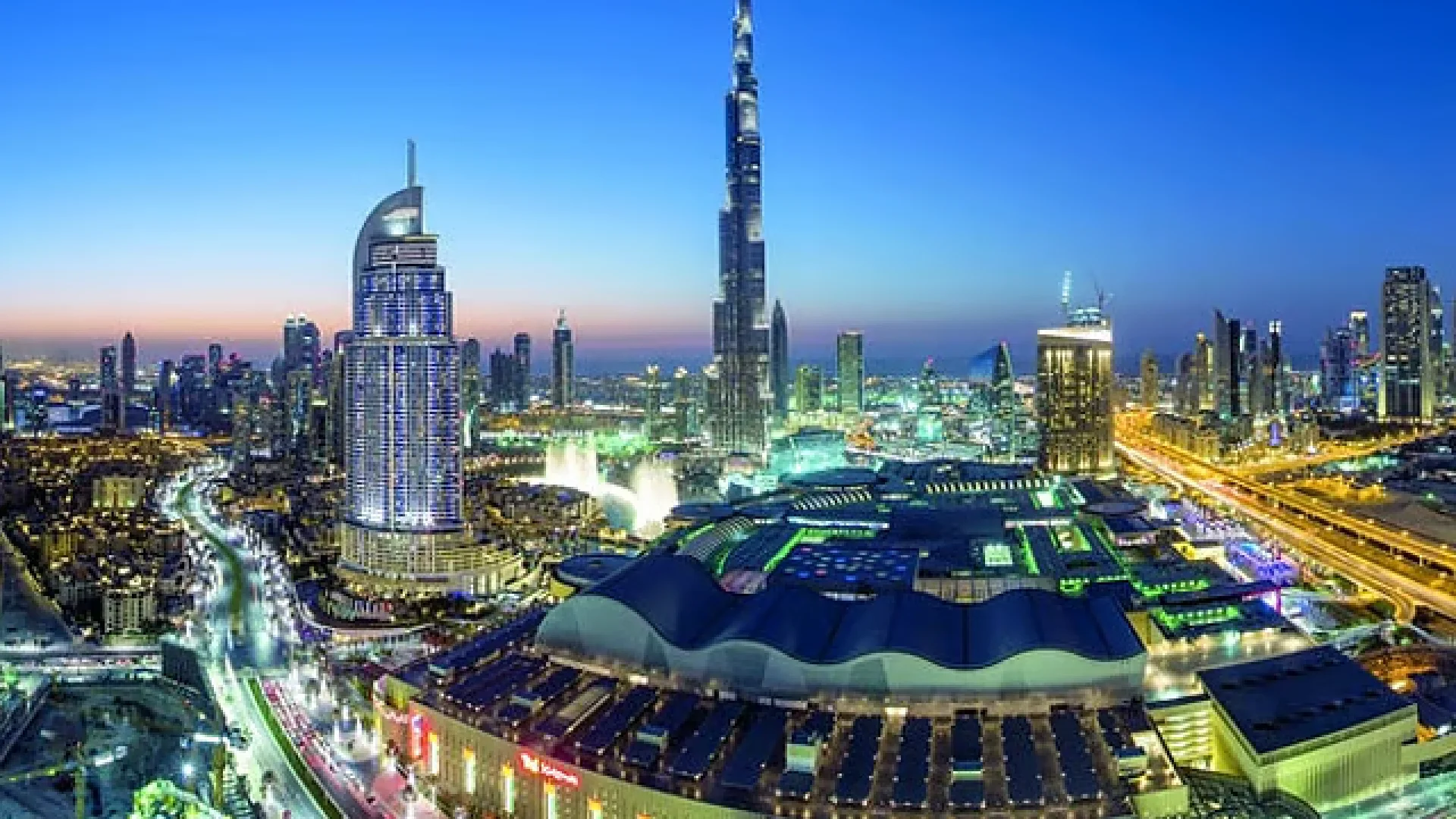
A fresh global index has crowned Dubai the Middle East’s number one and a top‑ten city worldwide for tourist appeal. Behind the rank stands a machine of connectivity, culture, and customer care—from one of the world’s busiest aviation hubs to striking new attractions and streamlined visas. The city welcomed over 17 million international visitors last year, riding a calendar of festivals, sports, and art with visible confidence. Beach, skyline, desert: Dubai knits it all together—and leans into the momentum.
Dawn rinses the Creek in pink. For a heartbeat the water is smooth as glass. Cups clink on the promenade. “Double for Gate B!” the barista calls, and suitcase wheels etch pencil lines across the stone. A couple lifts a phone—click—steel and glass sails rise behind them into the morning. “It feels like arriving and setting off at the same time,” she whispers. This is Dubai, the desert crowd-puller, gathering travelers like seashells along the shore.
A new global index places Dubai first in the Middle East and tenth worldwide for tourist appeal. The news is bigger than a number. It says the city hits the sweet spot travelers crave today: rapid connections, intuitive wayfinding, high-impact visuals, and service that doesn’t ask if but how it can help.
At Terminal 3, a group of friends drops their hoodies. “Three nights. Beach. Desert. Forty-eight hours of city,” one says, raising three fingers. Dubai knows pace. It also knows contrast. Morning views from a sky deck, lunch caught ten minutes before in a restaurant tank, nightfall with sand underfoot and stars above. The appeal is in the seam—short hops, clear signage, taxis when you need them, and a safety vibe that loosens the shoulders.
Backstage, airlines, airports, hotels, culture, and city planning play like a tight band. The result is visible: a destination that works for weekenders, families, and business travelers alike. In recent years the city has poured energy into museums, parks, promenades, bike lanes, dining, and events. Visa rules eased, digital services sped up, public spaces shaped with shade, water, and light. You feel it on arrival: This isn’t just celebration—it’s orchestration.
“Check-in? One minute,” the concierge says, tracing a path on a map. “Jazz in the courtyard tonight. Beach food festival tomorrow.” A taxi driver grins in the mirror: “Two days? Too short. Four? Better. A week? Perfect.” In the souk, a shopkeeper folds spices into a paper pouch. “Smell. Cardamom. Tastes like a good morning.” These are the moments that turn rankings into stories.
Over 17 million international overnight visitors last year signal sturdy demand. The airport ranks among the busiest on earth. The calendar is tighter—mega-events, sport, art, and tech pulling diverse audiences. The top-ten badge is less surprise than milestone: confirmation that strategy, service, and story align.
“What should we do today?” “Everything.” That small, smiling exchange gets to the heart of it. In Dubai, the beach sits ten minutes from tower shade; the desert is an hour from dinner. Seek calm in the morning and adrenaline by afternoon. Families find logistics easy. Solo travelers relax with the safety net. Food lovers eat the world in one neighborhood. Business guests share a lobby café with start-ups and giants.
The city keeps building—fresh attractions, new districts, smoother connections. The goal is not just more but better: more sustainable, smarter, more experiential. Making the global top ten is a step, not an endpoint. The deeper story is how the pieces lock to create a journey that clings like a trace of sand on your palm after a desert sunset.
Strong visitor magnetism multiplies through property. More international arrivals mean higher visibility, sturdier short-stay demand, and, over time, more relocations. That feeds into hotel occupancy, professional holiday-home management, and lively mixed-use districts.
For lifestyle-led buyers, fully managed residences, co-ownership formats, or branded homes keep it turnkey. For income-first investors, compact, well-laid-out units with strong year-round demand can balance rate and occupancy. For value growth, follow the new axes—where infrastructure, leisure, and jobs converge. The ranking isn’t an end in itself; it’s a signal. The city stays in the headlines, and real estate remains part of that story.