
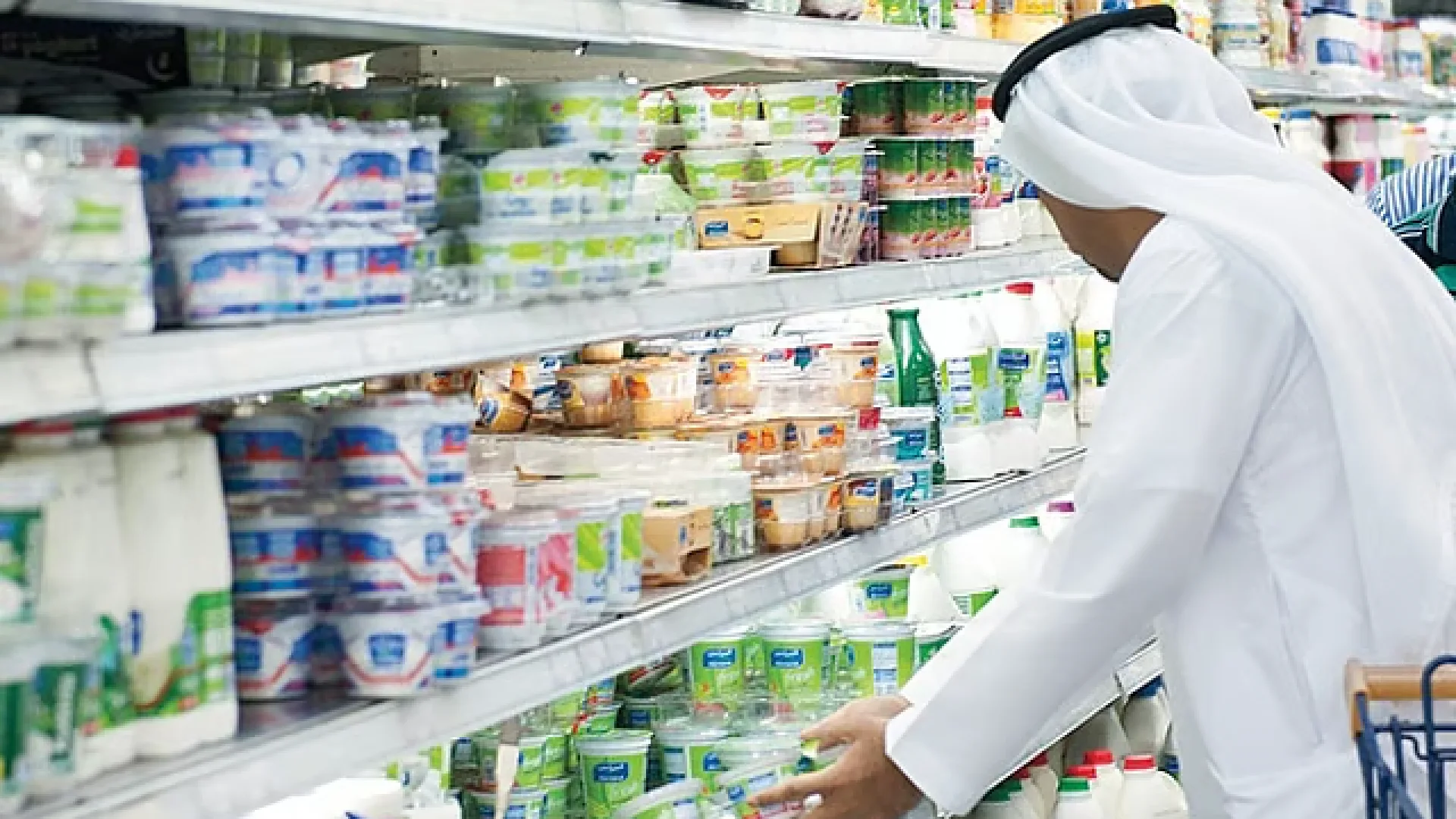

Step off the curb and you can smell it before you see it: Dubai’s food scene is expanding at a pace that feels almost unreal. According to Gulf News, more than ten new food businesses are launching in Dubai every single day—powered by tourism, a high-spending customer base, and the frictionless reach of delivery platforms and cloud kitchens. The boom rewards speed, branding, and operational discipline, but it also intensifies competition for footfall, app visibility, staff, and the right units with the right fit-out. For real estate, that daily drumbeat of openings is more than lifestyle news—it’s a signal about demand for retail formats, mixed-use clusters, and logistics-ready spaces.
The first thing that hits you isn’t a signboard. It’s the air.
Warm ghee. Toasted sesame. A citrusy snap that could be lemon—or yuzu—cutting through the night like a bright line. On a Dubai sidewalk, a door swings open and a rush of kitchen heat spills out. Inside, metal tongs click against a grill. A delivery rider shifts his helmet under his arm, glances at his phone, and says, half to the room, half to the app: “Two minutes?”
“Two,” someone answers without looking up.
This is what a boom sounds like: not speeches, not headlines—just the steady percussion of orders, receipts, timers, and footsteps. And right now, Dubai’s food boom has a number attached to it that makes even seasoned operators pause. More than 10 new food businesses are launching in Dubai every day, according to a report by Gulf News. Every day. Not “this month,” not “this quarter.” Today, tomorrow, and the day after that.
Dubai has always loved the new. New towers. New districts. New experiences. But food has become the city’s most rapid-fire reinvention—because it can change overnight. A retail unit that sat quiet last week suddenly glows with a soft-opening banner. Chairs still wrapped in protective plastic. A fresh coat of paint that smells faintly sweet. Someone inside fiddling with the playlist like it’s a critical system.
On the street, people don’t stop with skepticism. They stop with curiosity. A quick peek at the counter. A photo of the menu. A scan of the QR code. And then—inevitably—a check of ratings. In Dubai, discovery is immediate, and judgment is just as fast.
Some openings are classic restaurants—tables, host stand, the gentle choreography of service. But many aren’t. Many are brands born to live inside your phone: delivery-first concepts, cloud kitchens, tight menus engineered for travel time and packaging performance. They open without a ribbon-cutting, yet they still “launch”—with an icon appearing on a platform at 6:02 p.m. and the first order landing at 6:05.
Ask around and you’ll hear the reasons in overlapping fragments, like a busy dining room where everyone is telling the same story in different accents.
Tourism stays strong. The city’s population is global and constantly rotating, which means there’s always a fresh appetite—for comfort, for novelty, for the taste of home recreated in a new place. Consumers here are used to choice and convenience, and many are willing to pay for both. Delivery platforms keep the distance between a kitchen and a customer absurdly short. And for entrepreneurs, Dubai can feel like a place where you don’t need permission to try—just a concept, a supply chain, and the nerve to press “go.”
The Gulf News report frames the surge exactly that way: an ecosystem where openings multiply because the market can absorb experimentation. Launch, learn, adapt. If a concept catches, scale it. If it doesn’t, rework it—or replace it. In a city that measures time in opportunity, iteration is part of the culture.
There’s a second Dubai food scene you rarely see with your eyes. It runs in back-of-house corridors, in industrial units, in purpose-built kitchens where the front door isn’t for guests but for couriers. The lighting is bright. The floor drains are practical. The air is humming with extraction fans. The whole place smells like efficiency.
Cloud kitchens and delivery-first brands thrive on a different kind of location logic. They don’t need prime frontage, but they do need speed—roads that move, zones that connect, neighborhoods dense enough to keep riders busy. They need systems: packaging that holds heat, menus that don’t collapse into mush, processes that keep quality consistent through rush hour. And because the capex and footprint can be smaller than a dine-in venue, more founders can enter the market. That’s how you get to “ten a day” without the city running out of storefronts.
In a hyper-competitive market, the most valuable corner isn’t always a physical one. Sometimes it’s a slot on a screen.
One café manager, still training staff on a machine that looks like it belongs in a lab, says it plainly: “If we’re not seen, we don’t exist.” He doesn’t mean pedestrians. He means search results. He means the endless scroll of options at dinner time, where customers compare photos, delivery times, minimum order values, and reviews in the span of a breath.
That pressure reshapes how new businesses design themselves. Names need to be memorable. Packaging needs to be Instagram-friendly. A signature item becomes a marketing asset, not just a recipe. Even the interior—if the brand has one—often includes a corner that photographs well, because one viral reel can do what a week of flyers never will.
A boom looks glamorous from the outside. From the inside, it’s a stress test that repeats daily.
There’s staffing—finding people, keeping them, training them fast enough that service doesn’t wobble. There’s supply—ensuring ingredients arrive on time, at the right quality, at the right price. There’s compliance and hygiene and the operational grind that never makes it into a glossy opening-night post.
And then there’s the most Dubai moment of all: success that arrives too quickly. The line gets long. The kitchen runs out. A staff member whispers, “We’re sold out.” It sounds like victory, but it feels like panic—because tomorrow you open again, and now expectations have teeth.
With more than ten launches a day, the market naturally fragments into recurring formats. You’ll see many new concepts falling into a few broad types:
Dubai’s advantage is that its customer base is already trained to navigate this variety. A person can eat like they’re in Beirut for breakfast, Seoul for lunch, and Lima for dinner—and consider it normal. That openness is rocket fuel for new launches.
When openings happen at this frequency, food stops being a category and becomes infrastructure. New cafés create morning footfall. Late-night spots extend activity past the workday. Restaurant clusters turn ordinary blocks into destinations. Malls and high streets recalibrate their tenant mixes because food doesn’t just generate sales—it generates dwell time, and dwell time spills into retail.
At the same time, the churn risk rises. Not every concept will survive the noise. In a market this busy, “good” can be invisible. Operators who win tend to do a few things relentlessly well: a clear proposition, disciplined cost control, consistent delivery, and a brand that lands emotionally, not just logically.
For landlords, developers, and investors, this isn’t just a lifestyle story—it’s a demand signal. Food tenants can anchor neighborhoods, stabilize mixed-use projects, and lift retail performance, but they also introduce fit-out intensity and operational risk that must be priced correctly.
Investor takeaway: Dubai’s daily wave of food-business launches points to sustained consumer demand and a platform-driven market that rewards speed. The best-positioned real estate will be the spaces designed for that reality—technically “F&B-ready,” operationally efficient, and located where footfall and delivery radius intersect.