
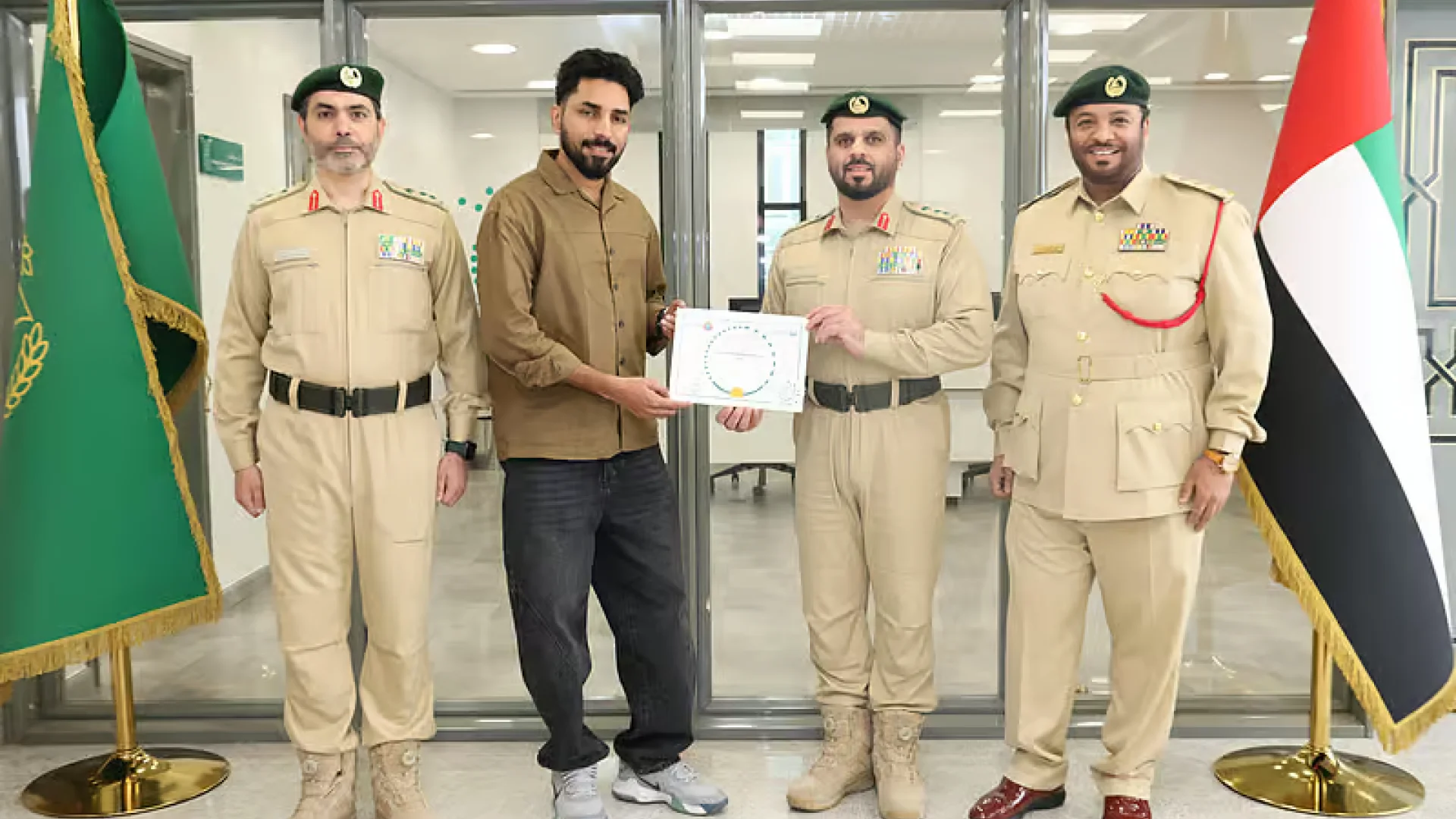

In a city famous for speed and spectacle, one quiet decision cut through the noise: a Dubai expat found Dh100,000 and chose to return it. He handed the money over, helped ensure it reached its rightful owner, and was later publicly recognised for his integrity. The incident, simple on the surface, became a headline because it spotlights the everyday trust that keeps a global metropolis running.
The floor gleamed the way Dubai floors often do—polished, bright, almost too perfect to be real. Air-conditioning hummed. Footsteps clicked. People moved with that familiar, forward-leaning pace, as if the next appointment was already late.
And then—there it was. Not a receipt. Not a stray keycard. Cash. A thick, unmistakable stack that made time slow down for a second.
Dh100,000.
It’s the kind of number that immediately turns into pictures in your head: a month of rent (or several), a flight home, a tuition payment, a fresh start, a long-delayed plan. Then comes the other image—your own face in the mirror later that night. The question you can’t dodge: What will you do with it?
The Dubai expat at the centre of this story didn’t treat the find as luck. He treated it as a responsibility. Instead of slipping the money into a pocket and letting the city swallow the moment, he did the harder, cleaner thing. He returned it—handed it over to the authorities and helped set the process in motion to get it back to the rightful owner.
You can almost hear the micro-dialogue at the counter, the brief pause when routine turns into something else.
“How much did you say?”
“One hundred thousand.”
A blink. A breath. Then the paperwork, the procedures, the careful steps that turn a shocking find into a resolved story.
Dubai is built on superlatives—tallest, fastest, biggest, newest. But every now and then, it’s a small human gesture that feels most dramatic. One person choosing honesty over opportunity. One moment of temptation answered with a straight-backed “no.”
Authorities didn’t let the act disappear into bureaucracy. The expat was formally honoured for his honesty, a public nod that says: this matters here. In a place where millions of people from different countries and cultures share elevators, pavements, and neighbourhoods, trust isn’t a nice extra—it’s infrastructure.
And stories like this travel fast. Not because they’re complicated, but because they’re rare enough to feel like a relief. They remind you that the city’s shine isn’t only glass and chrome; sometimes it’s character.
Imagine the seconds after the discovery. The mind does what minds do: it negotiates. It offers excuses. No one saw. No one will know. Maybe it’s abandoned. Maybe it’s meant to be.
But Dubai is a city of contrasts, and it tests you with them. Luxury beside routine. Anonymous crowds beside sudden accountability. The expat chose clarity. He turned a random stroke of chance into a deliberate act of decency.
For many expats, life in the UAE is a constant balancing act—between the home you came from and the home you’re building now. Returning the money was more than a lawful move; it was a statement of belonging. A quiet way of saying: I’m part of this place, and I’ll protect what makes it work.
The recognition wasn’t just a photo opportunity. It was a signal. Publicly rewarding honesty reinforces a social expectation: if you find what isn’t yours, you return it. In a global hub, that expectation becomes a form of everyday security.
It also speaks to how Dubai wants to be experienced—not only as a destination of ambition, but as a city where systems respond and values are visible. People move here to build careers and businesses, to raise families, to invest, to restart. Those choices depend on more than skyline views. They depend on confidence that rules function and that the community—often made up of strangers—can still choose one another’s wellbeing.
For investors and homeowners, “trust” is not a soft, abstract idea—it’s part of a market’s liveability. Stories like this contribute to Dubai’s broader appeal: a sense that processes work, that civic norms are reinforced, and that day-to-day life is supported by both institutions and community behaviour. When international buyers consider long-term holds, rentals, or relocation, these signals—small but powerful—help shape confidence in the city behind the skyline.