
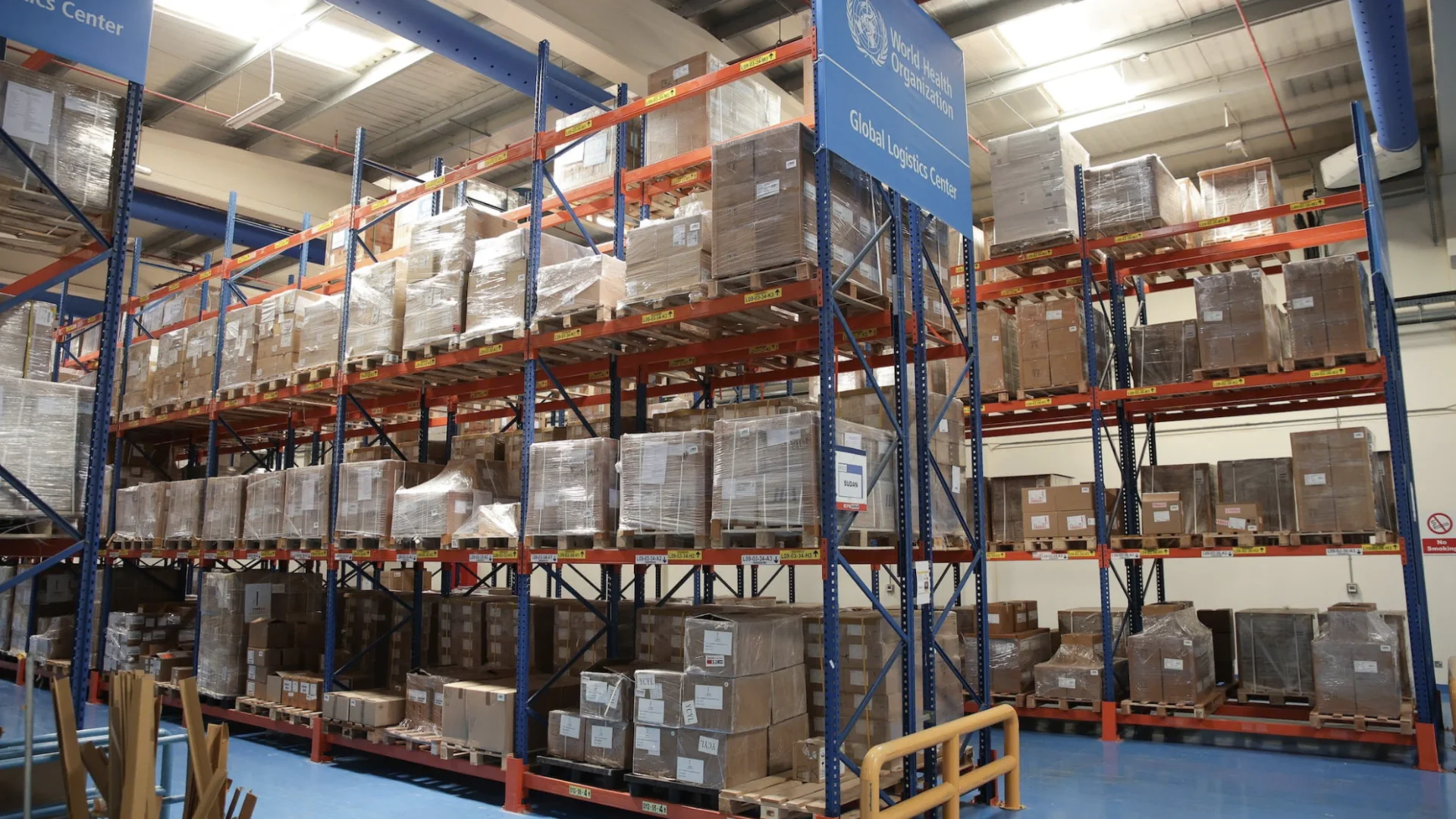

You notice it before you understand it: the steady choreography of forklifts, labels, and shrink wrap—humanity translated into logistics. Dubai Humanitarian has announced fresh record performance, citing higher capacity and increased global dispatches of relief supplies, strengthening Dubai’s role as a fast-response hub for aid organizations. The story is bigger than warehouses: it’s about pre-positioned stock, rapid mobilization, and a network designed to shave critical hours off emergency response. In Dubai, the promise of help is built into infrastructure—and measured in speed.
The sound is what hits first. A forklift hums, stops, hums again. Plastic wrap snaps tight around a stack of cartons. Someone reads a destination out loud—half to a colleague, half to themselves—then nods like they’ve just confirmed a small truth. “Send it,” a voice says, not dramatic, simply certain.
This is Dubai Humanitarian, a place that doesn’t look like a headline until you realize what’s inside the boxes. Here, relief is not an abstract idea. It’s inventory. It’s temperature control. It’s a loading plan timed to an aircraft slot. And in its latest update, Dubai Humanitarian says it has reached new peaks—higher storage and stronger outbound movement of humanitarian cargo—further cementing Dubai as one of the world’s most connected aid logistics hubs.
In an emergency, minutes behave differently. They stretch. They bite. A logistics lead walks briskly between aisles, scanning labels, checking a list that looks too ordinary for the stakes it carries. “The goal is simple,” she says, pausing just long enough to look up. “Remove friction.”
That phrase—remove friction—explains why the latest performance figures matter. Dubai Humanitarian’s message is clear: the hub is scaling its ability to store, stage, and dispatch supplies so organizations can respond faster when disasters strike or shortages escalate. More capacity means more pre-positioned goods. More dispatches mean more real-world reach. It’s not glamour; it’s preparedness.
Walk deeper into the facility and you start to notice the international mix. Logos you’ve seen in crisis coverage sit side-by-side—aid agencies, NGOs, global institutions—each with their own protocols, all sharing the same practical need: a reliable launchpad.
Dubai Humanitarian’s model is built around that convergence. Warehousing meets customs facilitation. Handling meets documentation. The broader Dubai logistics ecosystem—air connectivity, speed, process discipline—does what it does best, but with a different payload: kits, shelters, medical items, essential supplies.
A staff member points at a row of identical cartons. “They look the same,” he says, tapping the corner of one. “But inside? Totally different lives.” Water purification in one. Medical kits in another. Education supplies in a third. The warehouse feels suddenly like a map—every stack a destination, every label a promise.
Records usually call for celebration. Here they feel like a quiet, heavy responsibility. Dubai Humanitarian’s announcement highlights new highs across core metrics—greater storage capacity and increased outbound aid shipments—signaling to the humanitarian community that Dubai remains a dependable point of readiness.
It also underlines something else: logistics is strategy. Dubai’s geographic position puts multiple regions within efficient air reach, and the city’s infrastructure is designed for throughput. When that capability is channeled into humanitarian operations, the effect is measurable: faster mobilization, smoother coordination, fewer delays between “need identified” and “help delivered.”
Near a loading bay, two colleagues have a micro-conversation that lasts maybe five seconds.
“Correct destination?”
“Confirmed.”
“Seal it.”
That’s it. No speeches. No camera angles. Just the mechanics of care, executed with discipline.
And yet, standing there, you feel the emotion anyway. Because the boxes are not abstract. They are meant for people who are waiting. People who don’t have time for bureaucracy, or distance, or procedural drama. People who need the next step to happen now.
Dubai Humanitarian’s latest milestone is, in the end, a story about making “now” possible—through scale, coordination, and an ecosystem that understands that speed can be a form of compassion.
Humanitarian logistics hubs don’t exist in isolation. When a city strengthens its role as a global dispatch point—especially one tied into air cargo corridors—it can lift demand for industrial and logistics real estate across the market. In Dubai, expansions in hub activity can translate into: