
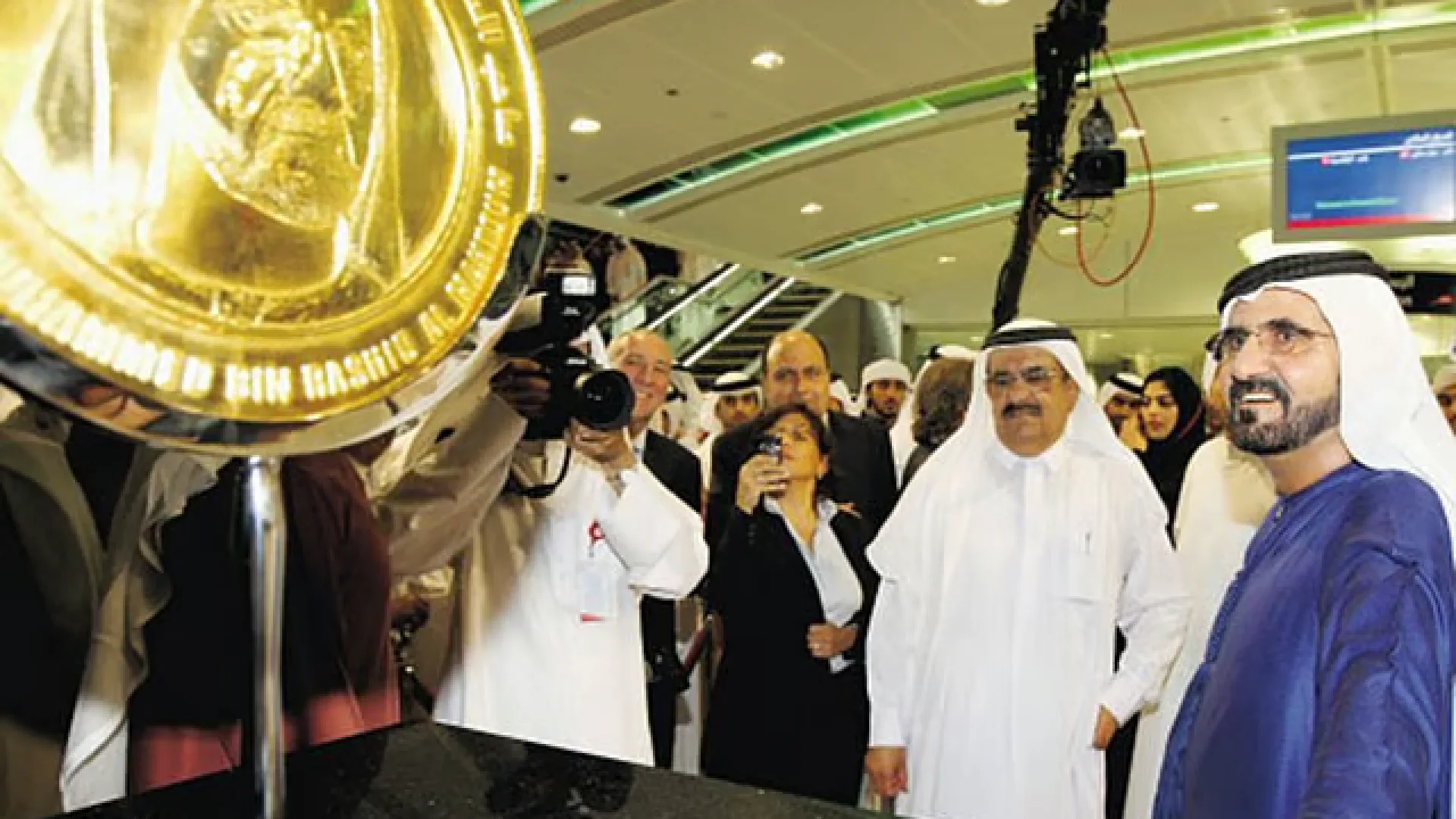
At 9:09 pm on 09/09/09, a red-and-silver train slid out of a glass shell and rewired how Dubai moves. Since that first driverless glide, two main lines, seamless Nol tap-and-go, and an Expo-bound extension have stitched the old creekside city to its new skyline corridors. Ridership has swelled to hundreds of millions of journeys each year, stations have become landmarks, and commuting rituals now run on quiet precision. With fresh expansion plans on the table, the metro isn’t just a transport story; it’s a playbook for urban life, development, and investment.
The platform hums before you hear the train. Warm air turns cool as the doors settle with a soft click. 'Tap', says the Nol gate in a green wink. A school kid tugs at a backpack strap. A nurse checks a shift message. A barista cushions a paper cup as the windows turn into mirrors. Then the city moves, and you move with it.
There was a countdown, a cheer, and the first driverless train eased into the night at 9:09 pm on 09/09/09. No drama, just the hush of a promise: speed, reliability, and a second, silent layer of movement above the traffic. Overnight, Downtown and Deira felt closer. Stations popped up as bright waypoints along Sheikh Zayed Road and by the creek, and the skyline learned a new rhythm.
The Green Line followed, wrapping around the historical heart and tying old Dubai to the new. Nol cards made movement a single tap. Platform screen doors turned chaos into calm. Air-conditioned bridges made the midday walk possible. There was a Gold Class to watch the city in widescreen, and a Women and Children cabin to ride with extra ease. Every design choice said the same thing: make it simple, make it safe.
Then came the leap to the Expo corridor. A swathe of neighborhoods, once 'out there' on weekend maps, snapped into the weekday commute. Trains didn’t just carry visitors; they carried possibilities. Cafés appeared on corners, evening rushes found a groove, and friends met 'at the station' as if that station had always existed.
Morning is a choreography. Earbuds in. Tap. Beep. A sidestep to clear the door. Noon is the cool sigh of an arriving train. Evening is reflections sliding along the glass as sunset turns towers into new colors. You learn the micro-dialogues: 'Mind if I stand here?' 'Go ahead.' You begin to trust the clock. You forget to check for parking.
Big nights roll differently. The metro runs late, sometimes almost round-the-clock for events, and the city hums without gridlock. Transfers link like gears: bus to metro to tram, one card across the lot. Station naming rights turn stops into small urban brands that double as directions in a city that prizes speed and clarity.
It wasn’t just steel and signals. The Expo extension redrew mental maps: a new arc of homes, schools, and workplaces came into practical range. Families gained predictable school runs. Shift teams shaved minutes off each leg. Developers learned to pitch 'five minutes to the station' as a daily dividend. You could feel the difference in the morning hush of a platform and in the evening laughter under a station canopy.
The metro is a quiet nudge toward leaving the car at home, at least some days. It cuts peaks, clears air, and gives back what cities hoard: time. It connects the intern on a tight budget, the family on a busy schedule, the tourist with a wide-open list, the night-shift crew swapping notes between stops. Hundreds of millions of annual journeys are not a boast so much as the sum of reliable, everyday choices.
Operations sharpened year after year: punctuality, clean cars, smarter wayfinding. Refreshed trains slid into service. Busy stations got better crowd flows. Digital tools helped riders plan and pay. And the future keeps knocking. New lines are on the map, set to push coverage deeper across the city’s east-west arc and into growing education and innovation hubs. Expect tighter headways, quieter hardware, more intuitive interchanges.
A security officer nods hello. A group of students compares maps like they’re swapping road-trip stories. A father points at the panel above the door: 'We’re here. Your football is there.' The train breaks from tunnel to daylight and the skyline pours across the window like a widescreen reveal. For a split second, you’re not commuting. You’re watching the city breathe.
You don’t need a record to feel the impact: shorter trips, steadier days, neighborhoods stitched into something larger than their blocks. Every added kilometer multiplies choice. Every on-time arrival is a small civic handshake. That’s the real math of a metro city.
Transit shapes value. Along Dubai’s corridors you can see it in real time: blocks that once felt marginal animate with cafés, clinics, and co-working; mid-rise apartments turn over faster; offices near stations hire easier and park less. For owners and investors, the metro is quiet risk control and steady demand.
How to play it: Focus on assets within a comfortable 5–10 minute walk of stations, with active ground floors and clear pedestrian routes. Track announced interchanges — where lines cross, values crowd in. If you’re timing an entry, buying ahead of an opening and holding through the first service year can turn mobility into momentum. In short: invest where the timetable is the thesis.