
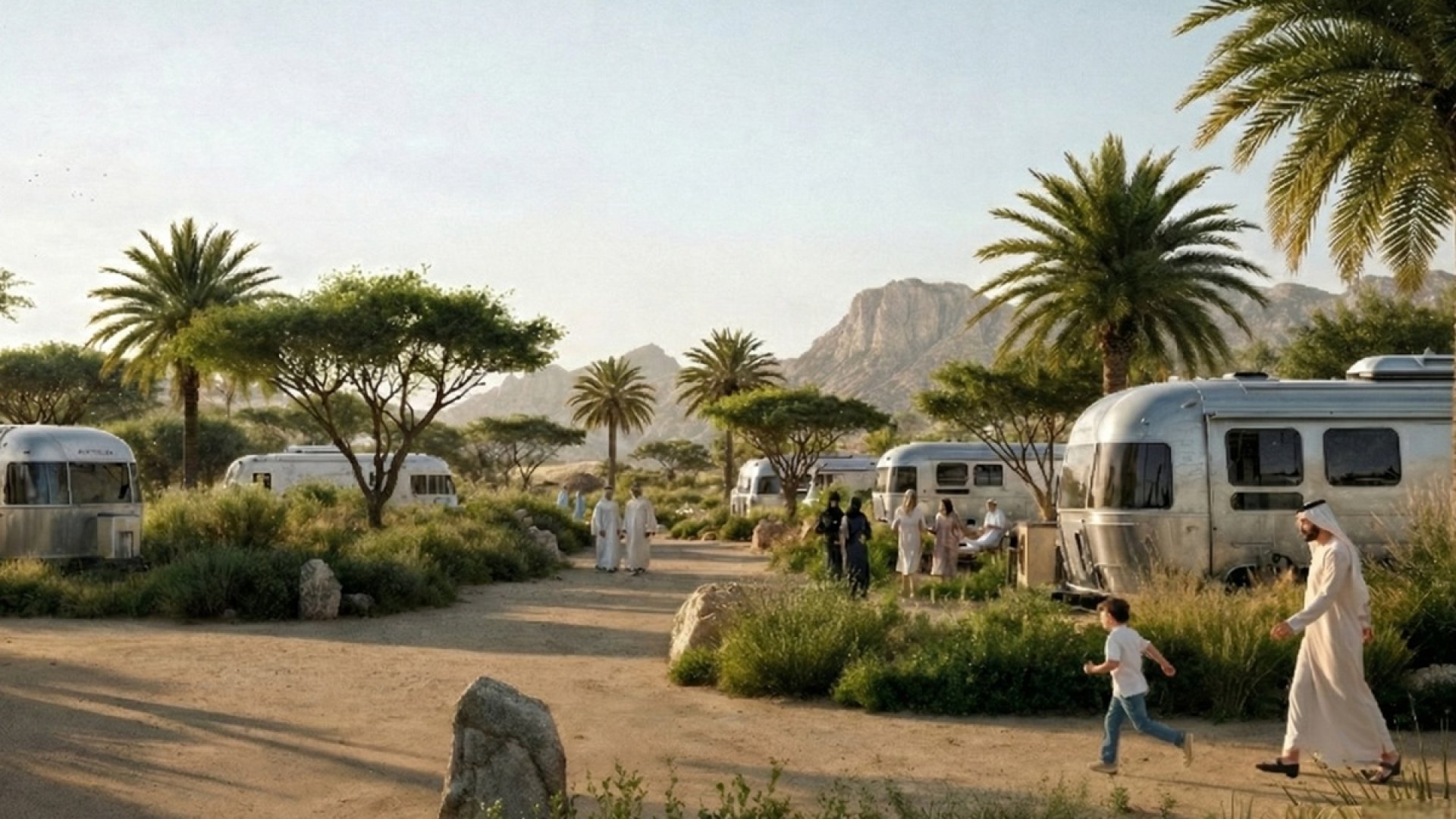
Before the city wakes, Dubai’s other landscapes are already in motion—dunes, mangroves, coastlines and open trails. A newly launched initiative aims to boost nature tourism and outdoor experiences, making them easier to access, better packaged and more visible as a stand-alone reason to visit. The goal is simple but strategic: expand what “Dubai” means beyond skylines and shopping, and turn open-air adventures into a stronger pillar of the tourism economy. For visitors—and for investors—this signals a broader, experience-led shift in how the emirate wants to be explored.
The sand is cool enough to fool you.
At dawn, before the heat sharpens everything into mirage, the desert feels soft underfoot—like flour, like velvet. A breeze skims the dune ridge and lifts a few grains into the air. They catch the first slant of sunlight and flash, briefly, like tiny sparks.
“Listen,” a guide says, not quite whispering, not quite speaking. “Dubai is loud… until it isn’t.”
There’s no engine noise here. No soundtrack. Just the small crunch of shoes, the patient hush of open land, and somewhere far off, a bird cutting a clean line across the sky. The famous skyline exists, sure—but right now it feels like a rumour, something you dreamed up after too much neon.
This is the Dubai the emirate wants more people to meet first-hand. And it no longer wants those moments to be accidental, hidden behind the city’s headline attractions. Dubai has launched a new initiative to boost nature tourism and outdoor experiences—an effort to spotlight the emirate’s landscapes, make them more accessible, and package them in ways that feel effortless to discover, book and enjoy.
Dubai is a master of spectacle. But nature tourism plays by different rules. You can’t build a sunrise the way you build a tower. You can only guide people toward it—safely, responsibly, and with enough care that the magic stays intact.
The new initiative is designed to bring that care into sharper focus. It puts outdoor experiences—desert exploration, coastal time, wetland encounters, trails and open-air activities—on the same strategic footing as the city’s more familiar offerings. In other words: the outdoors is no longer a side quest. It’s being positioned as a main storyline.
That shift matters. It signals that Dubai is betting on a broader definition of tourism value: not just what visitors buy, but what they feel. Not just what they see from a rooftop, but what they touch with their hands—salt air, warm rock, cool sand, a paddle dipping into still water.
Plenty of travellers already “do” the desert: an evening drive, a quick photo, a buffet under fairy lights, back to town. But the ambition now is bigger—and more nuanced. Dubai wants outdoor experiences to be easier to find and more coherent as a network of places and activities, rather than scattered options you stumble across.
Think of it as a move from isolated excursions to a curated ecosystem. Better visibility. Clearer routes. Experiences that can be shaped into full days—or even multi-day stays—rather than a single checkbox.
Later, the world changes texture.
The desert’s openness becomes a narrow waterway, threaded through mangrove roots. A kayak slides forward with a soft scrape. The water is darker here, almost inked, reflecting a sky that’s turned bright and hard with midday sun.
“There,” someone says, and the group instinctively slows.
A heron stands in the shallows—still, elegant, absurdly composed. For a few seconds it looks like a sculpture placed for effect. Then it moves. One clean wingbeat. A flash of pale feathers. Gone.
Moments like that are why nature tourism works. Not because it’s loud, but because it interrupts you. It pulls you out of your own pace and hands you a different one.
Outdoor travel isn’t a niche anymore—it’s a mainstream expectation. People want to move, breathe, reset. They want early starts and honest fatigue. They want photos that don’t look like everyone else’s photos. They want a sense of place that can’t be replicated in a shopping arcade.
Dubai, which has worked hard to position itself as a year-round destination, is leaning into that shift. Nature and outdoor experiences can expand seasonal appeal, diversify visitor profiles, and create reasons to stay longer. A traveller who books a trail day, a coastal morning and a desert night doesn’t just add activities—they add nights.
And nights are the quiet currency of tourism: they mean hotel bookings, restaurant covers, taxis, tours, repeat visits. They also mean the city’s story grows deeper. Dubai becomes less of a single postcard and more of a scrapbook.
“Is this really Dubai?”
It’s a question guides hear at the exact moment the city disappears: when a trail bends and the skyline drops out of view; when the sand turns copper in evening light; when the air smells faintly of salt and plant life instead of perfume and fuel.
The initiative takes that question and answers it with confidence: yes—and it’s worth planning for.
Because a great outdoor experience isn’t just a location. It’s a sequence. Arrival. Orientation. The first small surprise. A pause at exactly the right viewpoint. A short micro-dialogue that makes you look again.
“See that line?” a guide might say, pointing to a ripple in the sand. “That’s last night’s wind.”
Someone laughs. Someone takes a photo. Someone—quietly—puts their phone away.
To scale outdoor tourism without losing its soul, you need quality: trained guides, clear wayfinding, safety standards, thoughtful infrastructure, and marketing that doesn’t oversell. Dubai is good at curating experiences. The difference now is where the curation happens: under open sky.
For years, Dubai’s identity has been built on height, speed and shine. But the strongest brands evolve by adding contrast. Nature provides that contrast. It’s the pause between the city’s beats.
It also feels credible. You can manufacture a thrill ride. You can’t manufacture a migrating bird. You can only protect the habitat, manage the visitor flow, and invite people in with respect. If done well, nature tourism doesn’t compete with Dubai’s urban appeal—it completes it.
Skyline and starfield. Rooftop and ridgeline. A city that dazzles, and a landscape that calms.
At sunset, the desert turns theatrical. Shadows stretch long across the dunes, and the sand blushes pink for a few minutes like it’s embarrassed by its own beauty. Someone passes a cup of tea. A child points at tracks in the sand—maybe a fox, maybe something smaller.
Everyone leans in as if it’s breaking news.
That’s the thing about nature: it doesn’t shout. It lingers.
Dubai’s new initiative is, at heart, an attempt to turn that lingering into a stronger reason to come—and a richer reason to stay. It invites visitors to explore the emirate not just from the top of a tower, but from the ground: one step, one paddle, one quiet “look at that” at a time.
Dubai’s push to expand nature tourism and outdoor experiences has direct implications for real estate performance, particularly in hospitality, short-stay residential formats and experience-led mixed-use assets. When a destination broadens from “city break” to “multi-activity stay,” it changes how long visitors remain, where they want to base themselves, and what they expect from accommodation and neighbourhood amenities.
1) Location premium shifts toward access and lifestyle
As outdoor attractions become more visible and better packaged, proximity—and convenient connectivity—to deserts, wetlands, coastal stretches and trail networks can become a stronger differentiator. Micro-locations that combine urban convenience with fast escape routes may see increased demand from tourists and residents who prioritise an active, outdoors-oriented lifestyle.
2) Tailwinds for hospitality and serviced living
Outdoor travellers often favour early departures, flexible schedules and practical space (storage, kitchens, laundry, parking, easy check-in/out). That aligns well with serviced apartments, aparthotels and well-managed holiday homes—formats that can capture longer stays and repeat visitation, especially if the emirate succeeds in positioning nature experiences as multi-day itineraries rather than one-off excursions.
3) Experience-led retail and F&B demand
Growth in outdoor tourism typically lifts demand for gear retail, rentals, guided services, wellness concepts and food operators that suit early mornings and post-activity recovery (coffee, healthy fast-casual, hydration and convenience). For investors in mixed-use developments, this can improve tenant mix resilience and diversify footfall beyond traditional mall or office-driven patterns.
4) Development strategy: placemaking that sells a feeling
In competitive residential markets, what sells is often not just a unit, but a lifestyle narrative. Projects that integrate walkability, access to open space, community facilities, and a credible “outdoor DNA” can strengthen absorption and pricing power—particularly among families, active expats and hybrid workers seeking quality of life.
5) ESG and long-term risk considerations
Nature tourism relies on protection and managed access. Investors should track how visitor flows, conservation priorities and infrastructure standards evolve, because regulation, carrying-capacity limits or protected-zone rules can shape what can be built, where, and under what operating conditions. Assets aligned with responsible tourism and sustainability standards may benefit reputationally and fit better with institutional ESG mandates.
Investor takeaway: By elevating outdoor experiences into a strategic tourism pillar, Dubai is widening its demand base and strengthening year-round appeal. That can support occupancy and ADR potential in hospitality, boost performance of short-stay residential assets, and create new value pockets in locations positioned as gateways to the emirate’s natural attractions.