The spotlight of global football is drifting toward the Gulf as Dubai increasingly hosts FIFA-adjacent congresses, gatherings and deal-making formats. Instead of old European committee rooms, the game’s powerbrokers meet amid glass towers, five-star lobbies and tightly curated schedules. What looks like hospitality is also strategy: a place where networks are forged, partnerships warmed up and decisions quietly prepared. Dubai isn’t being declared a capital of football power—it’s becoming one through repetition, convenience and reach.
The lobby feels like an airport lounge dressed for a gala. Marble underfoot. Cold air pouring from hidden vents. A low hum of voices in English, French, Arabic—each sentence clipped, purposeful. On a screen above reception, familiar sponsor-style graphics rotate as if kickoff were minutes away. But there’s no pitch here. The match is influence. The venue is Dubai.
“We’ll do the follow-up over dinner,” a man says, half to his phone, half to the colleague walking beside him. He doesn’t slow down. Nobody does. The city runs on momentum, and world football—restless, global, lucrative—seems to like the rhythm.
For decades, football politics wore a particular costume: committee meetings in Europe, familiar corridors, the same faces returning year after year. Dubai offers a different set. Here, decision-making arrives wrapped in hospitality and speed. You land, you meet, you sign, you leave—often within the same 48 hours. Everything is designed to remove friction, including the kind that comes with public scrutiny.
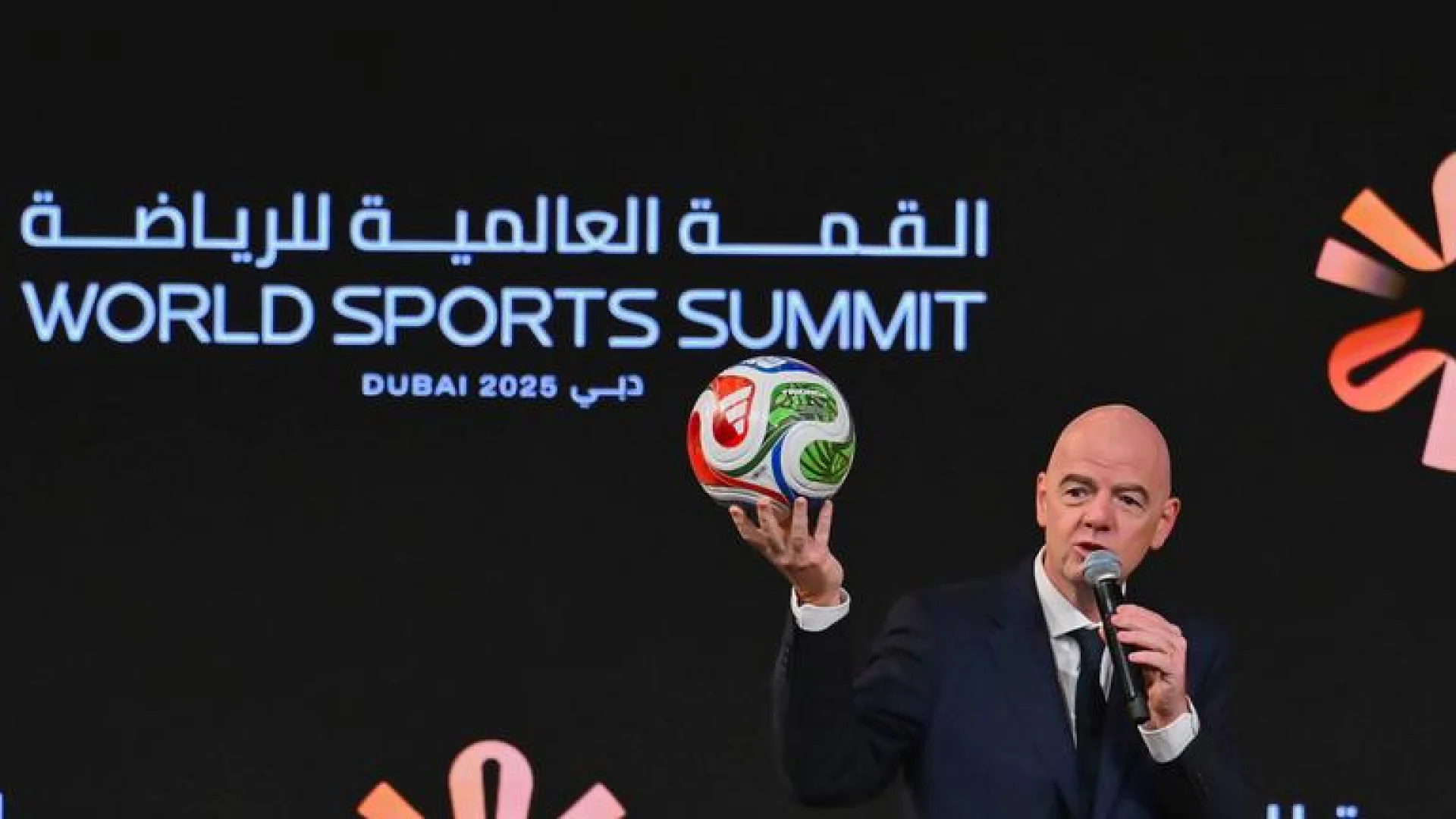
That’s why FIFA-linked events and the broader ecosystem around the governing body—partners, agencies, consultants, sponsors—keep showing up. Not always with big announcements. Often with calendars filled by “forums,” “congresses,” “summits,” and private sessions where names are checked at the door and conversations soften into murmurs.
Dubai doesn’t just host meetings; it stages them. The lighting is perfect. The logistics are flawless. The distance between a conference room and a private table is measured in steps, not taxi rides. And in world football, proximity is currency.
At the coffee station, two men lean in, shoulders almost touching. “In Europe it’s complicated,” one says, stirring sugar into a tiny cup. “Here it’s… easier.” The other answers with a smile that could mean agreement—or simply caution. No one mentions figures out loud. No one needs to. The point of coming is to be in the right room when the next idea becomes a plan.
Dubai’s appeal is practical and symbolic at the same time. Practically, it’s a global crossroads with direct flights, premium hotels, high-security event infrastructure, and a service culture that makes VIP movement seamless. Symbolically, it belongs to a region that has invested heavily in sport as reputation, diplomacy and business. Football is not just entertainment here; it’s positioning.
FIFA’s world is no longer anchored to a single headquarters and a yearly congress. It’s a moving network: markets, partners, regional alliances, commercial strategies. Dubai fits that model almost too well. It offers a neutral meeting point for international actors—and a magnet for those who want to be seen as close to the centre.
Walk the hallway between sessions and you can feel the invisible choreography. Small groups form and dissolve. A hand on a shoulder. A quick exchange of business cards. A glance toward the elevator as if to check who might be watching. Then doors close and the next slide deck opens.
Where new centres of power emerge, questions follow. Football has spent years wrestling with transparency, governance and the closeness of money, politics and sport. In Dubai, that closeness can look sharper because the setting is so polished. The city sells the future with glass and light—yet football’s old dilemmas travel well.
Ask a traditionalist and you’ll hear nostalgia: “We used to meet at the stadium.” Now the meetings happen above the skyline, with the city glowing below like a circuit board. The language has changed too. Less about tactics, more about platforms, portfolios, partnerships. The ball is still there, somewhere—but it’s no longer the only thing moving.
Dubai doesn’t need a formal crown to become a football capital. It only needs repetition: the same people returning, the same calendars filling, the same deals being warmed up in the same hotels. Over time, habit becomes structure. And structure becomes power.
As Dubai strengthens its role as a recurring host for global sports governance and business events, the spillover into real estate is tangible. Rising volumes of high-spend visitors and VIP delegations can support demand for luxury hospitality, serviced residences, short-stay corporate rentals and flexible Grade-A office space near hotel and convention clusters. For investors, assets tied to event-driven occupancy—mixed-use districts, hospitality-adjacent residential concepts and adaptable workspace—may benefit from steady, calendar-based demand rather than seasonal tourism alone.