Dubai is giving its economy a sharper, louder channel: Sheikh Ahmed bin Mohammed bin Rashid Al Maktoum has approved a new media platform dedicated to Dubai Economy. The goal is to bring initiatives, performance indicators and success stories into a single, modern stream—clearer for residents, more useful for businesses, and easier to read for global investors. By centralizing updates and context, the platform aims to turn scattered information into a coherent picture of where the emirate is heading. In a city that runs on momentum, communication becomes part of the machinery.
The glow of a phone screen is the first light in the room. A scroll. A pause. “This is moving fast,” someone murmurs—half amazed, half calculating. Outside, Dubai’s night traffic keeps its steady rhythm; inside, headlines and charts flicker like city lights seen from above. In Dubai, speed is a lifestyle. Now it’s also a strategy.
Sheikh Ahmed bin Mohammed bin Rashid Al Maktoum has approved a new media platform focused on Dubai Economy—a single, modern place to tell the story of the emirate’s economic agenda. Not as a cold bulletin board, but as an evolving narrative: what’s being launched, what’s working, what’s changing, and what opportunities are opening up for businesses and investors.
Dubai’s economy isn’t one story. It’s many stories running in parallel—trade and logistics, tourism and aviation, retail and real estate, tech and finance, the daily pulse of SMEs and the long arc of national strategy. For years, those updates have lived in different places: press releases, event announcements, social media posts, sector reports, and the inevitable whispers of “Have you heard?” that travel faster than any official statement.
The new platform is designed to gather that energy into one clear line of sight. A hub where initiatives, outcomes, indicators and human stories can sit side by side—so the public can understand the direction, and decision-makers can move with more confidence.
In global cities, information is infrastructure. It shapes perception, reduces friction, and speeds up decisions. And in a market where capital can cross borders at the tap of a screen, the way a city communicates its economic reality can be as influential as the reality itself.
Dubai’s bet is simple: if you want the world to build, expand, hire and invest here, you don’t just deliver policies—you deliver clarity. You make it easy to follow the thread.
At its heart, the initiative is about visibility and access. The platform is meant to present Dubai Economy’s work in a form that travels well—across languages, time zones and industries. Less hunting, more understanding.
That last point matters more than it sounds. Cities often talk about growth as if it happens in spreadsheets. But growth is also a shop opening its second branch. A founder finally getting a license through. A family business going digital. A new route, a new warehouse, a new cluster forming where there used to be sand and quiet.
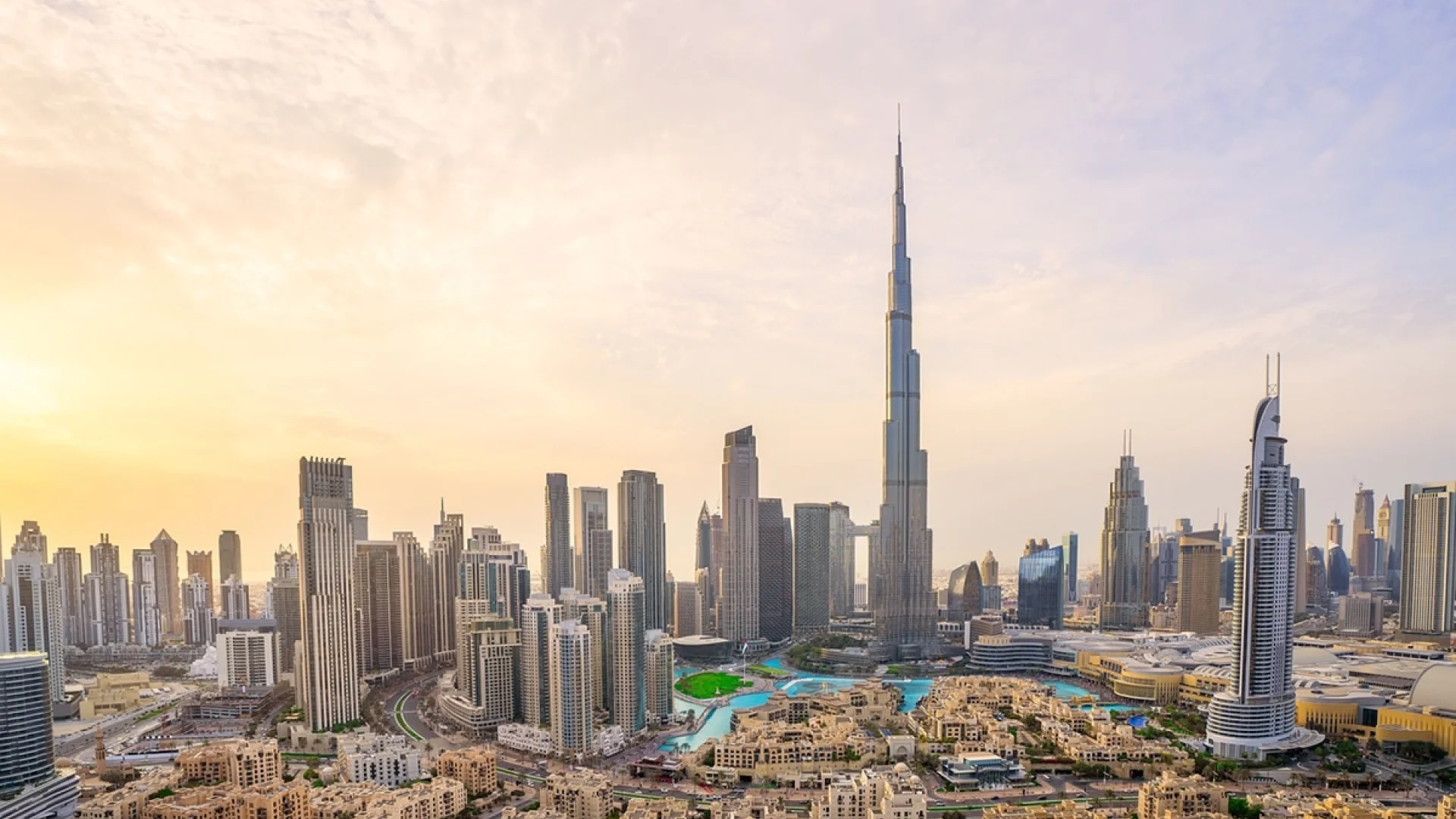
Picture this: you land late at DXB. Your calendar is packed—two site visits, a meeting with a potential local partner, and a quick look at an office space that might become your regional base. On the drive in, the skyline looks like a promise. But your questions are practical: What’s the government prioritizing this quarter? Which sectors are being encouraged? What programs are active? What results are being reported?
In many places, you’d chase those answers across multiple sources. Dubai wants you to find them in one place—quickly, cleanly, with enough context to act. The platform, in that sense, is a tool for momentum: it keeps the market synchronized.
“People don’t just invest in returns,” a business executive tells me between meetings, cup in hand. “They invest in predictability. In being able to read the direction.” He checks his phone, nods, and disappears into a lobby where conversations sound like negotiations and ambition.
Dubai has spent years polishing its investor-friendly image: streamlining procedures, promoting innovation, attracting talent, and building the physical infrastructure that keeps the city running. A modern media platform fits that evolution. It’s not only about broadcasting; it’s about reducing uncertainty—making it easier for companies to plan, for investors to assess, and for residents to understand how the city is changing around them.
Done well, it becomes a kind of public dashboard with a heartbeat. Not a static archive, but an ongoing conversation—one that makes Dubai’s economic machine legible to the people who want to engage with it.
Dubai has always been visual: sunrise on glass towers, planes stitching continents together, cranes counting the city’s future in steel and concrete. But imagery alone isn’t enough in a world that demands verification. The new platform is an attempt to connect the spectacle with substance—pairing what you can see with what you can measure.
For observers abroad, that matters. For the private sector on the ground, it matters even more. A shared, reliable stream of information helps align expectations—and aligned expectations are what keep markets moving without stalling.
For property investors, developers and corporate occupiers, centralized economic communication can act as an early signal system. When a city publishes initiatives and results more clearly, it becomes easier to anticipate demand drivers—new company formations, sector pushes, infrastructure upgrades, talent attraction campaigns.
In practical terms, investors should treat such a platform as a core input alongside market reports, transaction data and on-the-ground site visits. In a place as dynamic as Dubai, information is often the first asset you secure—before you ever sign for the second.