A ribbon of oud in the air, marble underfoot, buyers with blotters like tiny flags: Dubai is preparing to welcome an international event dedicated to niche fragrances. The new fair aims to connect independent brands with distributors, retailers, concept stores and media—while capturing a region where scent is culture, not just cosmetics. With launches, networking and business matching at its core, the show positions Dubai as a strategic bridge between Europe, Asia and Africa. For the niche segment, it’s a clear message: the next big stage is being built where fragrance already feels like a language.
The first thing you notice is not the skyline.
It’s the air.
You step from a chilled corridor into a lobby that feels like polished stone and quiet ambition. Somewhere nearby, a door opens, and a warm, smoky trail slips through—oud, resinous and dark, like a match struck in slow motion. A stranger lifts a blotter to their nose, pauses, and whispers, “This one stays.”
In Dubai, fragrance doesn’t hover politely. It arrives. It speaks. It follows you into elevators, lounges, boutiques, and late-night cafés where conversations are as layered as the scents themselves.
That’s why the industry news landing now feels less like a surprise and more like a perfect alignment: Dubai is set to host a new international trade fair dedicated to niche fragrances. A focused platform designed for independent perfumery—brands that live on bold formulas, distinctive raw materials, limited runs, and storytelling that doesn’t try to please everyone.
Dubai is not a random pin on the global events map. It’s a place where perfume is woven into daily life: sprayed before meetings, shared with guests, burned into rooms through bakhoor, and collected with the seriousness other cities reserve for watches or wine.
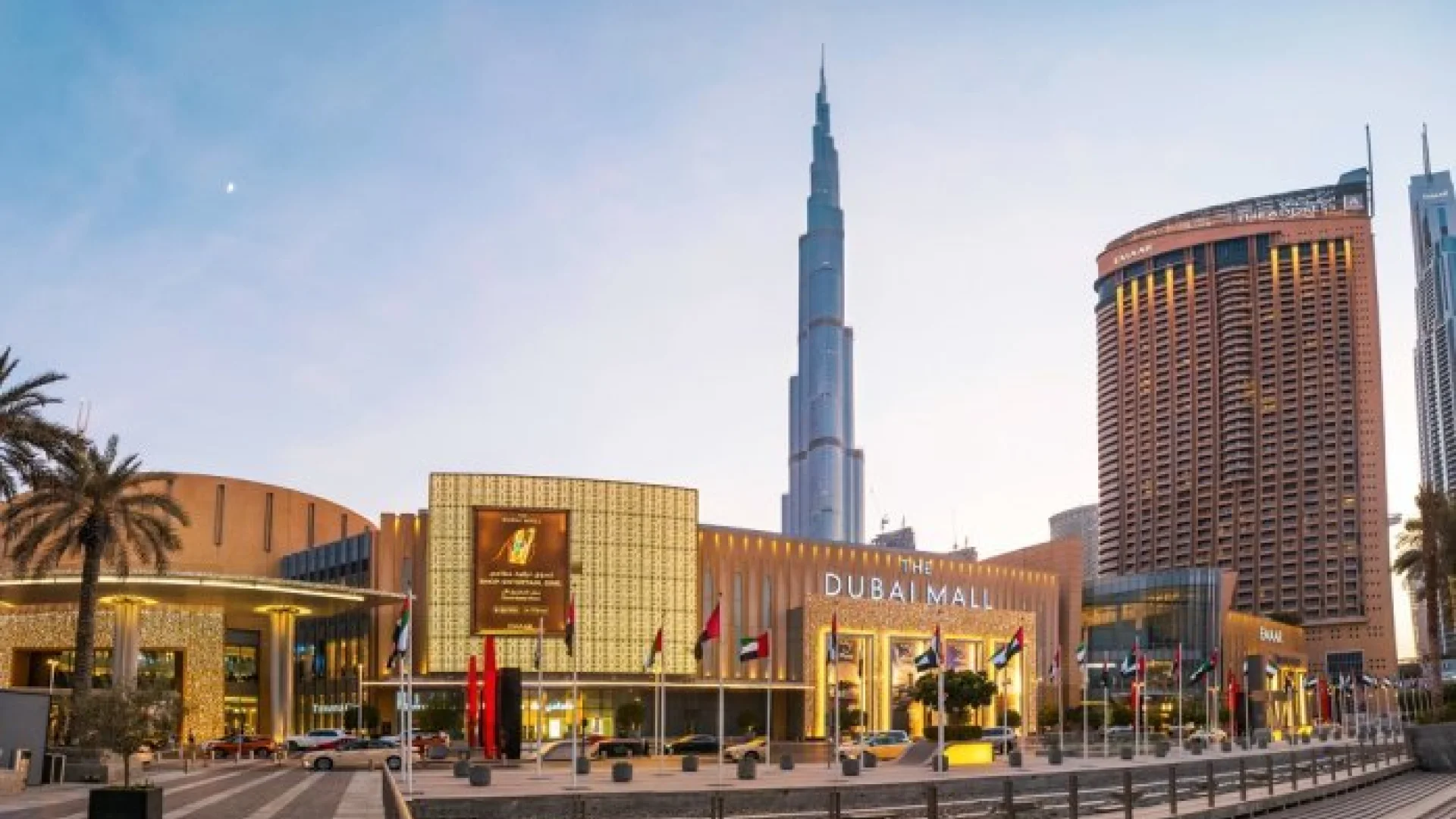
Walk through a premium mall and you’ll see the whole spectrum—global luxury counters with perfect lighting, and local houses where the sales associate doesn’t just offer a spritz but a conversation:
“Do you want the oud louder?”
“More amber?”
“Something that blooms in heat?”
That last question matters here. Dubai teaches you quickly that climate is part of perfumery. A composition that behaves politely in Paris can turn operatic in Gulf summer. And consumers in the region often know exactly what they want: presence, longevity, character.
Niche perfumery has been expanding for years, but the mood has shifted. Many shoppers—especially the ones driving premium growth—are tired of “nice.” They want “memorable.” They want a fragrance that feels like a place, a person, a scene. Something that doesn’t smell like a consensus.
Dubai’s timing taps into that demand. The Middle East has become a global influence point for scent trends, particularly in:
For independent brands, being visible in Dubai is no longer just about selling in the region—it’s about being part of a conversation that increasingly travels outward to Europe, Asia, and beyond.
Trade fairs compress time. In a single aisle you can feel months of product development, years of brand building, and entire distribution strategies collide in a handshake.
You see it in the small gestures: an owner carefully unscrews a cap as if it’s a secret; a buyer tests on skin instead of paper; a distributor asks about margins with the same calm tone someone else uses to describe jasmine.
The planned niche-fragrance fair in Dubai is designed to do exactly what the segment needs right now: create a professional stage for discovery and deal-making. It aims to bring together independent brands, retailers, distributors, concept store operators and the press—focusing on launches, networking and business matching. The promise is simple: fewer distractions, more relevance.
Dubai’s pull is geographic as much as cultural. It sits at a crossroads—logistically powerful, internationally connected, accustomed to hosting global business. For companies looking to grow across multiple territories, that matters. One trip can cover meetings with partners tied to Europe, the Gulf, Africa and South Asia.
And niche thrives on these crossovers. A French brand might discover that its crisp incense reads “minimalist luxury” in London but “cool elegance” in Dubai. A regional house might find a distributor who can place it in European concept stores. The point isn’t only sales—it’s translation, the way scent stories change as they travel.
Niche fragrance is, at heart, a refusal to flatten. It allows a rose to be sharp, an iris to be metallic, a vanilla to feel smoky instead of sweet. It invites risk.
Dubai is a city that understands risk as aesthetics. It understands the power of a statement piece—whether that’s architecture or a fragrance that turns heads in the first ten seconds.
Expect the fair to highlight that spectrum: minimalist musks, luminous citruses that flash like sunlight on glass, and deep resinous blends that feel like velvet in the dark. Expect regional brands to stand shoulder-to-shoulder with international independents—because the Middle East is not just a market anymore. It’s a creative engine.
Imagine the hall: a soft roar of voices, the faint scratch of pens on order sheets, blotters tucked behind ears, and the constant choreography of testing—spray, wave, wait, inhale, evaluate. In niche, the evaluation is almost always emotional first, commercial second. The best buyers know that.
In practical terms, a focused trade fair like this typically delivers:
But the real value is harder to bullet-point: the moment you smell something you didn’t know you were missing. The moment a buyer says, “We need this in our store.” The moment an independent founder realizes their small brand suddenly has a very big room to speak in.
A niche-fragrance trade fair might sound like a pure beauty-industry story—but events shape cities, and cities shape real estate. A recurring international fair can increase demand across retail, hospitality, logistics and flexible commercial space.
For investors, the key is to watch where lifestyle commerce concentrates: districts with premium retail infrastructure, strong hospitality supply, and easy access to exhibition centers. In a city like Dubai, a new international fair isn’t just an event—it’s an ecosystem signal. And ecosystems leave footprints in leasing, yields and development pipelines.