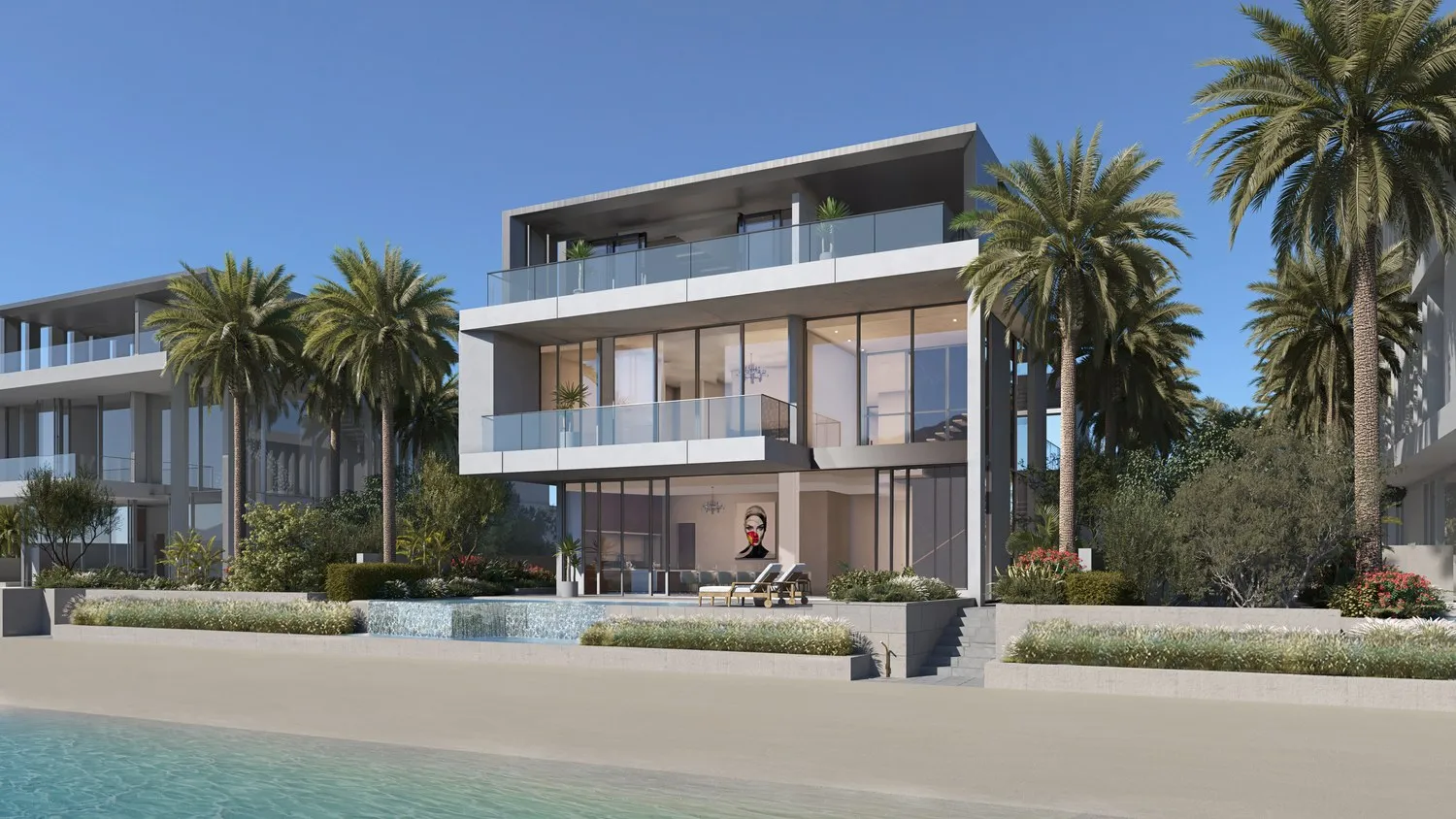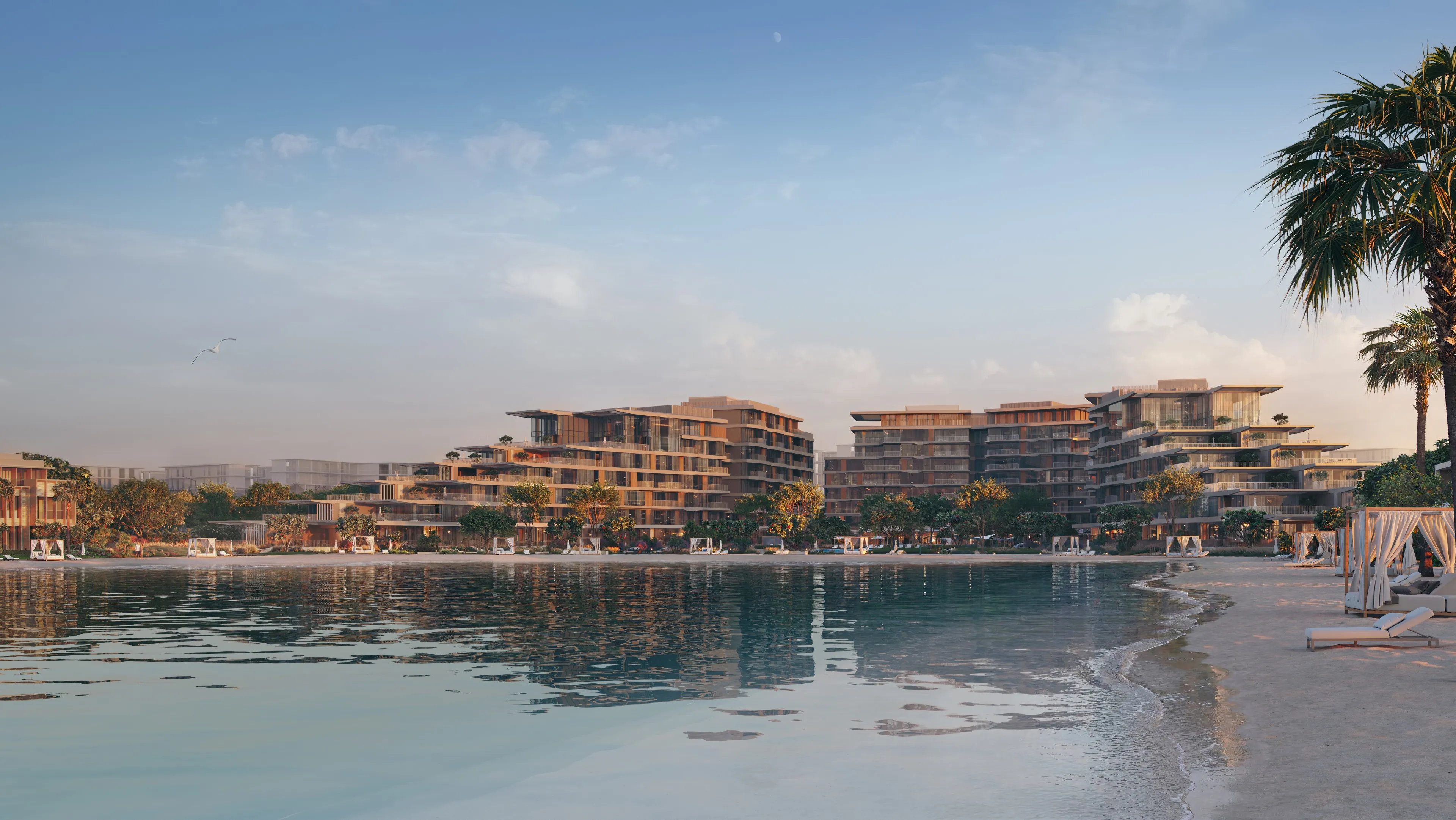
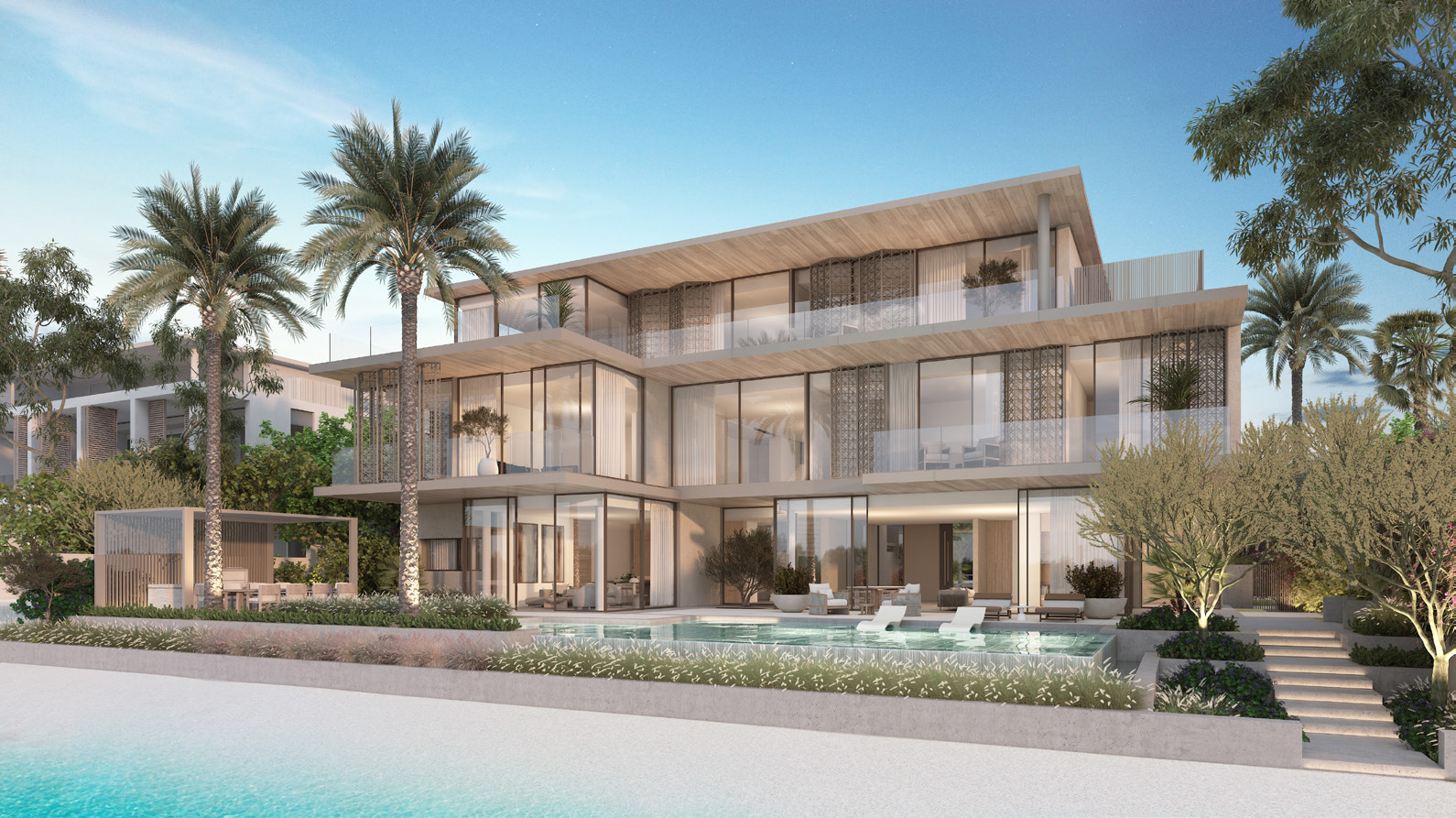
Palm Jebel Ali Villas
Exclusive Waterfront Villas on Palm Jebel Ali
Nakheel
Palm Jebel Ali
Q3/2027

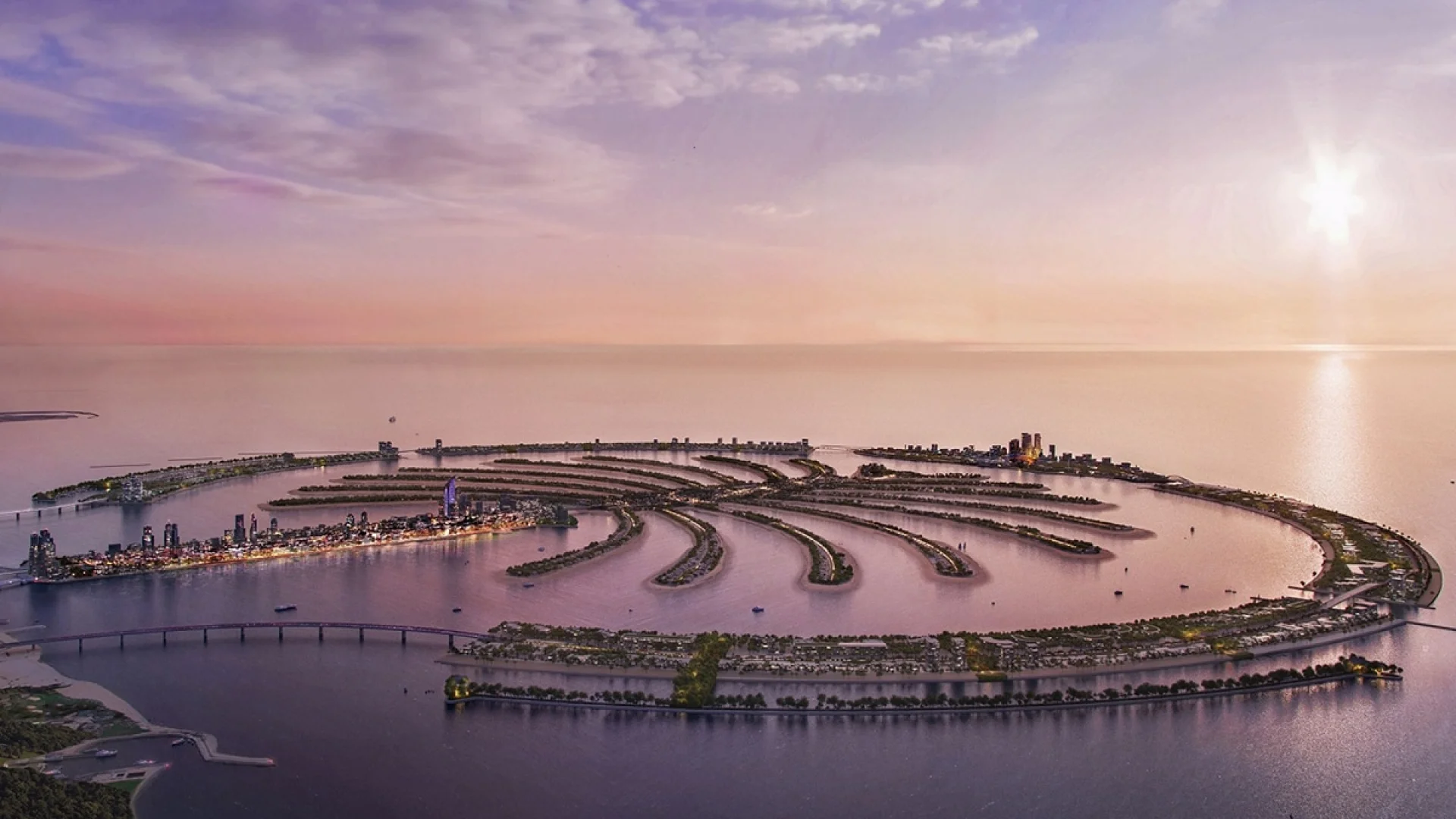

At the edge of the Arabian Gulf, Dubai’s next island chapter is moving from vision to construction. Nakheel has awarded an AED 381 million contract to build 176 beachfront villas on Palm Jebel Ali, marking another concrete step in the revival and delivery of the major coastal development. The project brings private homes, open horizons and direct access to the water together in one of Dubai’s most ambitious new waterfront destinations.
The first thing you notice is the horizon. It seems too wide, too clean, almost theatrical. Wind moves across the Gulf, carrying salt and heat, while the outline of Palm Jebel Ali stretches into the distance. For years, the island existed largely as an idea. Now the idea is acquiring roads, plots, contracts and, soon, homes.
Nakheel has awarded an AED 381 million construction contract for 176 beachfront villas on Palm Jebel Ali. The announcement is a practical milestone in the development of Dubai’s long-awaited second palm-shaped island. It is also a vivid reminder of what waterfront living means in this city: space, privacy and the sea placed directly outside the front door.
Picture the arrival. A gate opens. The house is quiet behind you. Ahead, there is no neighbouring tower blocking the view, only sand, water and changing light. In the morning, the Gulf catches the sun. By late afternoon, the shoreline turns gold. After dark, the villa becomes a private frame for the lights and movement of the coast.
Palm Jebel Ali was conceived as a large-scale expansion of Dubai’s coastline. After a period of delay, the project has returned to the centre of the emirate’s development story. Its renewed progress reflects Dubai’s continuing ambition to create new destinations for living, leisure and tourism while extending the city’s relationship with the sea.
The villa contract matters because it moves the project beyond broad announcements. Construction is the moment when a master plan begins to meet the ground. Engineers, contractors and supply chains become involved. Boundaries become buildings. A future neighbourhood starts to acquire a physical presence.
For the people who will eventually live there, the appeal is easy to understand. A beachfront villa offers a different pace from high-rise city life. There is room to step outside without leaving home. There is a private relationship with the shoreline. “Can you see the water from here?” will not be a question reserved for a sales brochure; it will become part of everyday life.
The 176 villas will form one of the residential components of Palm Jebel Ali. The project is intended to become more than a collection of individual houses. Its success will depend on how homes, streets, landscaping, services and shared spaces come together to create a coherent destination.
Numbers can make a development sound abstract. But 176 villas also mean 176 daily rituals. A family walking along the shore before breakfast. Friends gathering outdoors as the temperature softens. A child finding shells near the water. A resident watching a storm build over the Gulf from a shaded terrace. This is the emotional promise behind the construction figures.
Dubai has built much of its global image through dramatic real estate. Its skyline rises vertically, while its artificial islands push outward into the sea. Palm Jebel Ali belongs to that same tradition of bold coastal engineering, but its atmosphere is expected to be different from the dense urban core. Here, the strongest visual is not the tower. It is the open horizon.
That distinction is important for the property market. Waterfront homes are scarce by nature. A city can build more apartments, but it cannot create an unlimited supply of private shoreline. Carefully planned islands can therefore offer a distinctive product for buyers seeking exclusivity, outdoor space and a lifestyle associated with the coast.
Yet a beautiful view is only the beginning. A successful island needs reliable access, quality public spaces, supporting amenities and a sense of community. Palm Jebel Ali will be judged not only by the villas themselves but also by how convincingly the wider destination functions. The new contract adds an essential human layer to that future: real homes, real residents and the prospect of a neighbourhood taking shape.
For property investors, Palm Jebel Ali combines several powerful elements: a rare waterfront setting, a major master-planned development and Nakheel’s established position in Dubai’s landmark property sector. The AED 381 million contract is significant because it demonstrates tangible progress and reinforces the project’s long-term development narrative.
Beachfront villas are aimed at a limited, internationally minded buyer pool. Their appeal can come from scarcity, privacy and the prestige of owning property in a new coastal district. As infrastructure and surrounding development advance, the perception of the location may strengthen. That is the potential investors are watching.
There are also practical questions. Buyers and investors will follow construction progress, delivery schedules, access, service charges and the pace at which the wider island becomes operational. New destinations are built in stages, and their investment story unfolds over time. Palm Jebel Ali is therefore not simply a purchase of a house beside the sea. It is a bet on the emergence of an entirely new Dubai address.
For now, the image remains wonderfully simple: 176 villas facing the Gulf, backed by an AED 381 million contract and a much larger urban ambition. Where there was once only a line on the horizon, Dubai is beginning to draw a neighbourhood.