
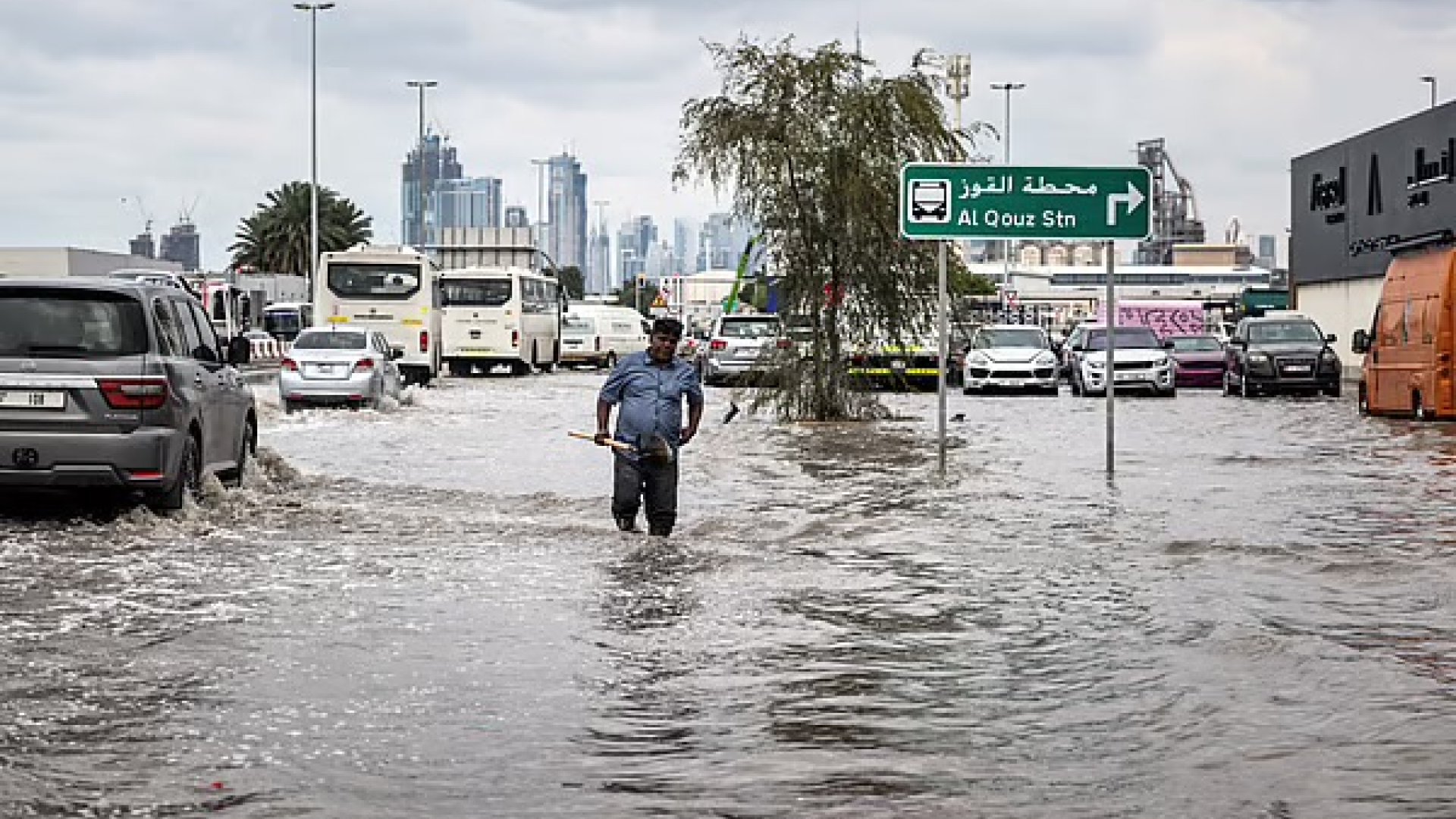

Dubai’s skyline is built for the sun, but this week the city listened to rain—hard, insistent, everywhere. As unstable weather hit, Dubai Police answered more than 39,000 calls in just two days, turning emergency lines into a live control room for a drenched metropolis. Each ring carried a small crisis: a stranded driver, a blocked access road, a worried resident asking what’s safe. The number is big, but the story is human—speed, coordination, and a city leaning on the voice at the other end of the line.
The first thing you notice isn’t the water. It’s the sound.
Rain in Dubai doesn’t arrive like a polite visitor. It announces itself—drumming on roofs, smacking against glass, turning the familiar hush of air-conditioned corridors into a background of restless, metallic rhythm. On the streets, wipers swipe like metronomes. Brake lights glow longer than usual. And somewhere, behind a desk lit by screens and blinking notifications, phones begin to ring with the urgency of a city trying to keep its footing.
“We can’t move.”
It’s a short sentence, the kind that lands heavy. Over the course of two days of unstable weather, Dubai Police answered more than 39,000 calls—a surge of emergency requests, safety questions, incident reports, and coordination messages. The figure reads like a headline. In the moment, it sounds like thousands of voices speaking at once, each trying to pin down the same thing: What do I do next?
“Unstable weather conditions” is the phrase you see in official updates. Out on the road, it’s less a phrase and more a feeling—of plans dissolving. Of routes that usually behave suddenly refusing to cooperate. Of underpasses and access lanes turning into question marks.
In those moments, the emergency line becomes more than a number. It becomes the city’s nervous system. A place where information is collected, sorted, prioritized, and pushed back out into the streets—through patrols, responders, and guidance that helps people avoid turning a bad situation into a dangerous one.
You can picture the rhythm inside the operations rooms: a caller explains between breaths; a dispatcher narrows it down—location, severity, immediate risk. Another screen lights up. Another team is redirected. Outside, the rain keeps writing its own rules.
Behind every call is a small, sharp scene. A driver staring at water creeping toward the doors. A resident looking down from a balcony, watching an access road blur into a shallow stream. A staff member at a building entrance counting arrivals and wondering which drop-off point is still workable.
Some calls are urgent. Others are about reassurance—about clarity. In extreme weather, uncertainty can be as disruptive as the storm itself. People don’t just need help; they need a map made of words.
Handling that volume in two days is a test of stamina—and systems. It’s not only about sirens and uniforms. It’s about communication as a form of public safety: the ability to listen fast, decide faster, and keep the city’s moving parts from locking up.
There’s a strange intimacy to emergency calls. They compress a city into moments: fear, urgency, confusion, relief. On days like these, Dubai becomes a mosaic of coordinates and voices—each one a dot on the map that needs attention, advice, or a response.
And if you’ve ever been caught in a sudden downpour, you know the feeling: you don’t want a lecture. You want one clear instruction. One safe option. One person who sounds like they can see the bigger picture.
That’s what these 39,000 connections represent. Not just pressure on the lines, but a kind of real-time choreography—keeping access open where possible, guiding people away from risk, and turning thousands of individual problems into one managed operation.
When the rain finally eases, the city resets quickly—Dubai always does. But the memory lingers: of a skyline blurred by sheets of water, of roads that demanded patience, and of phones that rang like floodlights, cutting through uncertainty with a human voice.
Episodes like this also spotlight a key property question: how resilient is a building when the weather stops behaving? For owners, tenants, developers, and investors, resilience isn’t a buzzword—it shows up in access, drainage, and how well a property is operated under stress.
In market terms, buildings that stay functional—and feel safe—during disruption tend to protect occupancy, reputation, and long-term value. The storm passes. Performance stays on record.