The grandstand at Meydan glows like a spaceship in the desert night, and this winter it will welcome around 300 world‑class racehorses from 19 different countries. Dubai’s Racing Carnival turns the city into a global equestrian crossroads, where European turf specialists meet Gulf sprint stars and jockeys chat in half a dozen languages in the same saddling ring. Over a series of high‑profile meetings, the Carnival showcases Dubai as a serious player in international flat racing and as a lifestyle destination for owners, fans, and investors alike. Beyond the roar of the crowd and the thunder of hooves, the event also puts a spotlight on Meydan’s transformation into a year‑round community of hotels, restaurants and homes that overlook one of the most spectacular racecourses in the world.
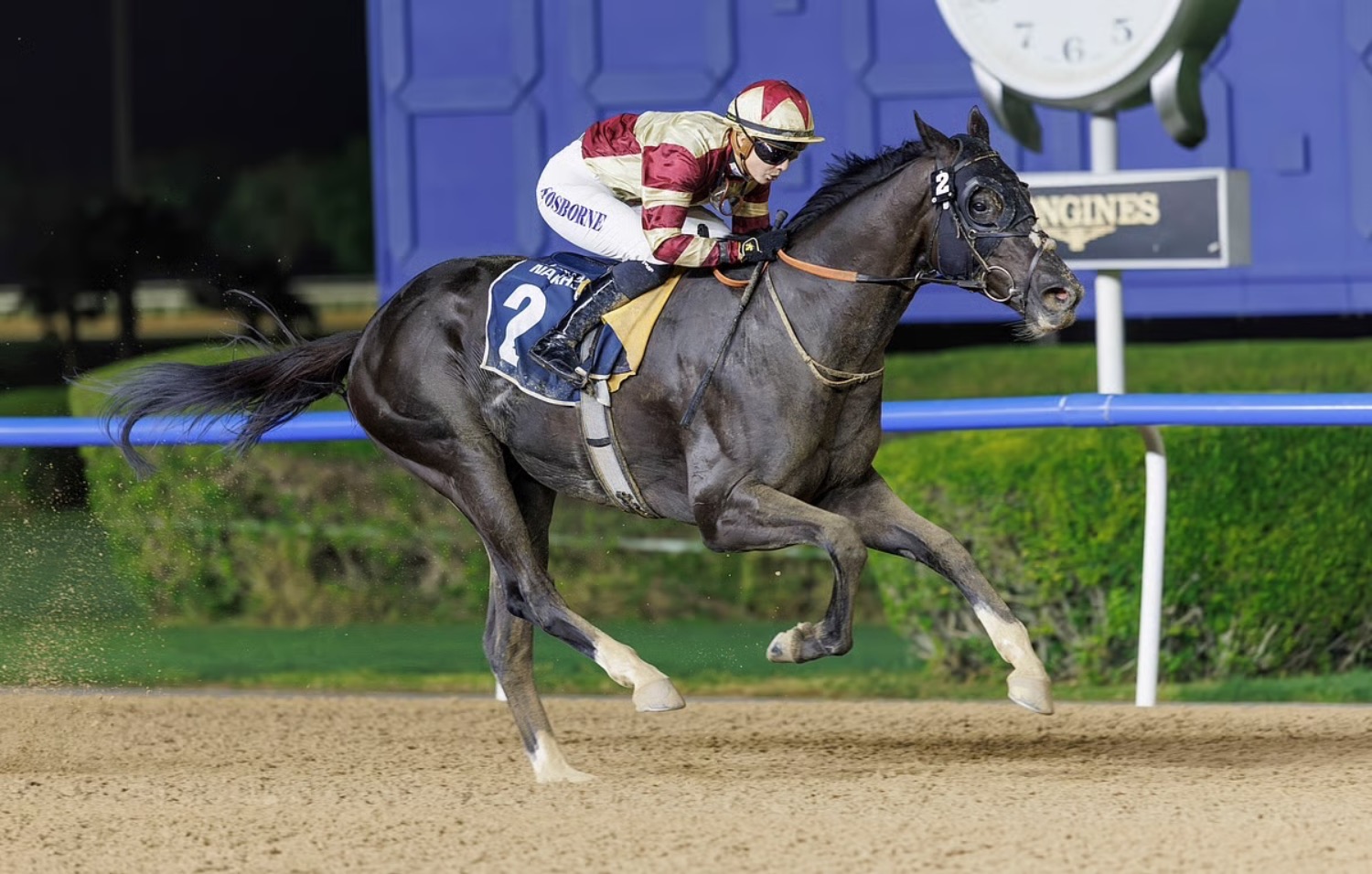
The first thing you notice is the sound. Not the crowd, not the music, but the deep, rolling thunder of hooves echoing against the glass facade of Meydan’s mile‑long grandstand. Under the floodlights, the dirt track shines copper, jockey silks flash like neon, and for a few racing‑mad seconds, Dubai could just as well be Hong Kong, Newmarket or Kentucky — except that here, desert night and city skyline share the same frame.
This winter, that scene will repeat again and again as Dubai’s Racing Carnival swings into action. Around 300 horses from 19 countries are set to stable at Meydan, turning the racecourse into a temporary village of accents, routines and rivalries. Boxes will carry labels that read "Ireland", "France", "Japan", "USA" and beyond, each door hiding a different training philosophy, a different dream of crossing the finish line first.
Walk through the stable block on a cool Dubai morning and the world feels suddenly small. An assistant trainer in a wool beanie is explaining trackwork in rapid French. A groom from South America hums quietly as he plaits a bay’s mane. Two Emirati owners lean on the rail, speaking softly in Arabic, eyes fixed on a chestnut as it sweats under a slow canter.
This is what the Racing Carnival has grown into: a winter home for international racing. Instead of standing in frozen paddocks in Europe or training through rain in Asia, connections ship their best horses to the Gulf’s mild, dry climate. The reward is a programme of rich races over turf and dirt, from explosive sprints to stamina‑testing middle distances, all laid out in front of one of the most futuristic grandstands in sport.
For many trainers, the Carnival is not just about prize money. It is a launch pad. A strong run here can set up a horse for a full campaign in the region or act as a stepping stone to the world‑famous Dubai World Cup night later in the season. For emerging jockeys, Meydan’s long, sweeping stretch — unforgiving to the impatient — is a place to prove they can time a run to perfection on the biggest stage.
As the sun slips behind the grandstand, the racecourse shifts character. The training calm of the morning gives way to the buzz of race night: shuttle buses dropping off fans, the chatter of families heading for the food stalls, the low murmur in the owners’ lounges. A group of tourists from Europe lines up at the rail with their phones ready; behind them, seasoned local punters argue politely over form guides and sectional times.
Part of the lure is that Meydan is built for spectacle. The glass and steel grandstand seems to float over the track. The infield glows with giant screens replaying every move in ultra‑slow motion. From the hospitality terraces, guests watch the city lights flicker in the distance while waiters glide past with trays of canapés. Even if you do not know the difference between a maiden handicap and a Group 1, it feels like an event you want to be part of.
For international visitors, the Carnival offers an unusual double act: elite sport and winter sun. A day might start with breakfast under palm trees, continue with a wander through old Dubai or a shopping stop in Downtown, and end with a night at the races where the soundtrack is a mix of pounding hooves, race calls and a dozen languages celebrating or lamenting each result.
Behind the glamour, the scale of the operation is almost invisible. The article highlights how bringing in hundreds of horses from 19 countries means choreographing flights, quarantine, feed, vets and grooms as carefully as any big race. Cargo planes touch down with equine passengers who are worth more than luxury cars; within hours, they settle into air‑conditioned barns a short walk from the track.
There is a quiet rhythm to the mornings that racegoers rarely see. Coffee in paper cups steams in the cool air. Trainers stand almost motionless at the rail, binoculars locked on their string. An exercise rider pulls up, breathing hard, and mutters a verdict: "He liked the surface. He’ll be sharper next time." Notes are scribbled, plans adjusted, targets picked.
That blend of high stakes and small, intimate moments is what makes the Carnival feel different from a single blockbuster race day. Horses arrive, learn the track, improve, surprise. Fans begin to recognise colours and names. A sprinter from one side of the world becomes a crowd favourite on the other side in just a few starts.
Sport, of course, is never just sport in a city like Dubai. An event that attracts horses, owners and fans from 19 countries is also a calling card. It reinforces the UAE’s image as an international hub where business meetings can happen in the morning and a top‑class race under the lights can follow in the evening. Hotels fill rooms, restaurants fill tables, and the grandstand becomes a place where deals are as likely to be made in the suites as they are in downtown boardrooms.
For local racing fans, there is a different kind of pride: seeing Dubai mentioned in the same breath as other world racing capitals, and watching home‑trained horses line up against global powerhouses on level terms.
The Racing Carnival does more than light up the sporting calendar — it also shines a spotlight on the neighbourhood around Meydan. Step outside the track complex and you are in a district that has quietly grown into one of Dubai’s most intriguing lifestyle and investment addresses.
On non‑race days, the same glass grandstand looks out over calm green infield lawns, cycling tracks and newly built communities. Modern villas and low‑rise apartments arc around the course, many with balconies aimed straight at the finish line. During major meetings, residents invite friends over, sliding open terrace doors so that the roar of the crowd becomes part of the living‑room soundtrack.
For property buyers and investors, this setting offers a rare mix:
Racing season creates spikes in hotel demand and short‑stay rentals, giving owners additional options beyond standard long‑term leases. Over the longer term, each new international announcement — 300 horses from 19 countries this year, more top‑tier races, expanded facilities — reinforces Meydan’s position not just as a racecourse but as an urban destination.
For those who love both sport and city living, owning a home where you can watch the Carnival from your balcony is more than a lifestyle perk; it is an investment in a district whose story is still unfolding with every season under the lights.