
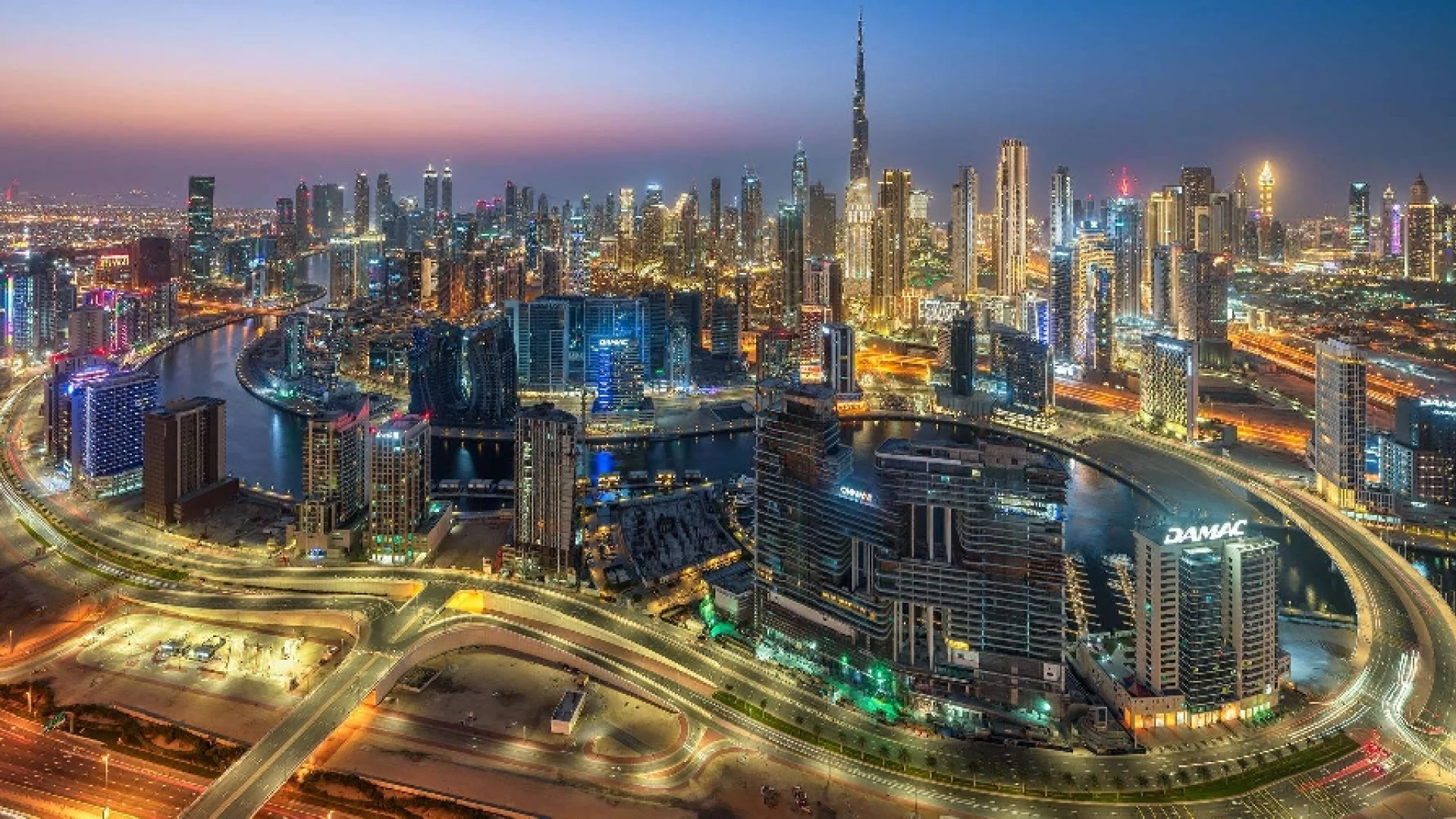

Before the heat rolls in, queues form outside sales galleries – the clearest sign yet of a humming first half of 2026. Off-plan launches light up screens with sold tags, ready homes welcome suitcases and Wi‑Fi routers, and rentals lean firm as end-users and investors move fast. Quality is the new currency: smarter layouts, greener specs, better-managed communities. Momentum is unmistakable – the only question is how to ride it without chasing shadows.
The doors slide open with a soft hiss. Fresh coffee, cool air, the faint thrum of the Marina just outside. A dozen buyers lean over a scale model, tiny towers lit from within. “Any two-beds with water views?” a young man asks, thumb hovering over his banking app. The agent taps a touchscreen. Red dots bloom across a digital stack. “Corner units left. Decide now and I’ll lock it.” Two signatures later, another sparkle of red. It’s not yet 9 a.m.
This is what H1 2026 feels like in Dubai real estate: brisk, focused, occasionally breathless. Off-plan lounges buzz. Handover teams ferry keys and welcome packs. On construction sites, cranes swivel like metronomes in a blue sky – a crane ballet over sand and sea. In between, mortgage brokers, listing agents, and property managers live in their WhatsApp threads, racing to match buyers to slots, homes to timelines, budgets to plans.
Demand comes in layers. Young professionals chase efficient one- and two-bed apartments near the Metro and offices. Families hunt townhouses with a patch of grass and weekend parks. And at the top, where penthouses meet the horizon, the view becomes an argument in itself: private pools, concierge desks, and brand badges that read like five-star passports.
“Pre-approvals are way up,” a broker says in Downtown, swiping through loan options on a tablet. “Clients show up prepared. They’ve researched the comps, they know their ceiling, and they move.” A development executive nods. “We’re phasing launches to keep rhythm and choice.” On the buyer side, a shift: “We planned to rent, but a fixed payment for a place we own felt right,” says a couple with a pram parked by the model tower.
Neighborhoods write their own stories. Along the coast, sunsets work overtime as the city’s most persuasive closer: Palm promenades, beach clubs, benches filled with after-work joggers. Up by the Creek, glass towers edge the water with new boardwalks and café strings. Inland, family districts deliver fresh schools, shaded playgrounds, and Saturday markets. To the south, proximity to the airport and logistics hubs draws professionals who want ten-minute commutes and business-class convenience at home.
Quality is front and center. The best floor plans waste less corridor and gift more living room. Kitchens act like social stages. Loggias turn into outdoor studies. Screens inside sales suites flash smart thermostats, solar-ready roofs, car chargers, and community apps. “Sustainability isn’t a fringe request anymore,” an architect says, tracing her finger along a louvered façade. “We’ve got all this sun. Good design makes it an asset, not a burden.”
Questions remain, as they should. Will the supply pipeline hit calendars as promised? Do construction costs stay in line? How do global rates and currency swings color financing and international appetite? The market, seasoned by cycles, gets savvier each year. Buyers double-check developer track records and escrow setups. Investors model real yields after service charges and vacancy assumptions. Renters, now better informed, compare fit-outs and travel times as closely as prices.
Inside a property management office, handover bags pile up – key cards, fobs, Wi‑Fi codes. “Ten handovers this week,” a manager says, rattling a bundle. “Four rented out on the spot.” A first-time investor from Europe signs his last page, exhales. “It’s tangible,” he says. “I see the tower, the park, the supermarket. I can picture who lives here.” That image – not just numbers on a spreadsheet – is driving decisions: homes as lived experiences, not abstractions.
On Sheikh Zayed Road, traffic flows like liquid chrome. New billboards promise sunrise paddle sessions and late-night ramen under twinkling lights. The city’s message is unsubtle and effective: this is happening now. As the sun drops and the Marina turns neon, the day’s last consultations press on inside the showroom. “One last thing,” a buyer asks, “could we bring the handover date forward?” The agent smiles. “If the cranes keep dancing like this, we’ll try.”
If you’re looking to act while momentum is hot, plan for clarity, not speed. The right match comes from aligning product, place, and purpose.
The crane ballet tells a clear story of motion. The best returns go to those who learn its rhythm – and step in time.