
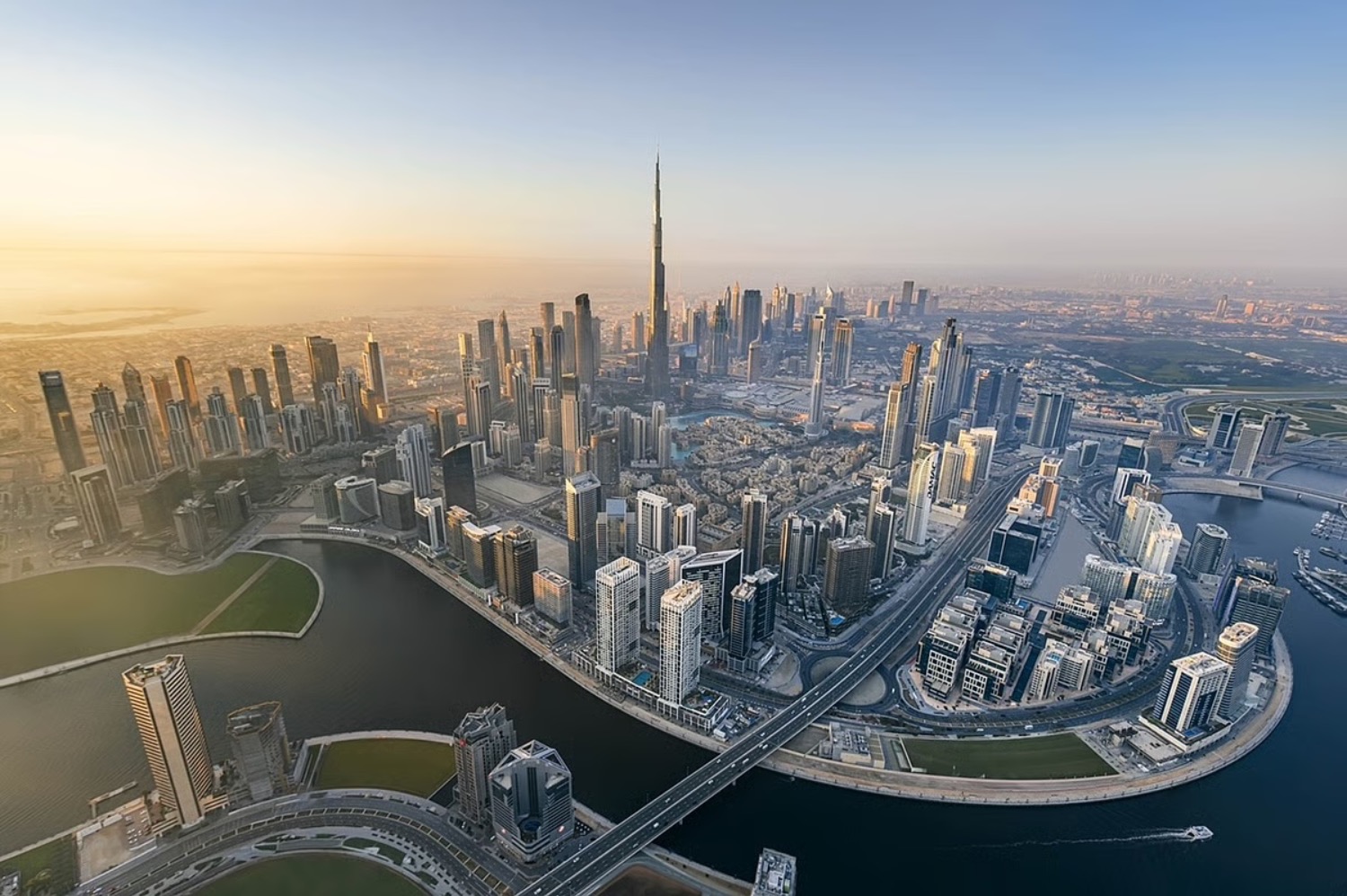

On a single November morning in Dubai, apartments, villas and off-plan dreams worth millions of dollars were snapped up before the city’s coffee cups had even cooled. By the end of the month, more than $17.5 billion in property had changed hands – one of the most intense trading sprees the emirate has ever seen in just 30 days. Official data show thousands of deals across the city, from glittering high-rise towers to low-rise family communities, revealing which areas and projects are capturing global capital right now. Behind the numbers lies a simple story: Dubai has cemented itself as one of the world’s most dynamic, emotionally charged and opportunity-rich real estate markets.
The sales office is already humming at 8:45 a.m. A scale model of a future waterfront district glows under spotlights, tiny glass towers reflected in a mirror-black lagoon. A young couple in workwear leans over the model, whispering. Next to them, an investor in a navy suit taps impatiently on his phone.
“This is the last corner unit with full skyline view,” the agent says, circling a miniature tower with a silver pen. The buyer doesn’t hesitate for long. A few signatures, the beep of a card machine – and another slice of Dubai’s future skyline changes hands.
Scenes like this played out thousands of times across the city in November. By month’s end, Dubai’s real estate market had crossed a staggering threshold: more than $17.5 billion worth of property sold in just one month, according to official transaction data. It’s a number that turns heads even in a city accustomed to superlatives.
The figure is more than just a headline; it’s a snapshot of a city in full acceleration. In November alone, Dubai recorded thousands of property deals, from compact studios to palatial villas and sprawling off-plan projects. The total value smashed through the $17.5bn mark, underlining how deep and broad buyer demand has become.
Behind that number lies a powerful mix:
For agents, brokers and developers, November felt less like a month and more like a marathon. Launch events turned into standing-room-only affairs. Viewing schedules ran back-to-back. Owners who had been waiting for the “right moment” to sell suddenly found a crowd of eager buyers at their door.
Zoom in on the city map and the story becomes even more vivid. Certain neighbourhoods shone brighter than ever, dominating the transaction charts and setting the tone for where Dubai’s next chapters will be written.
Waterfront districts – the ones with boardwalks, marinas and endless views – once again drew a disproportionate share of attention. Towers hugging the shoreline saw a rush of apartment deals, as buyers chased sunrise views and short walks to the beach. Just inland, high-energy business districts and lifestyle hubs remained on investors’ radar, powered by their mix of offices, hotels, restaurants and residences.
Then there are the master-planned communities on the city’s expanding edges. Here, the November data shows strong momentum in villa and townhouse projects, especially those wrapped around parks, schools and retail promenades. Wide streets, cycling tracks, dog parks – they may not be as glamorous as sky-high penthouses, but they are exactly what a growing population of young families is looking for.
Within these hotspots, certain flagship projects stand out. Large integrated developments with their own retail streets, clubhouses and branded amenities attracted both end-users and yield-focused investors. Off-plan towers with flexible payment plans, and communities marketed as “resort-style living,” saw heavy reservation traffic throughout the month.
Ask ten people why Dubai’s real estate market is on such a roll and you’ll hear ten different answers – but together, they form a clear picture. November’s $17.5bn in deals is the product of several powerful trends lining up at once.
All of this is layered on top of something more emotional: people simply enjoy living here. Between winter beach days, vibrant restaurant scenes and constant new openings, property purchases in Dubai are rarely just financial – they’re lifestyle decisions.
Behind every line in November’s transaction report is a real story. A family trading up from an apartment to a townhouse with a garden. A first-time buyer locking in a compact studio as a foothold in the market. A global investor shifting capital from uncertain markets into a city where cranes still punctuate the skyline.
In many sales offices, the same patterns repeated: a sense of urgency, shorter decision cycles, and buyers who had done their homework before walking through the door. Digital platforms and government data portals have made it easier than ever to compare prices, yields and communities. By the time they sit down in front of a floor plan, many buyers already have a shortlist – and a clear sense of what they’re willing to pay.
For investors and end-users alike, November’s $17.5bn milestone is both a signal and a warning. It confirms that Dubai remains one of the world’s most active property markets – but it also means competition for the best assets is intensifying.
November’s performance suggests that Dubai’s property story is far from over. As new projects launch and established districts mature, the city continues to reinvent what urban living in the desert can look like – one deal, one tower, one family move at a time.