

Dubai’s ultra-luxury property market is still moving at the fastest pace in the world, even as momentum eases. The city continues to lead global sales of homes priced at $10 million or more, ahead of established luxury destinations. Yet buyers are becoming more selective, making location, scarcity, design and long-term quality more important than ever.
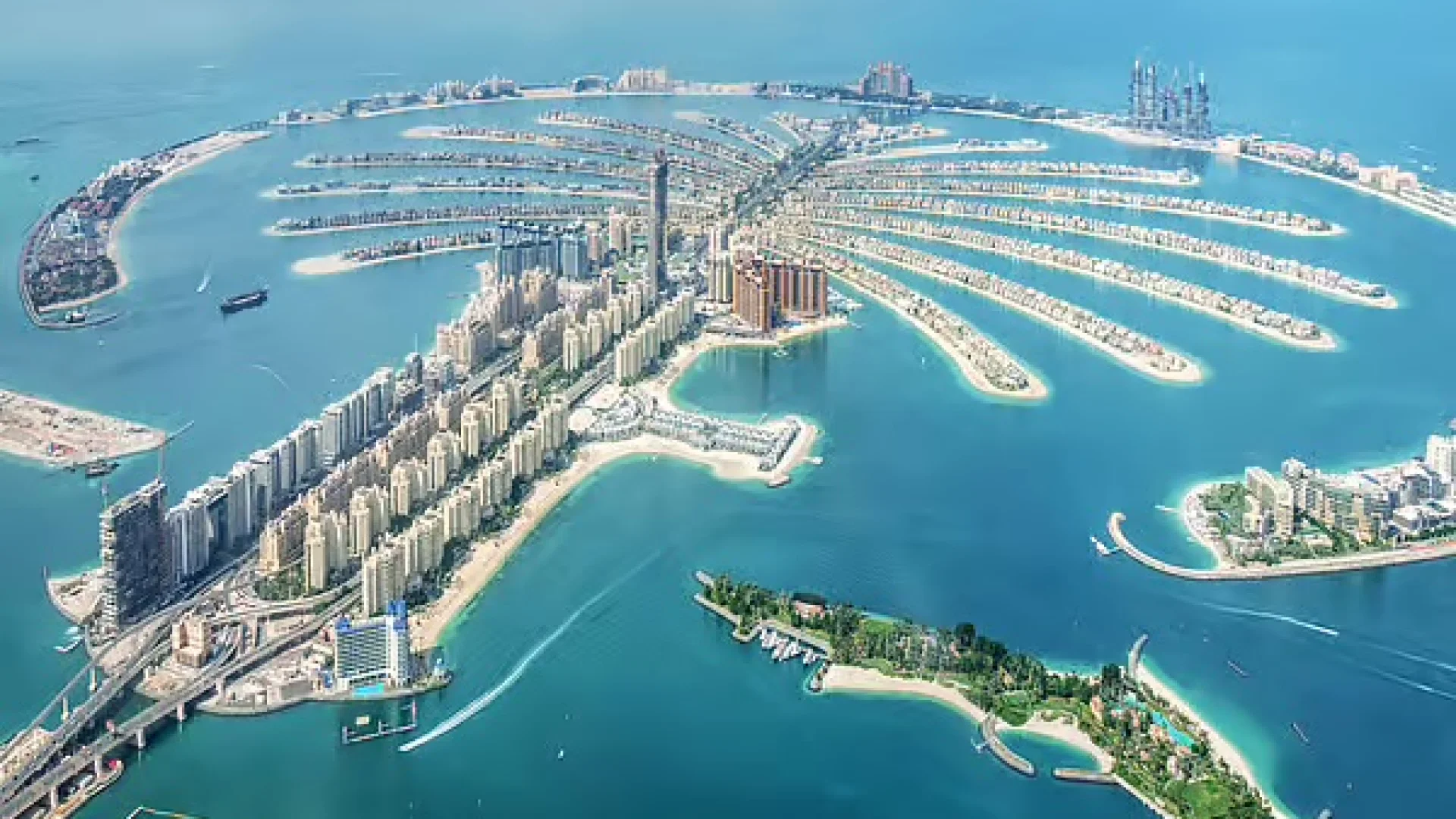
Sunlight spills across the glass towers of Dubai Marina. On Palm Jumeirah, a black SUV stops outside a waterfront villa. A couple steps out, looks toward the sea and asks, almost casually: “How far is the beach?” The answer is measured in footsteps. In Dubai, luxury begins before the front door.
That combination of spectacle, convenience and international appeal is keeping the city at the top of the ultra-prime residential market. According to the market data cited in the article, Dubai remains the world’s busiest market for homes priced at $10 million and above. No other city matches its transaction activity in this narrow but highly visible segment.
The achievement comes with a qualification. The market is cooling. After several years of rapid price growth and record-breaking deals, the pace has moderated. Luxury has not disappeared; urgency has.
For years, Dubai’s prime districts seemed to move at full speed. Villas on Palm Jumeirah, penthouses around Downtown and residences in exclusive gated communities attracted buyers from Europe, Asia, Russia, India and across the Middle East. They were not simply purchasing rooms and terraces. They were buying privacy, security, convenience and a place in one of the world’s most connected cities.
Today, the questions are sharper. Is the view protected? How rare is the plot? What are the service charges? Can the property be resold easily? A home must offer more than space. It needs a compelling location, distinctive architecture, quality finishes and an experience that cannot be replicated by the next launch.
“Is there room on the price?” is a question sellers are hearing more often. The days when every luxury villa could automatically command a new record are over. Negotiation has returned, even at the top of the market.
The city’s appeal rests on a powerful mix of practical and emotional advantages. Dubai offers global air links, modern infrastructure, international schools, high-end healthcare, restaurants and hospitality on a scale familiar to mobile wealthy households.
There is also the Dubai effect: the city sells a lifestyle as much as a property. Morning on the beach, lunch in a tower, an evening drive along the coast – the rhythm is easy to imagine and easy to market. For many buyers, a Dubai home is a base for business, family life and global travel at the same time.
At first glance, Dubai appears to have an endless supply of luxury real estate. Cranes rise everywhere, and new projects are announced constantly. Yet truly irreplaceable addresses remain limited. A first-line beach plot cannot be manufactured. A protected skyline view cannot be added after construction. Privacy, access and orientation matter.
This is why the market is separating more clearly between exceptional homes and ordinary luxury stock. A carefully designed penthouse with a large terrace, private lift and uninterrupted view may still draw immediate interest. A costly apartment with generic finishes and a weak outlook can sit for much longer.
A cooling market does not necessarily mean a crash. It can mean normalization after an unusually strong expansion. Price growth slows, buyers regain choice and sellers must support their expectations with evidence. In that sense, the current phase may be a sign of maturity.
For agents, the message is simple: storytelling is no substitute for substance. A glossy brochure cannot compensate for poor access, high running costs or a compromised view. Buyers are spending more time comparing completed transactions, construction standards, building management and future resale prospects.
“The view is beautiful,” a prospective buyer says on a terrace overlooking the Gulf. “But what makes this home different?” That question captures Dubai’s market today.
Investors are increasingly looking beyond rapid appreciation. Location, construction quality, operating costs, rental demand and resale liquidity now matter just as much as headline price. Waterfront homes, established luxury districts and genuinely limited developments remain the most defensible parts of the market.
Dubai’s luxury market still shines, but the light is more selective now. The city remains the busiest global arena for $10 million-plus homes. Yet success depends less on moving quickly and more on recognizing what is truly rare. The towers still glitter after sunset. The market is simply asking better questions.