
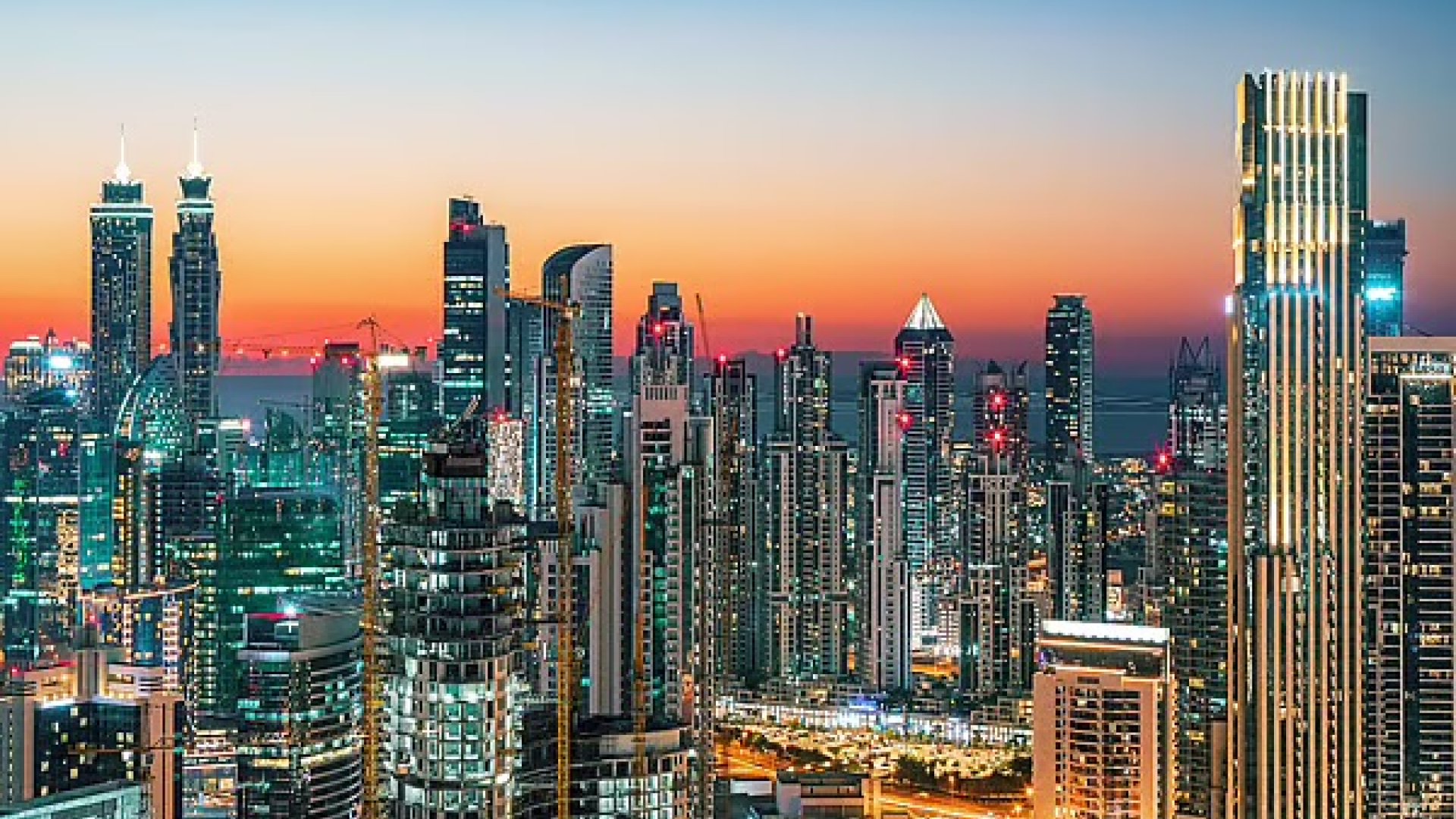

At sunset, Dubai’s towers turn copper and the city feels like it’s holding its breath—right as renewal notices and new listings start circulating again. Market expectations now suggest Dubai’s rents could climb by around 6% through 2026, with population growth and sustained demand keeping pressure on well-located, well-managed buildings. The story is not uniform: prime communities and “ready-to-live” stock tend to command the strongest gains, while secondary areas can be more negotiable and quality-sensitive. For residents and owners alike, the next two years look less like a sudden spike and more like a steady, insistent lift.
The lobby smells faintly of polished stone and expensive coffee. Outside, the heat is still trapped in the pavement, but inside the air is crisp enough to make you pull your shoulders back. A security guard nods. An elevator pings. And somewhere between the 23rd and 41st floor, the same question is being asked across the city—quietly, urgently, on phones and in lift mirrors:
“What are they going to renew at?”
Dubai is a city that measures time in cranes and handovers, in new bridges and freshly planted palms. But renters measure time differently: by contract dates, cheque schedules, and the moment a landlord’s message lands with a number attached. This year, that number is expected to keep creeping up. Not dramatically everywhere. Not in a single wave that lifts all boats. More like a tide that keeps returning—predictable, persistent, reshaping the shoreline bit by bit.
Market projections indicate that Dubai rents could rise by roughly 6% by 2026 on average, supported by continued population growth and ongoing demand for housing in established communities. Six percent sounds tidy, almost modest. Yet in real life it’s a new annual total to swallow, a recalibration of budgets, a fresh round of “Should we move?” conversations at kitchen counters.
And in Dubai, those conversations happen fast. People arrive quickly—new hires, entrepreneurs, families following careers. Neighborhoods that feel calm today can be buzzing tomorrow. A school opens. A metro link becomes the deciding factor. A cluster of cafés turns a quiet street into a weekend destination. Demand doesn’t just increase; it concentrates.
At a viewing in a high-rise near a transit line, the agent keeps the door propped open with a shoe. Shoes off, shoes on—everyone moves with practiced speed. A couple stands by the window, looking down at the traffic, then back at the kitchen countertop.
“Is it available now?” she asks.
“If you like it, we can reserve today.”
That’s the energy the market tends to produce when demand stays strong: decisions compress. The negotiation shifts. Instead of fighting over every dirham, tenants bargain on terms that make life workable:
Meanwhile, landlords who have a clean, well-run unit—good AC, responsive building management, a lobby that looks like it’s cared for—discover they don’t need to sell the dream. The building does it for them.
Dubai’s rental market is rarely about a single trigger. It’s a system. When the city adds residents, it adds households, and households need doors to close at night—studios for newcomers, two-beds for young families, larger layouts for multi-generational living. Population growth expands the baseline of demand. It’s the kind of force that doesn’t always make noise, but it keeps pushing.
That push becomes most visible in prime communities: places with reliable infrastructure, established retail, easy commutes, and a sense of daily convenience. In those pockets, the rental market can feel like a queue. In more peripheral or inconsistent areas, it feels like a shop window—browse, compare, wait for a better deal.
Dubai isn’t one rental market. It’s dozens. Maybe hundreds. Each tower, each cluster of buildings, each community has its own reputation—some earned, some exaggerated, all influential. Two identical floor plans can rent differently depending on what the hallway smells like, how quickly maintenance responds, whether the gym actually works, whether the pool is a joy or a constant closure notice.
This is why an “average” forecast needs translation. If the citywide direction points upward, the distribution of that growth is what matters:
Tenants feel this in the smallest details. A friend renews with a noticeable increase. Another gets a flat renewal because their building suddenly has competition. Someone else moves two streets over and pays less, but spends more time commuting. In Dubai, the math is never only about rent.
When a market matures, quality becomes a pricing engine. Not luxury—quality. The building that’s managed well. The apartment that’s handed over cleanly. The landlord who answers. The community where the sidewalks are lit, the signage makes sense, the parking doesn’t feel like a daily fight.
As rents trend upward, tenants become sharper judges. They don’t just ask, “Can we afford it?” They ask, “Is it worth it?” And that question can split the market in two: homes that feel frictionless, and homes that feel like work.
Rent increases are easier to handle when you see them coming. The tenants who do best are rarely the luckiest—they’re the ones who plan.
Sometimes the smartest move is not chasing the cheapest listing. It’s choosing the apartment that keeps your life calm.
In a market with projected upward momentum, landlords may assume demand will do all the work. It won’t. The units that outperform are the ones treated like a long-term asset, not a short-term win: preventative maintenance, sensible upgrades, transparent communication, and fair, documented renewals.
As Dubai keeps attracting residents, the opportunity is clear—but so is the competition. A tenant who pays more expects more. And they talk: in group chats, in office kitchens, in relocation forums. Reputation, in Dubai, travels at highway speed.
For investors, the expectation of roughly 6% rental growth by 2026 strengthens the case for Dubai residential income—especially in segments where demand is structurally supported by population growth and employment hubs. However, the “average” hides dispersion: returns will likely be won through micro-location selection and operational execution.
1) Income outlook (cashflow): A steady upward rent path can improve net yields, but only if costs are controlled. Investors should underwrite with realistic assumptions for service charges, maintenance cycles, and vacancy. Buildings with high fees can dilute headline rent growth quickly.
2) Asset selection: The clearest beneficiaries are typically well-connected, amenity-rich communities with proven rental liquidity (fast re-letting). “Move-in-ready” units in reputable towers often capture stronger pricing power than units in buildings with operational issues.
3) Value-add opportunities: In quality-sensitive markets, light renovations, professional furnishing, and better property management can materially increase tenant appeal and reduce downtime. Where secondary locations remain negotiable, a value-add strategy can outperform pure “buy and hold” assumptions.
4) Risk and supply awareness: Investors should track new supply pipelines at the sub-community level, not just citywide. A cluster of handovers can pressure rents in specific pockets even as the broader market rises. Due diligence should include service-charge history, building condition, owner association governance, and comparable leasing velocity.
5) Exit positioning: In a yield-driven buyer pool, the best exits are supported by clean, documented income—stable tenants, low vacancy, transparent expenses, and a building with a strong operational reputation. If rents rise into 2026, assets that prove durable income (not just peak pricing) should command the strongest demand.