
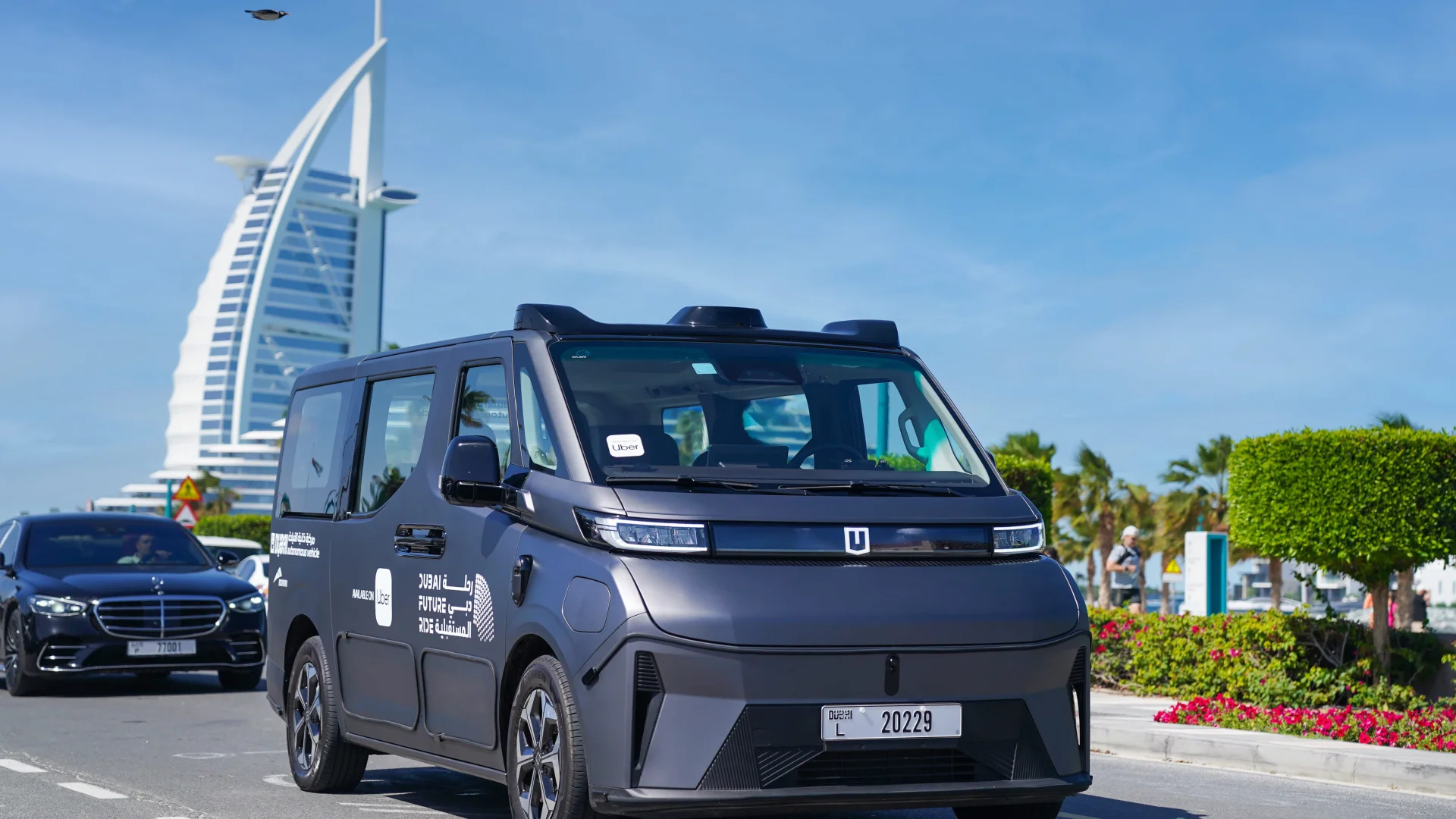

A round number with real weight: Dubai’s robotaxi fleet has crossed 4 million driverless kilometers, shifting autonomous mobility from showcase to everyday service. The city is accelerating mapped corridors, safety protocols, and integration with public transport to bring on-demand, electric rides to more neighborhoods. It’s a step aligned with Dubai’s long-standing goal to make a significant share of trips autonomous by 2030—safer, cleaner, more efficient. For residents, businesses, and investors, that means shorter waits, fewer parking hunts, and districts designed around people, not metal.
Dawn hangs cool over a waterfront boulevard when a silent car coasts to a stop at a red light. No hands on the wheel. No glance in the rearview. Just a soft halo of sensors breathing in the city. A jogger pauses, lifts a hand. The robotaxi flicks its indicator—almost like a nod—and glides on. If you walk this street often, you’ve seen the dance before. Today it lands differently: four million kilometers. A clean number. A green light.
Four million—the distance of circling Earth about a hundred times. Enough road to turn pilots into practice. With this milestone, Dubai leans forward. Blueprints move off the whiteboard: new zones come online, procedures sharpen, maps get richer. Most of all, there’s a drumbeat for consistent quality on every ride.
The message is simple: autonomous mobility in Dubai isn’t a promise; it’s a growing habit. The climb follows three rails. First, safety as the guardrail—redundant systems, clear thresholds for weather and traffic, meticulous approvals. Second, fit with the existing network—robotaxis are built to complement metro, tram, and bus, not replace them. Third, scaling with care—new corridors where demand, infrastructure, and city goals line up.
At a shaded stop, a mother leans toward her son. “Does it drive itself?” he whispers, eyes wide. The car hums by. “Yes,” she says, smiling, “and pretty well.” It’s in tiny moments like this you feel a technology shifting from spectacle to standard.
The odometer doesn’t guarantee perfection, but it signals this: the system has learned to read Dubai. From high-speed merges on multi-lane arteries to slow patience on family-friendly side streets.
Over the next months, several gears mesh. Mapping and route permissions extend. Accessibility climbs—low step-ins, clear audio guidance, easy-to-use apps. The service syncs tighter with metro and bus timetables for no-sweat last-mile hops. Citywide, unified standards for operations, data, and incident reporting turn growth from patchwork into a system.
On a busy boulevard, a safety marshal raises a hand. The robotaxi halts, yields to a crocodile line of schoolchildren, then whispers forward. Practice, polished.
Fewer peak snarls, cleaner air, calmer commutes—autonomous fleets aren’t a tech trophy. They’re a lever for quality of life, productivity, and competitiveness. For businesses, that means smoother shifts, on-time deliveries, reliable chains of movement. For visitors, a city that clicks from the first tap. And for the bigger picture, momentum toward climate goals as shared, electric rides grow.
A family summons a car for the weekly shop. An older gentleman rides to his appointment without the rush. After midnight, a vehicle glides through quieter streets, collecting late arrivals from the metro. No engine growl—just tires on warm asphalt.
The north star stays the same: scale where data, demand, and city aims overlap. Four million kilometers isn’t the finish tape; it’s the starter’s pistol for the next lap.
Autonomous mobility redraws the urban floor plan—and with it, returns, risk, and how we value land. If you invest in a city, invest in how it moves. Corridors aren’t just lines on a map; they’re magnets for footfall, convenience, and time saved.
Investor checklist: study forthcoming mobility corridors; prioritize projects on strong transit spines; design for flexible curb space and safe pick-up/drop-off; pre-negotiate MOUs with mobility operators; and wire buildings for data-rich, demand-responsive access. Plan mobility as a service, not a bolt-on amenity—and you’ll embed an advantage tenants can feel every day.