
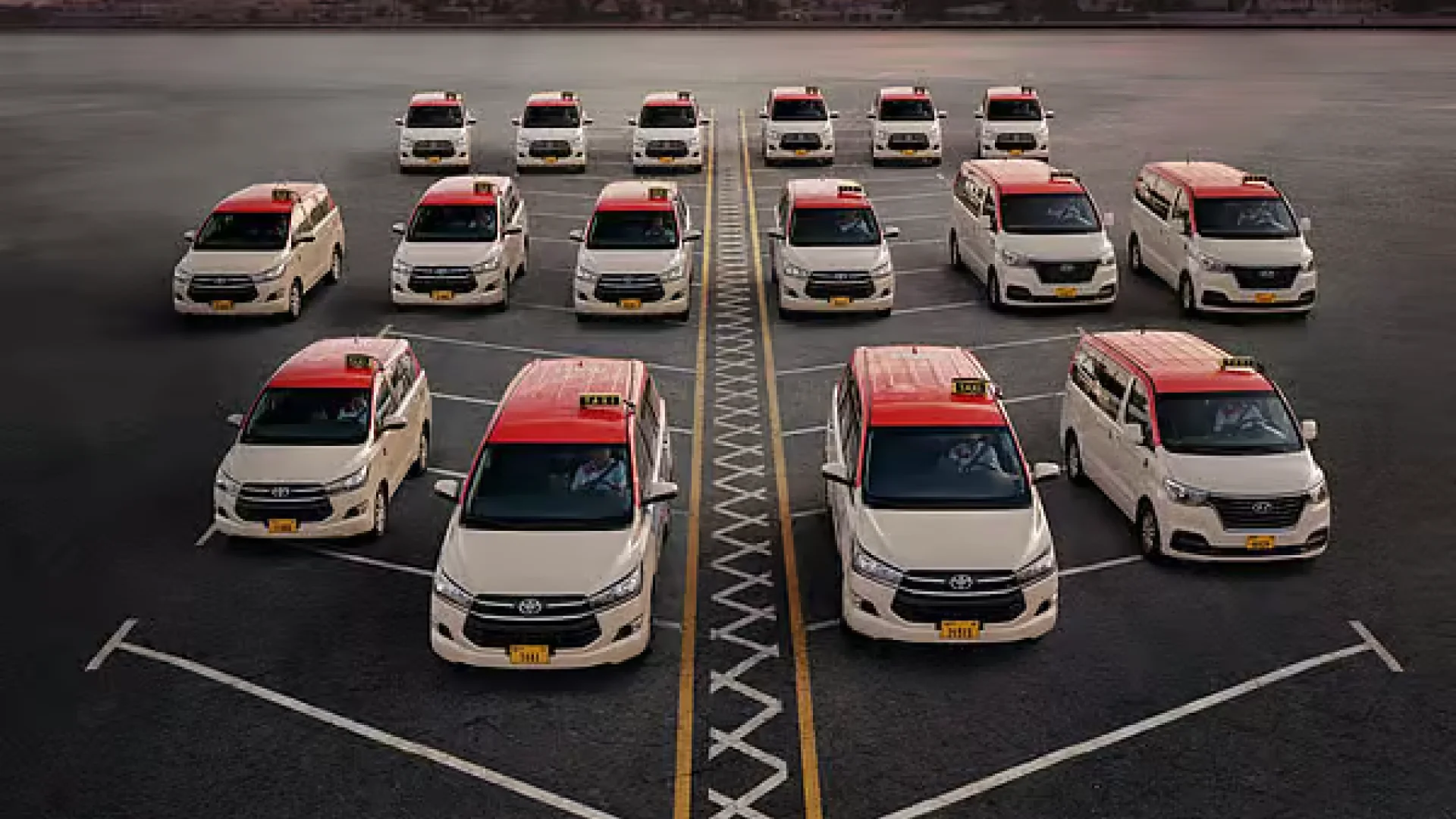

In a city where minutes feel like a currency, Dubai Taxi Company has just bought 600 additional vehicles through an auction run by the Roads and Transport Authority (RTA). The fleet expansion is designed to strengthen availability across Dubai, especially when demand spikes around malls, business districts, and major events. It’s a simple move with a big street-level impact: more cars, faster pickups, and a smoother daily rhythm for residents and visitors alike.
The curb outside the mall looks calm—until it isn’t.
A family steps into the heat, bags tugging at their wrists. A couple in office wear checks their phones with that familiar, tight little pause: Is the car coming… or not? Then a yellow taxi glides in, brakes sighing, and the whole scene relaxes by half a degree. In Dubai, relief often arrives on four wheels.
That’s why a headline number—600 new vehicles—lands with more weight than it seems. Dubai Taxi Company (DTC) has secured 600 vehicles through an auction organised by the Roads and Transport Authority (RTA), expanding its fleet at a moment when the city’s appetite for quick, reliable rides keeps growing.
An auction can sound like an administrative footnote. In practice, it’s a lever. Vehicles move from one phase of service life into another. Operators scale up quickly. Capacity gets injected into the system without months of waiting.
And capacity is what the street feels first.
“How long?” a man asks, half to himself, half to the security guard near the stand. The guard shrugs in that universal way that means, it depends. Time of day. Traffic. A conference letting out. A concert ending. A Friday evening when the city decides, collectively, to go somewhere at once.
Adding 600 vehicles is DTC’s way of leaning into those moments rather than being flattened by them. It’s an operational bet that demand will stay strong—and a practical attempt to keep waiting times from turning into frustration.
Dubai’s geography is a mosaic: residential communities, business corridors, beach districts, malls, hotels, exhibition centres. The metro does its job on the main spine. Buses fill in many gaps. But the last mile—and the late-night mile—often belongs to taxis.
Taxis are the city’s flexible layer. They don’t ask you to time your life to a schedule. They meet you where you are: outside a tower lobby with a suitcase, at a restaurant when the bill is paid, at a clinic when you’re tired and just want to get home.
When the fleet is stretched thin, Dubai feels it fast: longer queues at taxi ranks, higher competition for pickups, more cancelled plans. When the fleet expands, the benefits are quietly widespread—small improvements that add up across thousands of daily trips.
Slide into the back seat and Dubai becomes a moving postcard: glass towers catching the sun, cranes drawing lines in the sky, a sudden glimpse of water between flyovers. The driver taps a screen, checks the mirror.
“Where to?”
It’s a simple question in a city built around motion. And it’s the reason fleet growth matters. More vehicles means more chances that this question gets asked now, not after an anxious wait.
DTC’s expansion through the RTA auction signals an intent to keep pace with the city’s tempo—especially during peak periods, when demand surges around major destinations and events.
A bigger fleet doesn’t just look good on paper. If deployed well, it changes the feel of mobility—particularly at pressure points. With more vehicles in rotation, operators can smooth out imbalances: too many requests in one district, too few cars in another, a sudden rush after an event.
Dubai doesn’t expand politely. It expands boldly—new neighbourhoods, new commercial clusters, new places to be on a Tuesday night. Every new address adds another thread to the movement map: commutes, school runs, airport rides, dinner plans, last-minute errands.
Fleet additions like this are less about headlines and more about elasticity. They help the transport system stretch without snapping. They reduce the chance that growth turns into friction.
And there’s something characteristically Dubai about the mechanism: a structured auction, a rapid fleet boost, a practical response to demand. The city likes solutions that arrive at speed.
For real estate investors, transport capacity isn’t background noise—it’s a live input into location value, tenant satisfaction, and the long-term performance of districts. A 600-vehicle expansion by a major operator like DTC can influence the market in subtle but meaningful ways.
1) “Perceived distance” shrinks: In Dubai, what feels close is often defined by how quickly you can get a ride—especially in summer heat. Better taxi availability can make communities that are not directly on the metro feel more accessible, supporting rental demand in emerging or peripheral areas.
2) Short-term rental and hospitality upside: Serviced apartments and holiday lets live or die by the guest journey: airport to lobby, lobby to attractions, late-night return trips. Reduced waiting times and improved pickup reliability can translate into stronger reviews and higher occupancy—practical drivers of revenue for STR-focused investors.
3) Retail and mixed-use footfall: Malls, dining clusters, and mixed-use developments benefit when visitors can arrive and leave easily. More taxis can mean less transport friction, higher dwell time, and stronger evening traffic—factors that support tenant sales and, by extension, leasing strength.
4) Signal of continued demand: Fleet expansion is also a confidence indicator. Operators scale when they expect utilisation. For investors, that’s a useful real-world proxy for ongoing population activity, tourism flows, and business movement—especially around event seasons and high-demand corridors.
5) A practical due-diligence checkpoint: When assessing an asset, consider taxi logistics as part of the micro-location: designated pickup/drop-off zones, driveway circulation, congestion at entrances, and address clarity in ride-hailing systems. These details shape daily convenience—and daily convenience shapes rentability.
In short: 600 additional vehicles is not just a transport statistic. It’s a small infrastructural upgrade that can enhance liveability and, in turn, support property demand—particularly in areas where the last mile defines the lifestyle.