
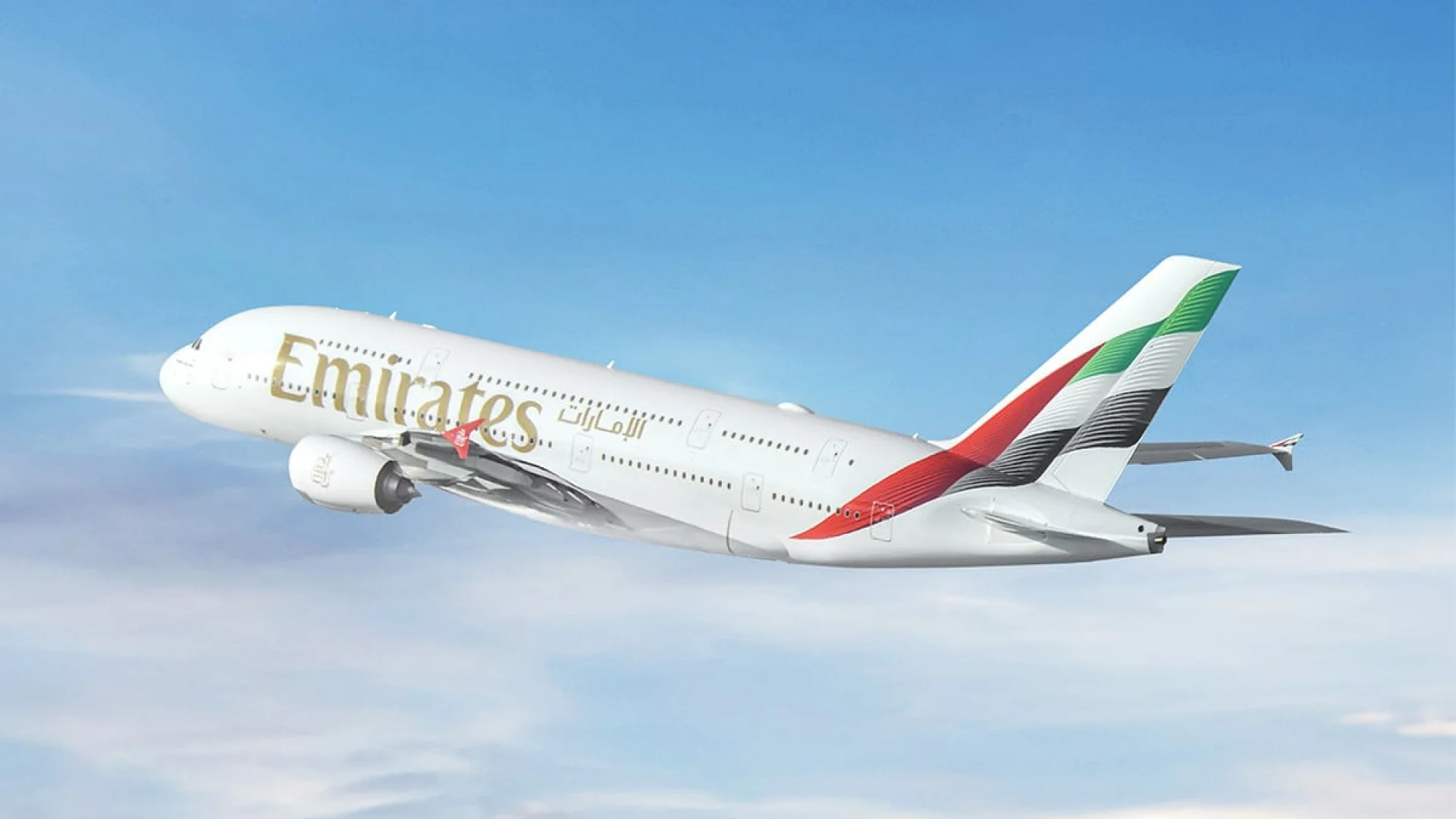
Before sunrise, Dubai International Airport is already alive with movement: aircraft are pushed back, teams change shifts and destination boards flicker across the terminal. Into this nonstop rhythm comes a major recruitment drive by Emirates Group. The aviation giant is seeking talent across a range of business areas, with selected highly qualified positions offering total annual compensation of up to approximately AED 325,000.
The first thing you hear is the tug vehicle. A low mechanical hum, a brief burst of light, then the slow movement of an aircraft across the apron. Inside the terminal, wheels rattle over polished floors and boarding calls roll through the air. Dubai International Airport is already in motion before most of the city has had breakfast. Emirates Group now wants more people to keep that motion going.
The group has announced an international recruitment drive covering a broad range of roles. Opportunities extend across customer-facing operations, cabin and airport services, technical functions, administration and other parts of the aviation business. It is a reminder that an airline is not built only around pilots and cabin crew. Every departure depends on a much larger network of people working in sequence.
At a careers event, a candidate studies the Emirates logo on a presentation screen. “What are they really looking for?” she asks. The answer is practical rather than glamorous: strong communication, reliability, teamwork and the ability to stay calm when the schedule changes in seconds.
The headline figure is the compensation. In connection with the recruitment campaign, selected positions are reported to offer total annual packages of up to about AED 325,000. That is a substantial figure and gives the campaign immediate visibility among professionals considering a move to the UAE. Actual pay will vary according to the role, seniority, qualifications, experience and the precise structure of the employment package.
For international employees, total compensation can be more important than salary alone. Depending on the position, packages may include allowances, travel benefits, insurance and other employer-provided advantages. In Dubai, the full picture matters. Housing, transport, schooling and everyday expenses can significantly shape the value of an offer.
Emirates Group also reaches far beyond the passenger cabin. Its wider activities include air transport, cargo, ground handling, catering and travel-related services. Behind every boarding gate is a large professional ecosystem: engineers, planners, logistics specialists, data professionals, security teams, customer-service staff and operations managers.
Location is part of the offer. Dubai sits between Europe, Asia and Africa, and its airport reflects that geography. Within a single shift, employees may switch between English and Arabic, assist passengers in another language and work alongside colleagues from several continents. The multicultural atmosphere is not a slogan on a brochure. It is visible at every gate.
But aviation is demanding. Shifts may begin early, finish late or change with operational needs. Peak travel periods bring pressure, and customer-facing teams must solve problems quickly and courteously. The appeal of an airport career lies in its energy, not in the idea of permanent leisure. Applicants should therefore study each job description carefully, including hours, qualifications and responsibilities.
The recruitment campaign also fits into the UAE’s wider economic direction. Tourism, logistics, trade, technology and international services are expanding parts of the national economy. Airlines and airports sit at the centre of this network. More passengers and routes create demand not only for flight crews, but also for maintenance, transport, hospitality, retail, catering and housing.
That is where the story leaves the runway. A new employee needs more than a staff pass. They need a home, a commute, access to shops and, in many cases, schools or childcare. A larger workforce can therefore influence neighbourhoods well beyond the terminal. It can support demand for rental housing, furnished apartments and services aimed at internationally mobile professionals.
For Dubai’s property market, a growing aviation workforce is a useful demand signal, particularly in well-connected districts and areas with convenient access to the airport. Tenants often value reliable transport links, practical layouts and flexible lease options. Proximity alone is not enough: metro access, schools, retail, noise levels and the wider quality of the neighbourhood also matter.
Investors may see opportunities in compact apartments, furnished units and family homes serving different segments of the workforce. However, an employment announcement should be treated as one market indicator rather than a guarantee of returns. Rental demand, service charges, vacancy risk, financing costs and future supply all deserve close attention. The recruitment drive strengthens Dubai’s international employment story, but sound property decisions still depend on detailed local analysis.
Back on the apron, another aircraft begins its turn. Ground crews move with practiced precision. A gate opens, passengers line up and the city’s global timetable continues. For a prospective employee, the journey starts more quietly—with an application and an interview. Yet behind that first step is a larger opportunity: joining an industry that connects Dubai to the world and helps shape the city’s next phase of growth.