
A visit that feels like a turning point: the UAE and Germany are recasting their relationship from single projects to a true systems partnership. Energy security and the green transition sit at the core, with hydrogen, renewables, AI, and advanced manufacturing pulling in step. Education, health, logistics, and culture widen the lens. The message is clear: from transactional partners to long-distance allies with a shared map for growth, resilience, and decarbonisation.
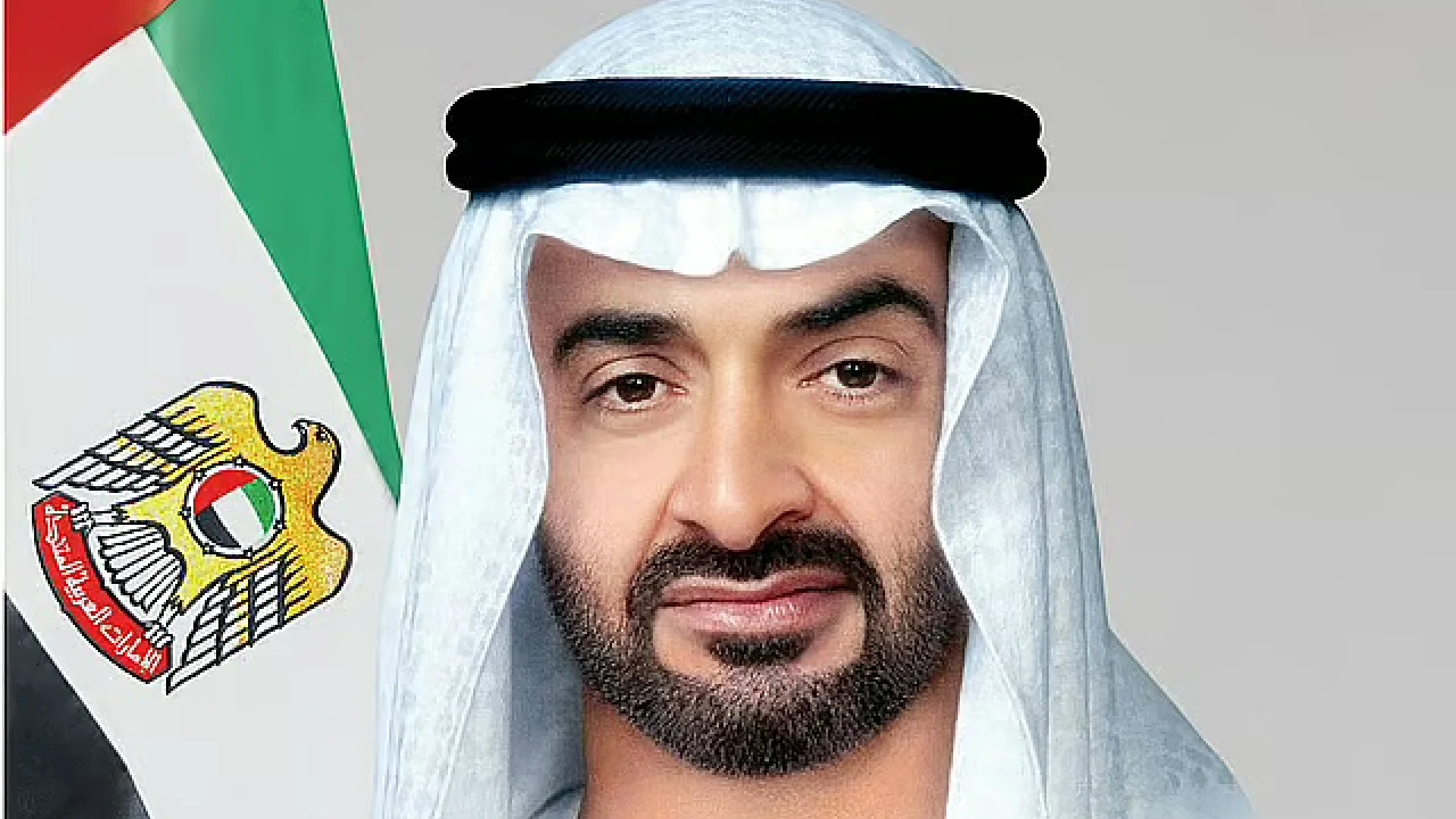
Berlin smells of rain and wet stone. Outside the Chancellery, two flags lift and settle in the wind—Germany and the UAE, side by side. A pause, a steady handshake, the soft electric whir of cameras. “Ready?” someone murmurs. “Ready,” comes the reply. In this quiet exchange, a routine state visit tilts into something larger: the move toward a multi-dimensional strategic alliance.
Inside, delegations bend over plans, not platitudes. Reliability in rough seas. That’s the brief. The focus tightens around energy security, a faster green transition, and technology sovereignty. The storyline has shifted—from a moment of LNG necessity to the architecture of hydrogen supply chains that can power steel, chemicals, aviation, and shipping. “Hydrogen first,” a staffer whispers at the edge of the room. Heads nod. Notes scratch. This isn’t décor; it’s design.
At a North Sea terminal, a crane swings and gulls cut the wind. Two winters ago, LNG stole the headlines. Now, H2 does. Engineers talk ammonia crackers, storage caverns, conversion back to clean molecules. On the other side of the map, an Abu Dhabi solar field throws back the sun like a mirror-lake. Wind hums over turbine strings. Electrons and molecules are becoming trade goods again, stitched together by standards, certification, and bankable offtakes. Bridging fuels remain a bridge. The destination lies clearly beyond.
The conversation arcs wider—AI and Industry 4.0, cyber and data, health systems, education and dual training, culture and tourism, space and climate science. It reads like a conference brochure until someone flips a binder of projects onto the table: roadmaps, testbeds, field trials, living labs. You can almost smell the workshop air and the dry-erase ink.
Supply chains need to run shorter, cleaner, and smarter. Companies must secure green power and green molecules or risk missing markets and mandates. Growth has to be inclusive—jobs, skills, and knowledge flow. That’s the hinge of this partnership: pairing security of supply with decarbonisation and innovation, then scaling fast enough to matter.
On climate, the tone is practical: build renewable capacity at speed, double efficiency, measure what counts. The UAE brings deployment speed and capital; Germany brings scale engineering and standard-setting. Together, pilots can become norms—and markets tip.
Do MOUs harden into industrial policy with milestones? Will shared hydrogen standards simplify trade and finance? Which regions land the first corridors—ports, chemical belts, aviation hubs? And how soon will products from these corridors—green steel, clean fertiliser, SAF—turn up in everyday supply chains?
In the foyer, heading out, someone thumbs a to-do list: “Roadmap, certification, funding windows, test operations.” Outside, the street is drying. The scene feels less like a farewell, more like foundations being marked in chalk.
A Munich lab hums into the evening; a Masdar City office glows warm past midnight. Students code energy forecasts. An engineer taps a cell stack: “Competitiveness will be decided here.” A Hamburg logistics manager grins: “If the corridor stands, business stands.” In an Abu Dhabi health park, a doctor says, almost to himself: “Telemedicine saves time—and lives.” That’s what partnership sounds like when it fills real rooms.
Alliances come to life in parcels, halls, and campuses. They need places. For investors and developers, the map is sharpening along new cross-border axes:
Market signals tend to arrive in waves. First, pilots nudge demand for specialised space; next, scale-up cements it. Lease specs get more technical—power density, utilities, material flows. Early movers with niche capabilities (ammonia handling, lab compliance, data governance) set the pricing tone.
Residential follows talent. Around Berlin/Brandenburg, hydrogen ventures draw engineers; in Hamburg, port and SAF workforces grow; in the Rhine-Ruhr, steel and chemistry 2.0 pull graduates and specialists. In Abu Dhabi, Saadiyat and Yas attract skilled inflows; in Dubai, vectors stretch between Business Bay, Internet City, and Dubai South. Serviced apartments and well-located mid-market rentals tend to fill first.
Bottom line: this alliance builds markets—and markets build cities. Capital that scouts pilot districts, pre-wires for next-gen uses, and embeds itself in emerging corridors will find both resilience and upside. The blueprints are on the table. Now lines become footings.