
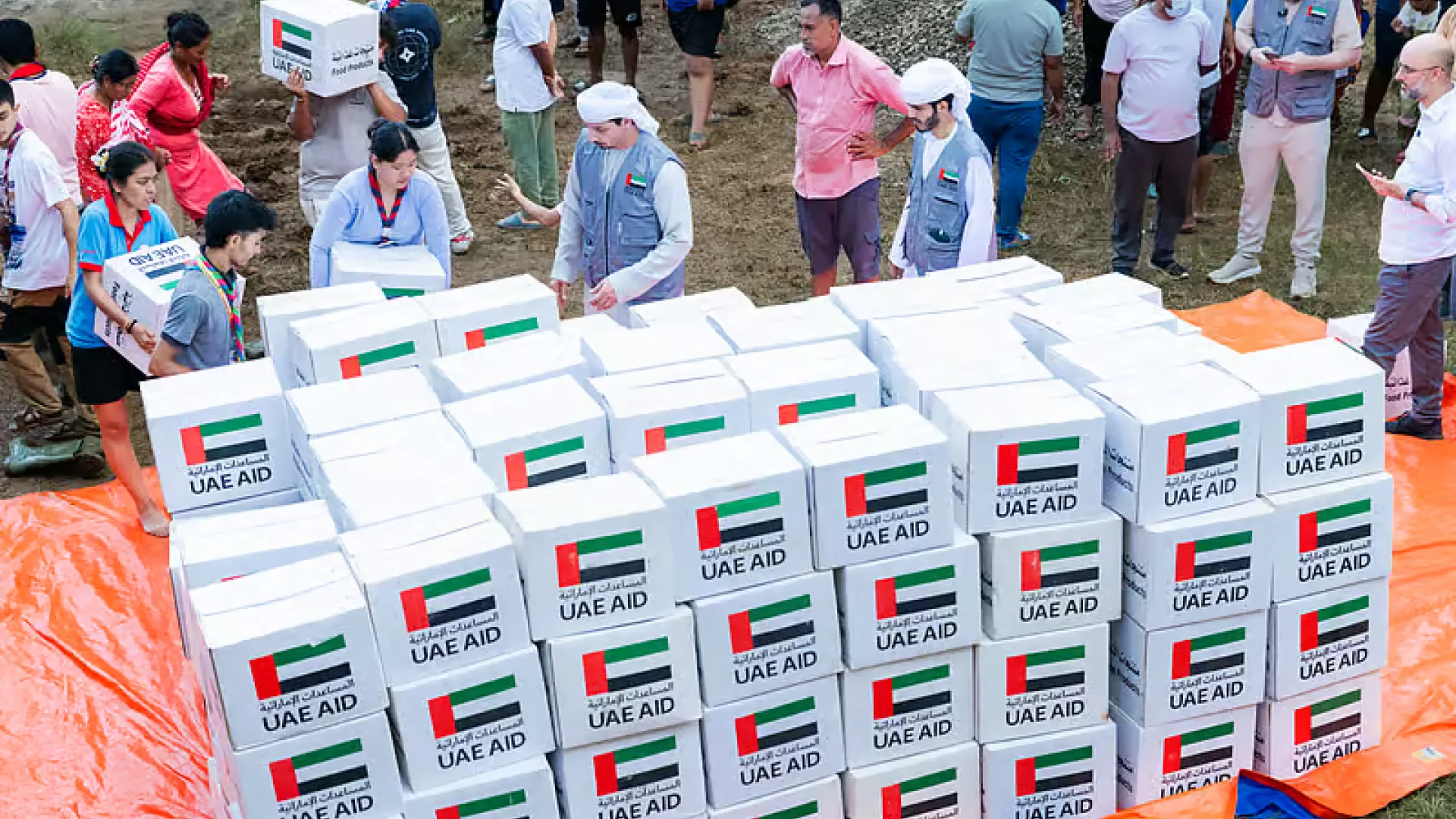

Morning broke with the smell of wet soil and a roar that swallowed small talk. Along the Nepal–Tibet borderlands, persistent heavy rain has swollen rivers, triggered landslides, cut roads, and pushed families into makeshift shelters while rescue crews work between weather windows. Authorities, volunteers, and neighbors are moving supplies, checking bridges, and mapping safer routes amid shifting forecasts and muddy horizons. As of September 4, 2026, evacuations, emergency repairs, and cross-border coordination define a tense, fast-changing picture—tempered by grit, patience, and the steady hum of generators.
The rain didn’t arrive as a whisper. It drummed the tin roofs like knuckles on a locked door, turned valleys into echo chambers, and made every conversation a half-shouted pact against the noise. At first light, a shopkeeper tugged his shutter halfway, squinting down at a river that used to be a ribbon and now looked like a wall. “Is the bridge still there?” someone asked from the street. A shrug. No one knew. In the brown surge floated branches, a blue sandal, and the idea that today’s plans had expired overnight.
Inside a community hall—home to dances in drier times—blankets are lined up like timetables. Children count the flashes; their mothers count updates. The rain keeps its steady metronome on the tin. An old man spreads a faded paper map on a table. The creases are soft from years of use. He traces the road that is no longer a road, the footpath that is now a channel, the bridge that needs a number before it can be trusted again.
Rescue teams are testing bridge abutments, clearing landslide debris, and hauling food and tarps through narrow corridors. When the cloud ceiling tears, helicopters lift off with medicine and essentials. Schools and monasteries have been turned into shelters; steam rises from big pots as rooms fill with damp shoes and careful voices. Volunteers string safety lines at sketchy crossings. Radios crackle with new instructions: water levels, weather slivers of hope, and fresh rockfall alerts. Everywhere, the same question: Will the slope hold? Will the night?
Across the Nepal–Tibet divide, coordination is short but constant. Who has boats? Where is there fuel? Which bridge is still rated to carry a truck? Teams share maps and waypoints, phone numbers and biscuits. Requests jump valley to valley, carried by messengers, texts, and the practical solidarity that stitches mountains together.
“The road was here yesterday,” says a young teacher, corralling her class in a gym. “Today it’s gone. The kids are not. That’s my measure.” A road worker in an orange poncho smiles thinly: “Water has time. We don’t.” A farmer points to a field now reflecting the sky: “I’ll plant again—when it smells like earth, not river.” A hydrology student tilts a phone screen to show a graph: “This spike is the shape of a story we need to stop repeating.”
Beauty is steep here, and steep is fragile. When the monsoon lingers and arrives in heavier bursts, paths become channels and slopes become fuses. Glacial lakes have secrets; when their moraine dams give way, water doesn’t just move—it runs. Towns built near rivers because life is easier near water suddenly face a force that negotiates with no one. Fast urban growth along riverbanks, roads cut into hillsides, and the hunger for land can stack the odds against a safe return to normal.
Between tactics lives a quieter skill: patience. It steadies hands on ropes and widens peripheral vision on muddy tracks. It makes room for the next person coming through.
When water drops, dust doesn’t settle right away. There’s measuring to do, shoring up, and planning. Rethinking road alignments, changing bridge footings, redrawing maps. And, maybe, retelling the story of where and how we build. Water says out loud what the land sometimes mumbles.
For owners, developers, and investors, this flood is a lens. It shows what vulnerability looks like—and how resilience is designed, financed, and maintained.
In the end, value accrues to what endures. Resilience isn’t a sunk cost—it’s future cash flow. It shows up as fewer downtime days, steadier rents, better insurance terms, and a community that stays when the rain moves on.