
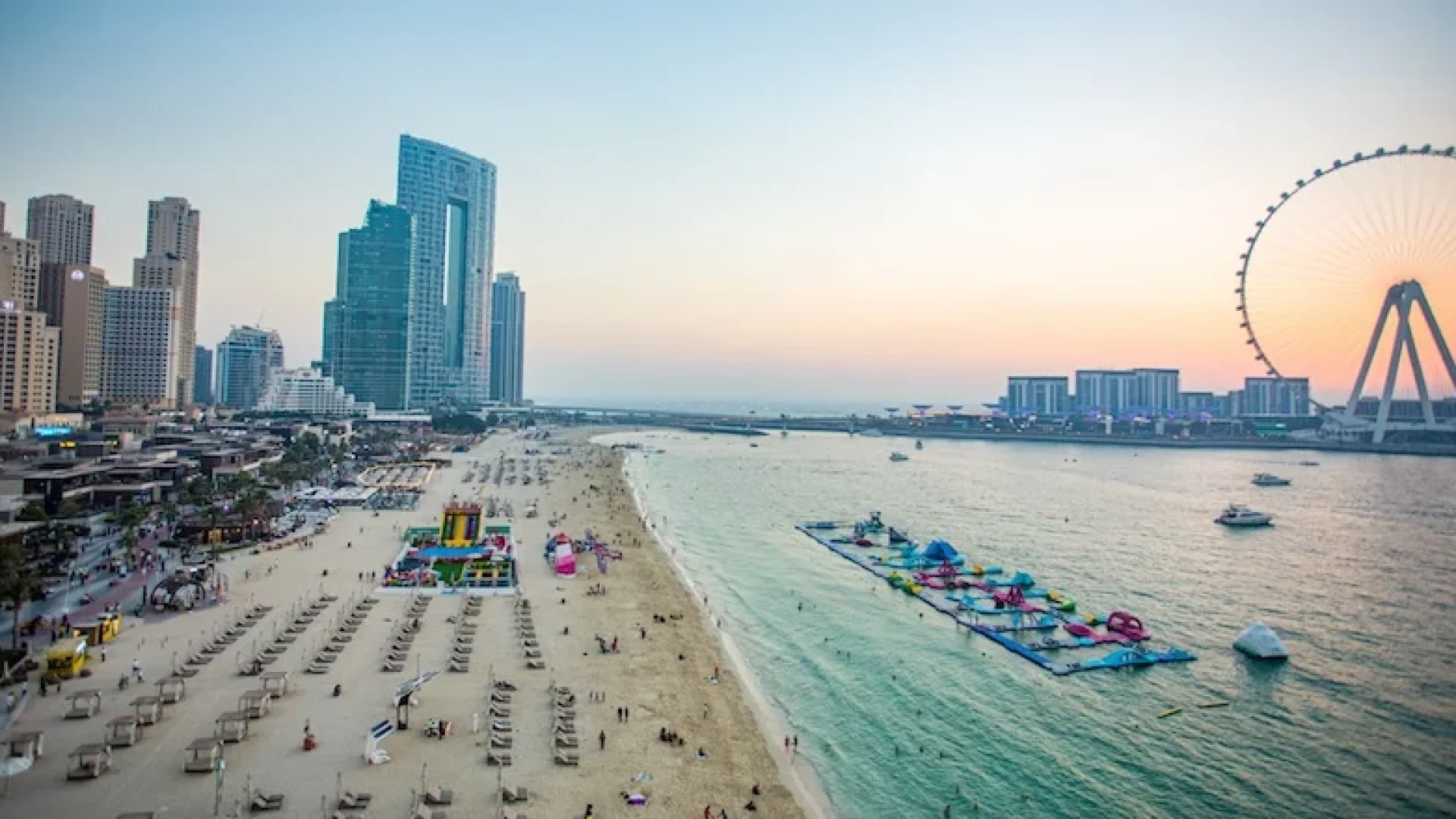

Dubai’s coastline is about to get louder, softer, brighter—and noticeably more curated. A new set of beach clubs and seaside concepts is on the way, promising everything from languid lunch energy to full-throttle sunset sessions, with architecture, menus and DJ schedules designed as one seamless story. It’s not just more sand and sunbeds; it’s a new generation of daylife built around experience: better food, sharper identities and places that feel like destinations even if you live five minutes away.
The first thing you notice is the sound of ice.
Not the music—yet. The ice. A clean, crisp clink in a metal shaker as a bartender leans into his rhythm, eyes half on the sea, half on the line of glasses waiting like an audience. Out on the sand, the sun presses warm fingers into your shoulders. Someone tightens a cushion on a cabana as if it’s a tie before a big meeting. And somewhere behind you a voice floats over, casual and certain: “Give it ten minutes. It’s about to start.”
This is how a beach club opens in Dubai: not with a door, but with a mood.
And that mood is about to multiply. Dubai is preparing a new wave of beach clubs and beachfront concepts—fresh addresses designed to pull you in for a “quick afternoon” and release you after dark. The city has always understood the theatre of the shoreline, but the new generation is less about a single headline feature and more about the full script: the arrival, the lunch, the golden hour, the drop in the DJ set, the last drink when the sea turns ink-black.
Dubai doesn’t do “just a beach club.” It does a stage set with salt in the air.
You can feel the difference in the details. The best clubs now treat the day like a playlist: a gentle opening track in the late morning, a steady build through lunch, then the inevitable lift—sunset—when conversations turn into plans. “We’ll stay for one,” someone says, meaning one drink, one hour, one set. Their friend raises an eyebrow. “One is never one here.”
The upcoming openings lean into that reality. They’re being shaped as day-to-night destinations, with clearer identities and sharper choices: places that are quiet enough for a slow lunch and electric enough for a late afternoon that turns into an evening.
Dubai has beach clubs the way other cities have cafés. So why does a new wave still feel like news?
Because the format has evolved. The old formula—pool, sunbeds, a DJ—has been replaced by something more deliberate. Think: design with a point of view. Food that’s not an afterthought. Music that’s programmed, not random. Service that feels closer to a boutique hotel than a loud day bar.
The city’s beach culture is maturing in public. Residents and repeat visitors aren’t just chasing a view anymore; they’re chasing a feeling. They want places that know what they are: Mediterranean ease, tropical escapism, minimalist calm, high-gloss celebration. The new concepts arriving along the coast are being built to meet those expectations, and to compete on more than just “best skyline shot.”
Picture this: you walk in and the architecture guides your eye like a camera shot. A shaded path opens to a bright terrace. A pool edge mirrors the horizon. The material palette—stone, timber, linen—moves with the wind rather than fighting it. The space doesn’t just look good; it behaves well in heat and light.
Now add a kitchen that can carry the day. Not a token menu, but a reason to come hungry: share plates built for long conversations, seafood that feels coastal rather than performative, desserts that arrive when the sun is already low and everyone is suddenly in a forgiving mood.
And then the sound. Not volume for volume’s sake, but timing. Dubai’s best afternoons are engineered around that moment when the sun starts to soften and the crowd becomes a little more beautiful. The new beach clubs reportedly lean into curated music programming—sets that rise and fall with the daylight, turning golden hour into a predictable kind of magic.
What to expect as these new places land:
Because the coastline isn’t just leisure; it’s identity. Dubai sells the idea of a day that feels like a holiday, even on a Tuesday. And as waterfront districts expand and mature, daylife becomes part of the city’s everyday infrastructure—like parks, gyms, and restaurants in other places.
There’s also a social logic to it. Beach clubs are meeting points that don’t demand a formal plan. You can arrive with two people and leave having seen ten. You can book a cabana for a birthday or wander in for a late lunch and accidentally stay for a set. The venue does the work; you just show up.
That’s why each new opening matters: it reshapes habits. It changes where weekends drift, where visitors get told to go, where residents decide to make their “regular.” In a city that moves fast, being the new regular spot is a powerful thing.
Let’s be honest: when Dubai opens something new on the beach, it becomes a sport. Reservations disappear. Timelines fill up. Everyone has a first impression, delivered with the confidence of a food critic.
If you want to enjoy the new wave without the chaos, play it smart:
And then—leave space for spontaneity. Because the best beach days don’t happen when everything is scheduled. They happen when you hear a track you love, look at the sea, and someone says, “Stay. This is about to get good.”
Beach clubs may look like pure lifestyle, but in Dubai they’re also market signals. High-quality hospitality and leisure openings can materially strengthen the appeal of a waterfront micro-location, helping it move from “nice area” to “must-live-here” territory.
In short: new beach clubs don’t just change where you spend your Saturday. They can change the story a coastal district tells—and that story is one of the quiet drivers behind demand, yields, and long-term value along Dubai’s shoreline.