
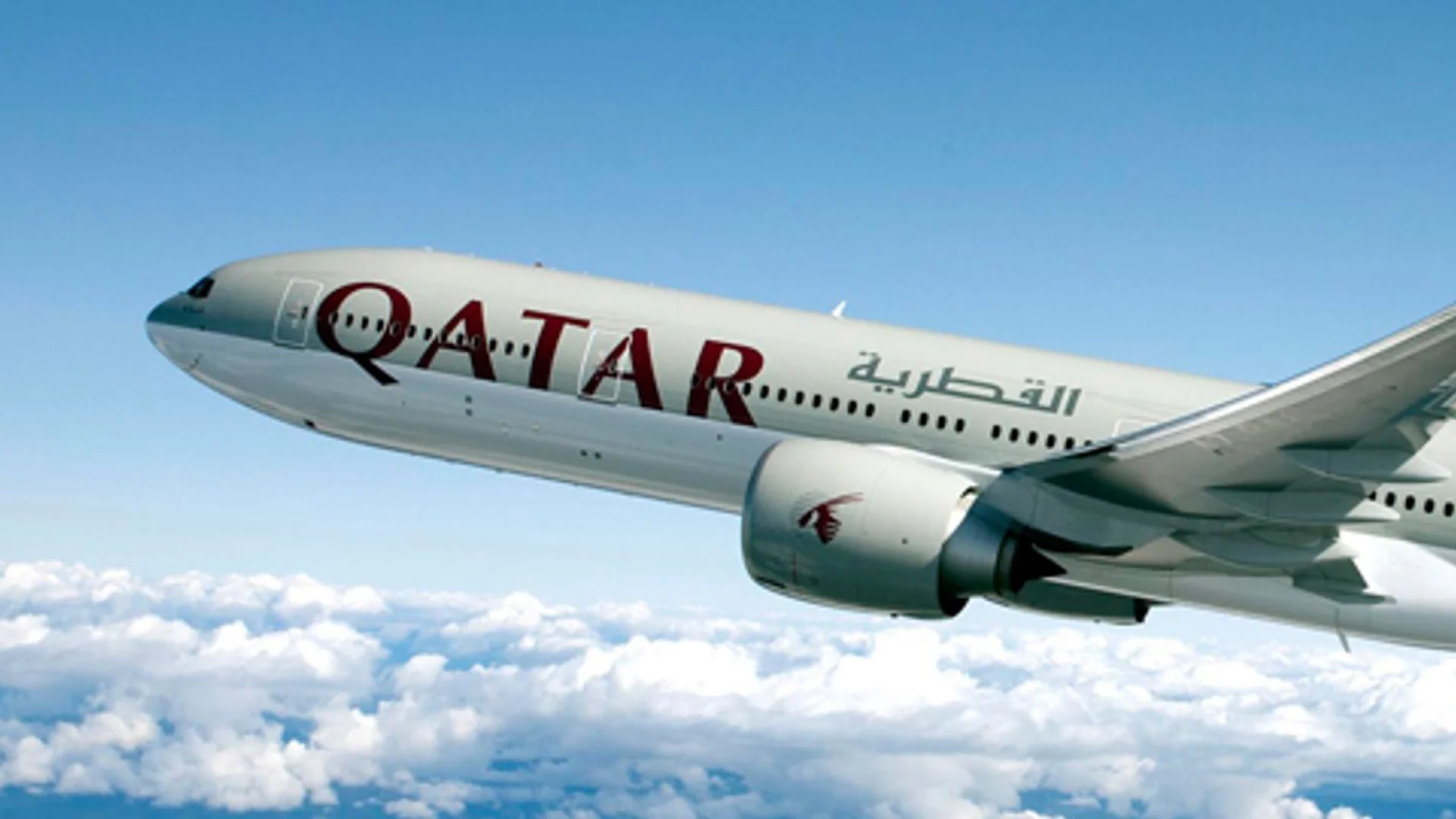

At the hour when Dubai’s glass towers turn honey-gold, the air link to Doha is about to get busier: Qatar Airways is increasing operations to Dubai with five daily flights. The added frequency is designed to meet strong demand and sharpen the rhythm of same-day trips, meetings, and weekend breaks. Just as importantly, it expands connection windows through Hamad International Airport, turning a short hop into a smoother gateway to Qatar Airways’ wider global network.
The runway shimmers like a mirage, and for a second the aircraft looks as if it’s floating above the tarmac. In the terminal, you can hear the city in miniature: rolling suitcase wheels ticking over tile seams, a boarding announcement cutting through the hum, a quick, breathy phone call—“If we land on time, I can still make it.”
This is what short-haul aviation in the Gulf feels like: fast, intent, stitched into the working day. And now the stitch tightens. Qatar Airways is increasing its operations to Dubai, lifting the Doha–Dubai corridor to five daily flights. It’s a simple number with a very practical meaning—more ways to go, more ways to come back, and more ways to connect onward without losing hours to the calendar.
People often talk about air routes as distances. But frequent flyers know they’re really about friction. Can you leave after breakfast and be back before midnight? Can you swap an afternoon meeting to the evening and still catch a flight? Can a team split across two cities work like it’s one?
Adding frequency is one of the cleanest ways to reduce that friction. A five-times-daily schedule makes Doha–Dubai feel less like an occasional trip and more like a reliable shuttle—especially for business travelers who value options more than anything else.
Dubai doesn’t simply host visitors; it absorbs them. You see it in hotel lobbies at dusk when conference badges reappear, in Downtown cafés where laptops glow late into the night, in the steady stream of taxis sliding down Sheikh Zayed Road like beads on a wire.
In that environment, an extra daily flight isn’t just capacity. It’s a nod to reality: demand remains resilient, and the city’s role as a business and leisure magnet keeps generating movement. Qatar Airways is betting that this movement isn’t slowing—it’s thickening.
There’s a particular phrase you hear at gates and lounges: “I’m going via Doha.” It’s said casually, like a shortcut, because in many itineraries it is. Hamad International Airport functions as a high-efficiency hinge, designed for clean connections and wide network reach.
More flights to Dubai widen the connection windows through Doha. That matters for travelers who aren’t stopping in Qatar at all—Dubai becomes the feeder, Doha becomes the switch, and the rest of the world opens up on the other side. In airline strategy, this is where frequency quietly turns into competitiveness.
This route isn’t the kind where you sink into your seat and forget the world for eight hours. It’s the flight where someone opens a laptop right up until the last call for boarding. The one where the coffee is too hot, the inbox too full, and the schedule too tight.
With more departures spread across the day, that tightness eases. Miss a meeting? Run late? Need to push the return by a few hours? Frequency gives you a second chance that doesn’t feel like a compromise.
The Gulf builds airports the way other places build monuments—glass, steel, scale, and spectacle. But the day-to-day battle isn’t fought with architecture. It’s fought with timetables.
Frequency creates habit. Habit creates loyalty. And loyalty—especially among time-sensitive travelers—feeds revenue and network strength. By stepping up operations to Dubai, Qatar Airways is not only responding to demand; it’s reinforcing Doha’s role in a region where hub power is measured in minutes and options.
Picture a typical itinerary. You land in Dubai as the sky turns peach and the city’s towers catch the last light like mirrors. You take the meeting. It runs long. The “quick trip” starts to stretch. Suddenly you’re calculating: one more night, another hotel bill, another day lost?
Extra frequency changes the feeling in that moment. It gives you an exit—another flight, a later window, a plan B that still looks like plan A. That’s what five daily services really buy: not just seats, but a smoother story for the people moving between these cities.
For real estate markets, aviation frequency is a surprisingly strong proxy for transaction velocity. When a route becomes easier to use—more departures, better timing, improved connection windows—decision-makers travel more often, and they travel with clearer intent. That has direct implications for Dubai, where site visits, developer meetings, lender discussions, and closing schedules can hinge on a single day of availability.
Lower “deal friction”: Five daily flights make it easier for investors and advisors based in Doha (or connecting via Doha) to conduct rapid due diligence—multiple viewings in one day, morning meetings with developers, afternoon checks with property managers, and an evening flight out. This compresses timelines and can increase the number of active bidders per asset, especially in prime residential and trophy commercial segments.
Boost for flexible living formats: Increased business travel typically supports demand for hospitality-linked real estate—business hotels, branded residences, and serviced apartments in well-connected neighborhoods. In Dubai, locations with straightforward access to airports and major business districts often benefit first, particularly when travel patterns skew toward short stays and repeat visits.
Two-city lifestyles: As the Doha–Dubai corridor becomes more “shuttle-like,” more executives and entrepreneurs can realistically maintain a two-base rhythm. That tends to underpin demand for high-quality rentals, turnkey apartments, and managed communities—products that minimize hassle and maximize predictability.
Competitive pressure and quality sorting: More connectivity also increases market transparency. Investors who can visit more frequently compare more projects and negotiate harder. Over time, that favors developers and landlords with consistent delivery track records, strong building management, and clear leasing performance—while lower-quality stock faces sharper scrutiny.
Commercial real estate spillovers: Better mobility supports the idea of regional operating models where teams split functions across hubs. That can strengthen demand for premium, flexible office space, meeting-ready business centers, and mixed-use districts that combine work, short-stay accommodation, and lifestyle amenities.
In short, “five daily flights” is a travel headline with an investment echo: it signals momentum, reduces time-cost barriers, and can help deepen Dubai’s pool of visiting capital—conditions that typically reward well-located, professionally managed assets.