
A Dubai classroom is shifting from memorising answers to practicing real decisions. Directed by Sheikh Hamdan bin Mohammed bin Rashid Al Maktoum, KHDA has launched “Skills for Life,” a new initiative designed to strengthen learners with practical, future-focused skills for work, study and everyday life. The programme spotlights transferable competencies such as critical thinking, communication, digital fluency and resilience—bringing schools, families and partners into one ecosystem. The message is simple but ambitious: education should feel like life, not just exams.
The air-conditioning hum is steady, almost hypnotic. A whiteboard squeaks. A student taps a pen twice, then looks up as if he’s hearing the question for the first time. “You have three sources,” the teacher says, “two of them disagree, and your team is split. You have 30 minutes. What do you do?”
There’s a pause—the kind that usually comes before someone guesses. But this time, nobody guesses. They start talking. One student leans in: “Let’s check who wrote the data.” Another counters: “We need a plan or we’ll waste time.” Someone laughs nervously. It sounds like a meeting room, not a classroom. And that’s exactly the point.
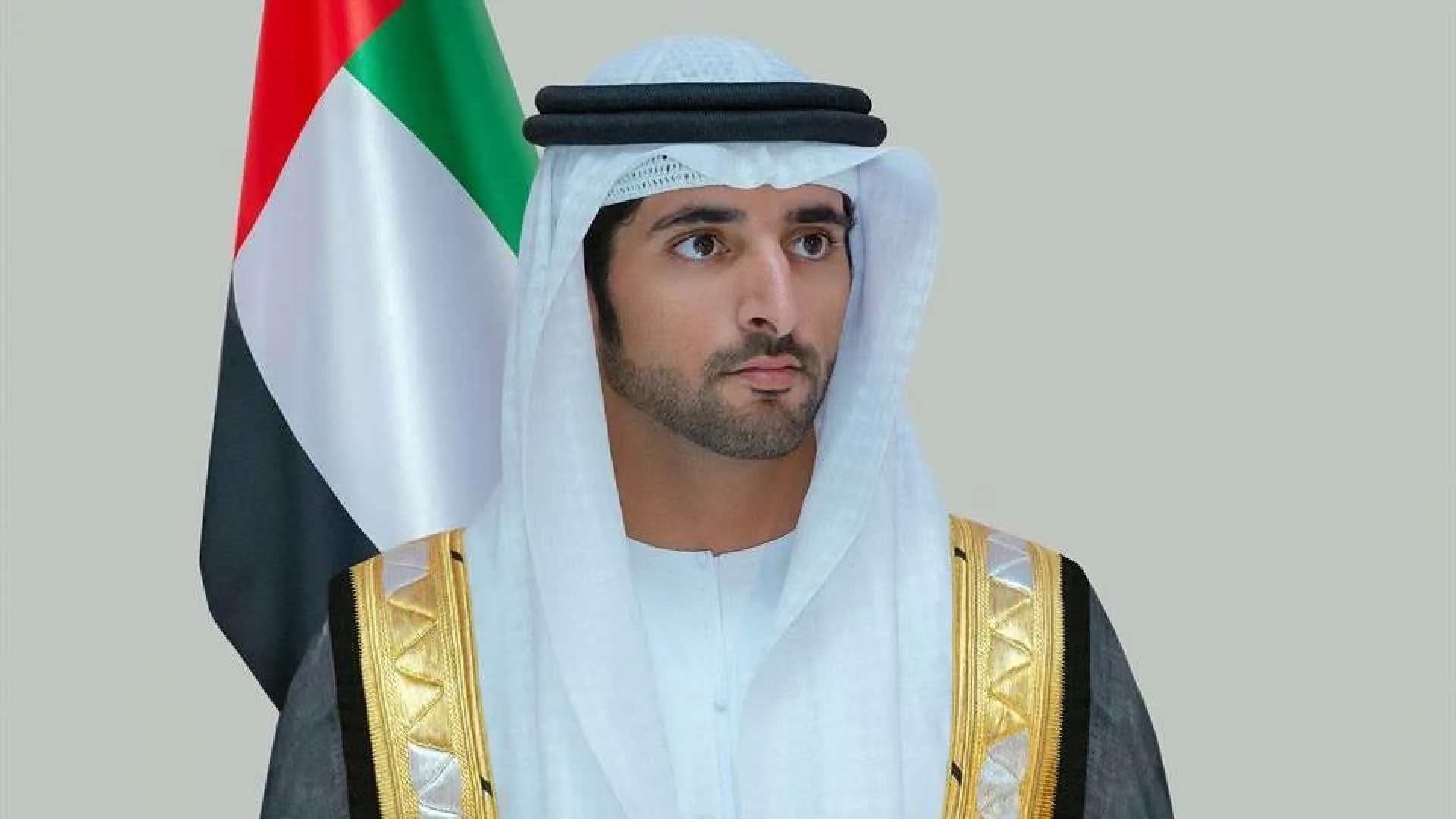
Dubai, a city built on speed and reinvention, is now pushing for an education that keeps pace with real life. Under the direction of Sheikh Hamdan bin Mohammed bin Rashid Al Maktoum—Crown Prince of Dubai, Deputy Prime Minister and Minister of Defence of the UAE, and Chairman of The Executive Council of Dubai—the Knowledge and Human Development Authority (KHDA) has launched a new initiative: “Skills for Life.” The name is modest. The ambition is not.
Dubai doesn’t just plan for the future; it tends to build it in public. New districts rise, industries pivot, job titles appear that didn’t exist a decade ago. In that environment, knowledge alone is never enough. Learners need a toolbox—skills that travel with them from school to university, from first job to career switch, from a confident day to a difficult one.
“Skills for Life” is KHDA’s move to make those tools visible, teachable, and—most importantly—usable. Not in theory. In practice. The initiative is designed to help learners handle complexity: evaluate information, communicate clearly, collaborate under pressure, and recover when things don’t go to plan.
Think of the student who can ace a test but freezes in a group discussion. Or the high achiever who collapses under stress because nobody ever taught them how to manage it. These are not side issues anymore; they are the core of what it means to be ready for the world.
KHDA, the authority responsible for regulating and developing Dubai’s private education sector, is positioning “Skills for Life” as a city-wide push—one that connects schools, families, and ecosystem partners. The logic is simple: life skills don’t grow only during lesson time. They grow at home, in teams, in competitions, in community projects, in moments where decisions have consequences.
At the heart of the initiative are transferable competencies—skills that apply across subjects and professions. While each school may implement the framework in its own way, the focus centres on areas such as:
Read that list and it feels like a grown-up checklist—because it is. Dubai is effectively saying: we want our learners to be able to stand in adult spaces with confidence. Not because they’ve memorised more content, but because they can navigate situations.
In the early days of programmes like this, the most revealing moments are usually small. A student admits, quietly: “I don’t know what I want to do.” In many systems, that sentence triggers panic, then a quick pivot to grades. Here, it can become a different kind of conversation.
“What are you curious about?” a mentor might ask. “What do you keep returning to, even when it gets hard?” Another student jumps in: “But what if I choose wrong?” The adult smiles: “Then you learn—and choose again.”
That’s the hidden promise behind “Skills for Life”: not a single straight path, but the ability to adjust your course. In a city as international and opportunity-rich as Dubai, that ability is everything. Learners aren’t just preparing for one job; they’re preparing for multiple versions of themselves.
Dubai’s education agenda has always been tied to its broader vision: competitiveness, talent attraction, innovation, quality of life. “Skills for Life” fits that arc. It’s not merely an education project; it’s a signal about what Dubai values in its next generation: adaptable thinkers, confident communicators, responsible digital citizens, and young people who can cope with the emotional realities of ambition.
By placing life skills alongside academics, the initiative reflects a global shift in what “good education” means—while keeping it grounded in Dubai’s specific context: a fast-moving economy, a diverse population, and a future shaped by technology.
Not every transformation is dramatic. Often, it’s the everyday habits that reshape a culture. A teacher stops asking, “What’s the correct answer?” and starts asking, “How did you get there?” A project ends with reflection, not just a grade: What worked in your team, and why? What would you do differently next time?
Over time, “Skills for Life” could show up in familiar school routines, but with a sharper edge of reality:
And perhaps the biggest shift is this: learners begin to feel that school is not a waiting room for adulthood. It is rehearsal for it—safe enough to fail, structured enough to improve, and ambitious enough to inspire.
Dubai is famous for what you can see: skylines, highways, new districts. But “Skills for Life” is about what you can’t easily measure. Confidence. Judgment. The ability to walk into the unknown without shutting down. KHDA’s initiative invites schools to innovate, families to engage, and partners to contribute—so learning doesn’t stay behind walls.
Outside, the city keeps moving. Inside, something quieter begins to take shape: a generation learning not only what to know, but how to live with what they know.
In real estate, education is not a soft feature—it’s a demand driver. When a city strengthens its schooling ecosystem and signals long-term commitment to future-ready learning, it becomes more attractive to the people who power the market: families, skilled professionals, and international employers.
Practical takeaway for investors and owners: When positioning a Dubai property, treat education as part of the asset’s value story. Go beyond generic claims—map school options, commuting times, family amenities, and community learning spaces. Initiatives like “Skills for Life” add credibility to Dubai’s long-term appeal—and that confidence often translates into occupancy, retention, and pricing power.