
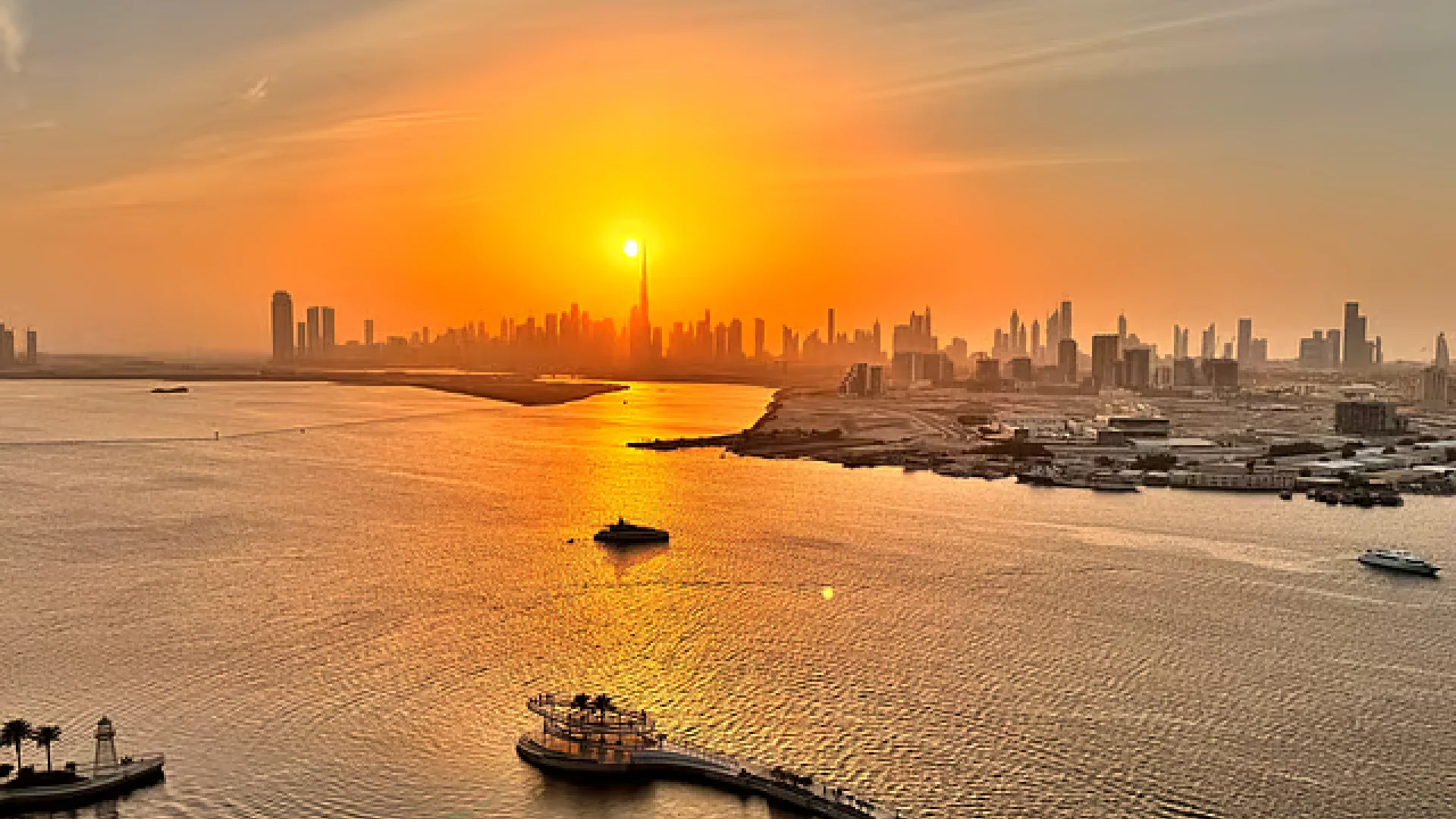

Five days after the Suhail star appeared on the Gulf horizon, the UAE still touched a blistering 50°C. The National Center of Meteorology logged the year’s top mark at an interior desert station, a stark reminder that the Suhail season begins with stories of relief but ends in a gradual taper, not a switch. Coastal humidity built a wall of warmth through the evenings while dusty breezes stirred across the inland plains. Heat safety remains critical, with shifting work hours, restless AC units, and a keen eye on the forecast for the first hints of real cooldown.
The petrol pump clicks, and heat breathes back like a furnace door. Mid-afternoon, the horizon wobbles in silver ripples. A driver checks his dashboard and exhales: 50. He taps the steering wheel with two fingers, as if that might persuade the sun to blink. Then he laughs — a short, dry sound — and takes one step deeper into the shade.
Five days after Suhail rose — the old seasonal harbinger that whispers of softer nights and kinder dawns — the UAE still cracked 50°C. The number landed like a cymbal in a quiet room. Anyone who grew up with grandparents telling tales of the Suhail breeze knows the rhythm: the star arrives first, the cool arrives later. The National Center of Meteorology confirmed it — a fierce inland spike, the kind of reading that turns sand into a second sky and pushes the heat index off the charts along the coast.
By the corniche, the air felt plush and heavy. AC vents breathed life into small moments: a barista sliding iced cups across a misted counter, a shopkeeper aiming a fan at the doorway, a security guard tugging his cap lower as the late sun bounced off the pavement. Inland, the air was clean but punishing, wind pulling at the scrub and the road like a rough hand. Two construction workers compared gloves under a sliver of scaffolding shade. 'Even the metal is angry today,' one said, flexing his fingers and smiling with his eyes.
In the Gulf’s memory, Suhail is more than a star. It is a signal from Canopus, low and bright, that the season is turning. But turning is not arriving. The first week after Suhail often feels like a tug of war: inland thermometers still hunting for extremes, coastal humidity building a warm quilt through dusk and dawn, the atmosphere testing its new balance. Forecasts reflected that push and pull: hot to very hot by day, humidity rising at night near the coast, with light to moderate winds, dusty at times over open areas. The sea stayed slight to moderate — a small mercy for evening walkers and anglers at the breakwater.
By morning, fog and mist flirted with the coast — not a blanket yet, but pale brushstrokes across the water. Drivers set their alarms a bit earlier, wipers half-awake, headlights polite. The seasonal dance has begun, even if the first step is a stomp.
Why does 50°C matter when we already live with heat? Because it is a ceiling that rearranges the day. It shifts schedules, squeezes errands into shorter windows, and turns shade into real estate. It reminds us our bodies are brilliant thermoregulators — until they are not — and that water, electrolytes, and timing are the everyday technologies we can’t afford to ignore.
Across the country, life adjusted without drama. Markets buzzed at dawn, café patios re-opened after sunset, and playgrounds flickered back alive when the lamps came on. Inside, the hum of compressors wrote a steady soundtrack. 'Two more weeks and you’ll feel it,' an elderly pearl diver told his grandson on a bench by the water, eyes on the horizon. 'Suhail never lies. He just takes his time.'
And the data agrees: the cooldown is not a cliff but a slope. Daytime highs ease one rung at a time. Nights loosen first. The heat isn’t gone — it is gentled. The first true break usually tastes like a breeze that smells faintly of dust and salt, and sounds like children running without checking the ground with a hand.
Until then, the map of the day is simple: hug the shade, drink before you’re thirsty, and let the star do its work.
Extreme heat is more than a weather headline; it is a stress test for buildings, communities, and operating budgets. When the thermometer touches 50°C, you can hear it in the way a lobby door seals, feel it in a balcony slab that radiates at night, and see it in monthly utility dashboards. For homeowners, tenants, and investors, the late-August spike offers a clear checklist for resilience and value.
For investors, heat resilience is increasingly priced in. Tenants notice lobbies that don’t fog, lifts that feel temperate, corridors that don’t smell ‘warm’. Hospitality assets see shoulder seasons shift by weeks, with September softening later than the calendar suggests. Retail strips that shade their fronts win evening footfall; those that don’t, close earlier or cycle tenants faster.
Due diligence in a 50°C market means asking different questions:
As Suhail ushers in the slow pivot to gentler days, the market pays a premium for buildings that make that pivot feel sooner. The best addresses in the months ahead will be the ones where evening feels like a small gift again — where the courtyard stirs, the pool deck breathes, and the balcony promises a breeze.