
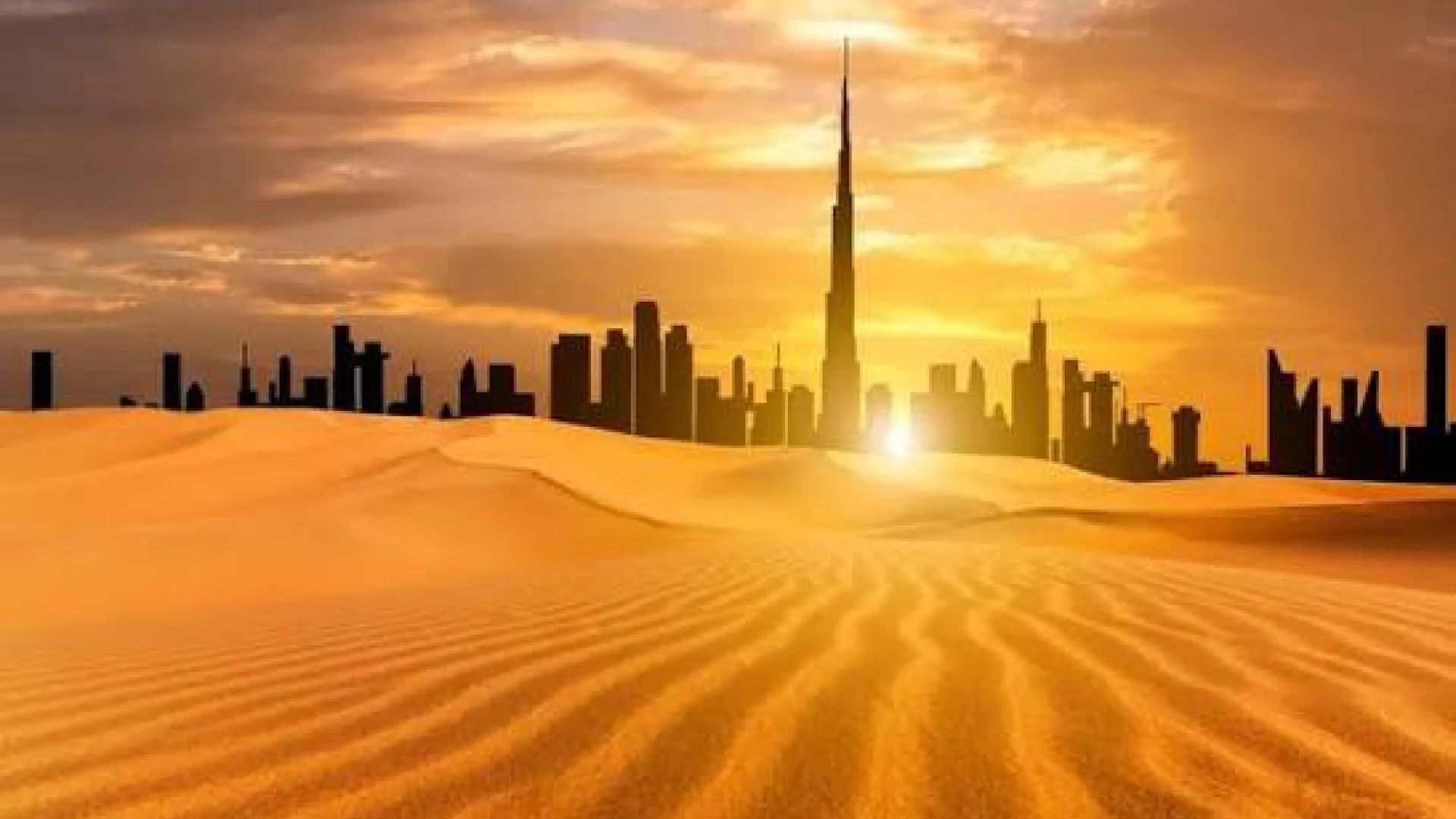

At midday, the air shimmers like melted glass: the UAE has recorded 50°C for the first time this year, a headline temperature that lands just as many residents are counting down to the season’s slowdown. Forecasters describe a spell of extreme heat with varying intensity across areas, prompting familiar but urgent advice—hydrate, avoid direct sun at peak hours, and scale back outdoor exertion. The city’s systems respond in real time: cooling loads surge, streets empty, and shaded routes become the only logical routes. For the built environment, it’s a stress test—revealing which buildings are designed for the Gulf’s harshest days, and which merely look the part.
The road is talking.
Not in words, exactly—more in a dry, brittle crackle that rises from the asphalt when the sun sits directly overhead. A car door swings open and the heat hits your cheeks with the blunt intimacy of an oven. The driver leans over his dashboard, taps the display, and gives you a look that says, you won’t like this. “Fifty,” he says. Just one syllable. Enough.
The UAE has reached 50°C for the first time this year—a number so clean and round it feels symbolic, like a line drawn across the season. It arrives at an awkward moment, too: when people start telling themselves the worst is nearly done, when the calendar whispers that peak summer is approaching its end. And then the sky answers back with a final, scorching exclamation point.
At 50°C, the city doesn’t merely feel hot. It behaves differently. Sidewalks empty as if someone has dimmed the streets. Outdoor tables sit unused, perfectly arranged and suddenly theatrical—set dressing for a life that has moved indoors. Between towers, the horizon trembles, a mirage effect that makes distant buildings look soft around the edges, like they’re being erased and redrawn.
People navigate in short bursts: parking garage to lobby, lobby to elevator, elevator to apartment. The revolving door at a mall spins like a lifeline. Inside, the air-conditioning hum is constant—an urban heartbeat. You notice it because, for a few seconds, you can breathe without feeling the air press back.
Forecasters described the day as part of an extreme-heat spell, with conditions varying by location. That nuance matters. In the Gulf, heat is never just a single number; it’s a mix of sun angle, wind, and how the city holds onto warmth. But 50°C is the headline figure that cuts through every detail. It tells you: today is not a day to improvise.
Outside a café tucked into the corner of a shopping complex, a man stands with a paper cup sweating in his hand. He squints at the parking lot as if it’s a small desert he must cross on foot. “Two minutes,” he says—half to me, half to himself. He pulls his cap lower, checks his phone one last time, and goes.
Ten steps in, the back of his shirt darkens. Twenty steps in, his pace changes, not faster but more focused. You can almost see the calculation happening: shadow to shadow, car door, ignition, blast of cooled air. The distance hasn’t changed. Only the cost of crossing it has.
During extreme heat, public guidance becomes more than background noise. Hydration. Avoid direct sun during peak hours. Reduce outdoor exertion. Watch for dizziness, fatigue, and signs of heat stress—especially for children, older adults, and those working outside. In a place built on ambition and speed, the body is the one thing you can’t talk into keeping up.
There’s a particular sound to a Gulf metropolis on a super-hot day: a layered, mechanical hush. HVAC systems working steadily. Doors sealing. Elevators gliding. In residential towers, lobbies feel like cool sanctuaries; in office buildings, thermostats become quiet negotiations. Someone always wants it colder. Someone else has brought a cardigan in August like it’s the most normal thing in the world.
And outside, the materials tell their own story. Metal handrails go untouched. Dark pavement radiates heat upward. Glass façades sparkle with a brightness that’s almost aggressive. On days like this, architecture stops being a skyline and starts being performance: which buildings can hold comfort without burning through energy, and which ones leak cool air like a secret you can’t keep?
This is why the first 50°C reading of the year matters beyond the weather page. It reveals the weak points: a poorly shaded walkway, a lobby that heats up every time the doors open, a chiller system that struggles at peak load. Heat doesn’t just inconvenience a city—it audits it.
There’s a psychological twist to a 50°C day arriving as peak summer “nears its end.” You can feel the impatience in small conversations: “Just a few more weeks.” “October will be better.” The UAE’s seasonal rhythm is familiar—endure the hottest stretch, then reclaim the outdoors as temperatures ease. But a record-like spike at this moment stretches the season emotionally, even if it only adds a handful of brutally hot afternoons.
In the evening, when the sun finally loses its grip, the city exhales. Parking lots refill. Families reappear. You hear more footsteps, more laughter, more life. Yet the heat lingers in walls and roads, stored like a memory. The day’s number—50—stays with you, a sharp little souvenir.
None of this is dramatic when you say it quickly. But in the lived texture of a 50°C afternoon, it’s the difference between feeling in control and feeling exposed. The city still runs. Work still happens. Deliveries still arrive. Yet everything moves with a little more caution—like walking past an open flame.
Extreme-heat days are not just seasonal trivia in the UAE—they’re a performance test for real estate. The first 50°C reading of the year is a reminder that, in Gulf markets, climate resilience is directly tied to operating costs, tenant satisfaction, and long-term asset value.
In other words: 50°C is not only a weather milestone. It’s a market signal. The buildings that remain calm and comfortable when the sky turns into a furnace are the ones that earn trust—tenant by tenant, lease by lease, year by year.