
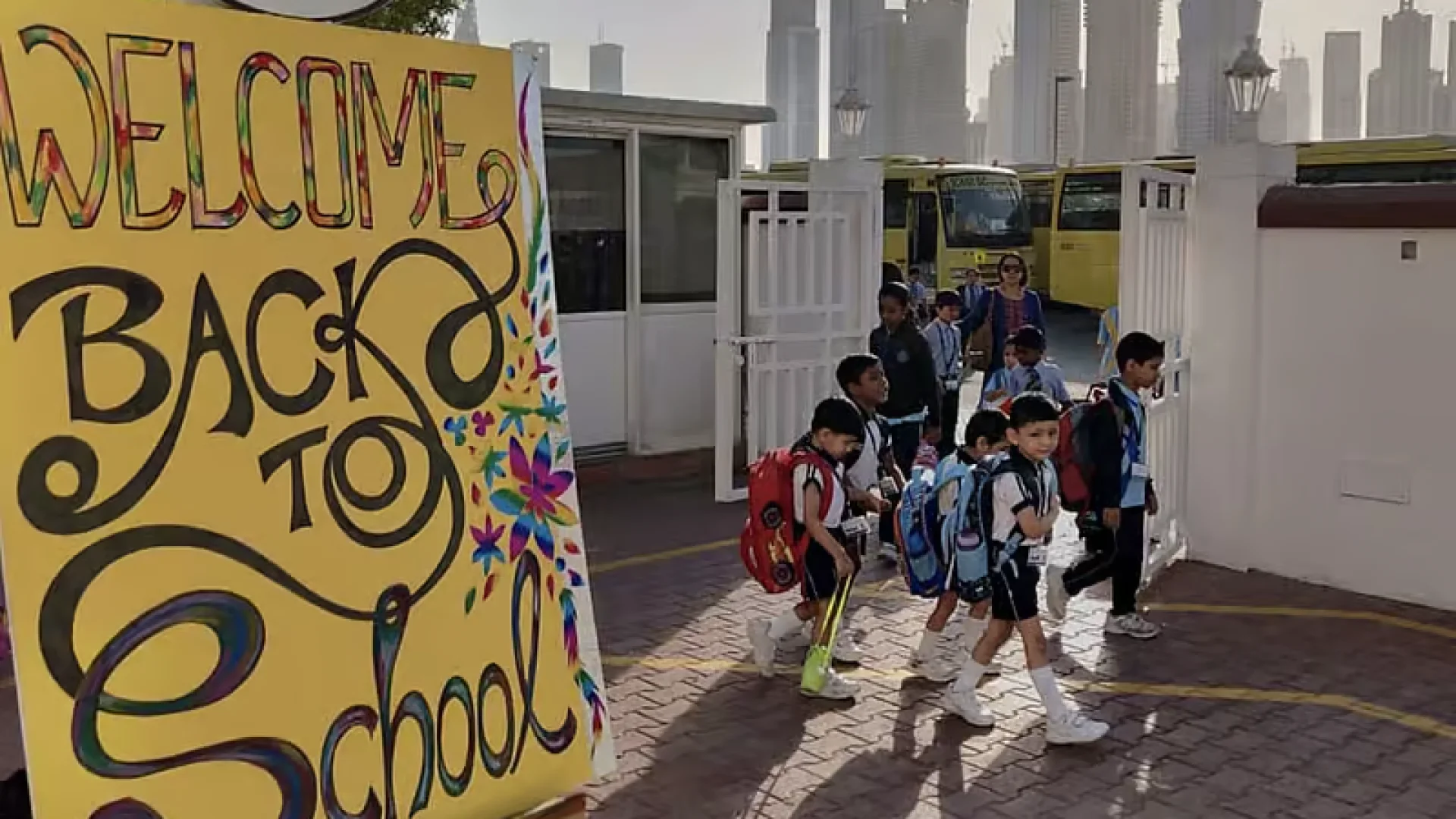

Before sunrise, kitchens glow and zippers sing: more than a million children and teens across the UAE are heading back to school. Families push bedtime earlier, buses roll out new timetables, and shopping lists finally go from phone notes to neatly labeled lunchboxes. Authorities step up road safety and school-zone patrols while retailers report a back-to-school surge. The country shifts from summer drift to the metronome of the school bell—and entire neighborhoods move to its beat.
The hallway smells of toast and new plastic. A lunchbox snaps shut, then another. Water bottles clink. In the lobby, a yellow bus hums like a highlighter in the dawn. "Shoes?" "Under the backpack." A father checks a calendar with more color than a festival: club tryouts, parent night, bus route 14, math clinic, early dismissal Friday. The elevator opens. It's go time.
Across the Emirates, classrooms fill. Corridors wake to sneaker squeaks and laughter ricocheting off cool tiles. More than a million students—little ones clutching ID lanyards, seniors striding like they own the place—pour back into learning. Routines click in: earlier lights-out, earlier wake-ups, less screen-time, more page-time. Parent WhatsApp groups, silent for a few weeks, return to life with rapid-fire pings: bus ETA, which notebook, the new language option, who found the best lunchbox ice packs.
Teachers stand at doors with names on their tongues. "Welcome back, Omar. Good morning, Sofia." A principal, sleeves rolled once, scans the final plan: one new science lab, a reshuffled timetable to beat the afternoon heat, extra counselors on day one, and a club fair to catch the spark early. It's the special electricity of first days—warm, alert, a little breathless.
Out on the streets, the choreography begins. School zones blink with fresh paint and sharper alerts. Patrol cars idle near bottlenecks. Crossing guards rehearse their palm-out halt, palm-in flow. Operators add buses on busy corridors; traffic teams fan out. The message is clear everywhere you look: slow within school zones, phone down behind the wheel, belts on, and respect the bus stop sign. In week one, you can feel the safety net—more eyes, more cones, more reminders until muscle memory returns.
Drop-off lanes turn into brief theaters of logistics. Doors fly open, backpacks tumble, a quick kiss, a forgotten water bottle, a sprint back, then a wave. A mother laughs at herself: "Day one is a triathlon—swim through alarms, bike through traffic, run to homeroom." By Thursday, she'll do it in half the time, with a calmer heart rate.
Inside, it's familiar—yet upgraded. Smart boards blink awake. Tablets log in. A freshly stocked library smells like paper rain. There are new clubs and electives: a robotics team doubling in size, an Arabic poetry slam on Tuesdays, extended quiet hours for seniors prepping exams. Pastoral teams nudge a soft landing for kids who drifted off rhythm over summer—lighter homework in week one, mindful breaks, check-ins for the shy or jet-lagged. "Today is about arrival, not achievement," a teacher says, drawing a wide welcome in looping marker script.
In labs, glassware clinks like wind chimes. In a gym, new sneakers squeal over a polished floor. The art room wall fills with sun-faded summer postcards taped next to brash acrylics titled New Year, New Me. A Year 9 student rolls his eyes, then grins: "I woke at 5:30. But seeing friends? Worth it."
Malls have worn their back-to-school grin for weeks. Shelves in stripes of notebooks, backpacks, trainers, pencil cases—many with stickers shouting 20–40% off. Families swap tips: bundle deals, durable shoe brands, the brand of lunchbox that actually fits the canteen's microwave. Some schools coordinate bulk orders for textbooks and stationery to cut costs and ensure uniformity. At home, micro-systems snap into place: a label station on the dining table, a weekly snack drawer in the fridge, a hook board near the door for IDs and keys. Small rituals, powerful calm.
Wellbeing rides shotgun. Hydration plans, shaded waiting spots, hats for the high sun. Canteens stack fruit bowls and top up water fountains. "No candy on the bus this week," a supervisor jokes. Kids laugh. They know Thursday will probably smuggle in a chocolate square.
By late afternoon, the day's colors soften. Homework lined up in short bursts. First club sign-ups inked. A sense of the new map emerges: who carpools on Tuesdays, where parking is less fierce, which gate opens quicker. Parents debrief in small knots outside the main entrance. "Your bus on time?" "Today, yes." Tips swap hands like postcards: park on the parallel street, pack bags at night, keep PE gear on the sofa. Relief rolls through the group. It has begun. It works.
Back-to-school doesn't just flip a household switch; it shifts the pulse of entire communities. Morning waves of traffic, midday hush, sunset surges at parks and after-school centers. Bakeries open earlier near campuses. Cafés offer 20-minute parent menus. Sports clubs extend evening slots as desert breezes return. Cities are living organisms and, for much of the year, the school bell is their metronome.
"I missed the smell of books," a Year 5 girl says, patting the spine of a new novel. A bus driver polishes the side mirror: "Week one counts double—for trust and timing." A principal shrugs, smiling: "Routines are love in structure." A grandmother laughs: "We had chalk. They have codes. Learning is learning."
You can tally students and timetables, but what really powers a first week is micro-emotion: the brave kid taking a new route alone for the first time; the teacher who memorized a full roster over the weekend; the security guard who remembers last year's lost shoe story. Every moving part conspires toward the same quiet miracle: safe arrival, meaningful learning, unhurried return.
As the initial buzz settles, the machine hums. Clubs find their rosters, teachers tune pacing, parents balance carpools with work calls. Authorities read traffic patterns and adjust signal timing, add patrols where needed, and keep the steady drumbeat of awareness. Retailers rotate displays from rulers to rain jackets. The city's focus slides from launch to sustain. There's calm in that shift—like moving from a sprint to a stride.
Back-to-school is not only a family ritual; it's a market signal. Proximity to high-performing schools drives rental demand, lifts sale prices, and sorts winners and laggards at the neighborhood level. Commute time shapes purchase decisions. Bus routes redraw micro-maps. If you're renting, buying, or investing, the school calendar is a compass—if you know how to read it.
Tactics for owners right now: refresh kids’ rooms with bright, durable paint; tighten window seals for quiet study; add built-in shelving. For seekers: plot the school run first, then the commute. Time savings compound like interest. And for investors: remember the soft power of a school zone. It’s not just a bell—it’s a beacon.