
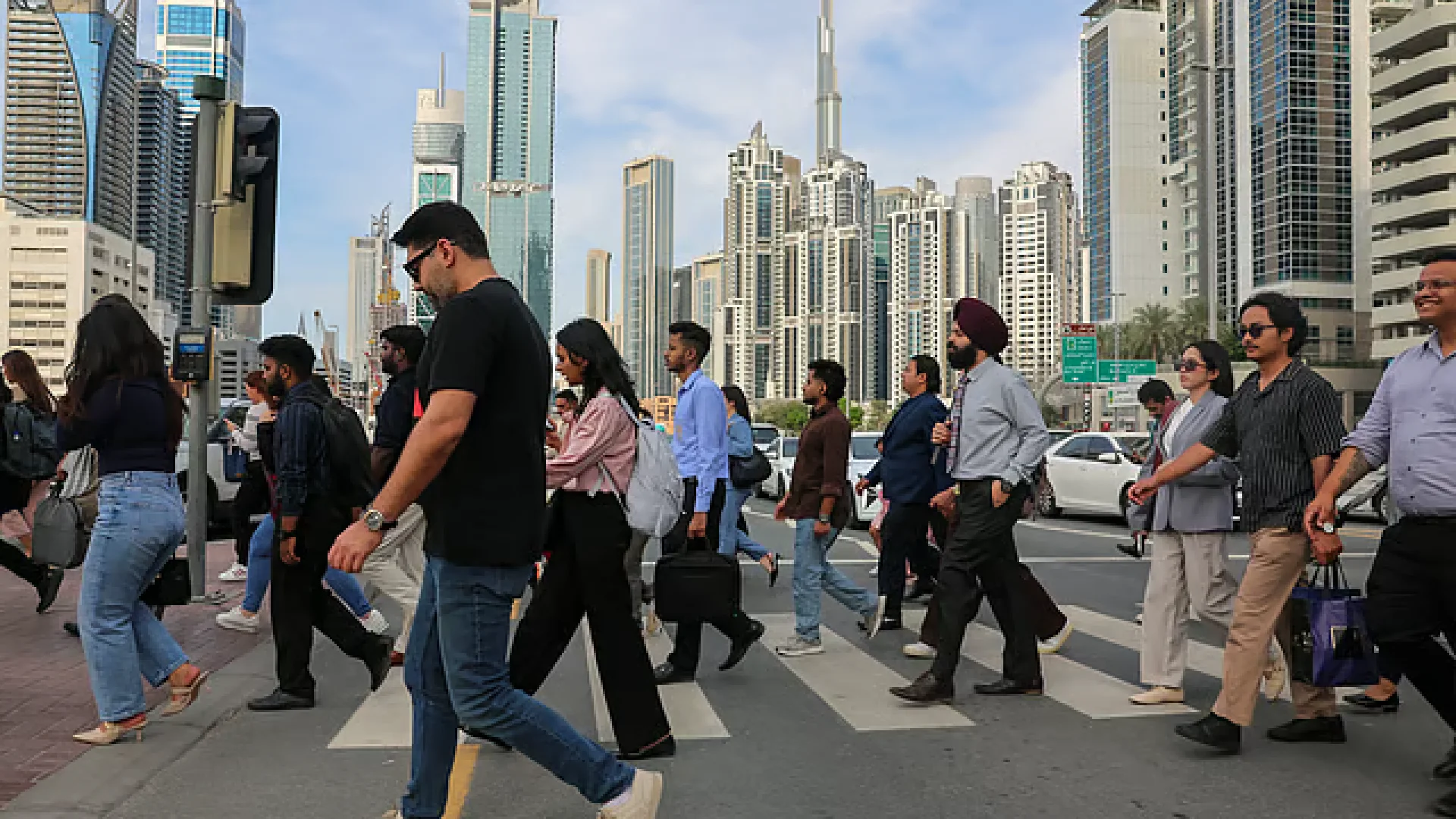

From Dubai’s media hubs to Abu Dhabi’s innovation districts, hiring boards are lighting up again. Recruiters report steady demand across technology, healthcare, tourism, logistics, and finance, powered by digital transformation, major events, and growth-friendly policies. Candidates with AI, data, cloud, cybersecurity, product, and client-facing skills are entering fast lanes—especially when paired with certifications and sharp communication. The momentum favors adaptable professionals who can show measurable impact, navigate multicultural teams, and hit the ground running in a region pushing for speed, service, and scale.
The elevator doors slide open to a burst of cool air and coffee aroma. On level 37, a recruiter glides between glass meeting rooms in a co-working space that overlooks Sheikh Zayed Road—screens glow, résumés stack, and the WhatsApp pings won’t quit. “Send me someone who can ship an MVP in eight weeks,” a product lead types. “We need a data analyst who actually talks to sales,” says another. That’s the sound of a hiring market picking up its pace—and demanding proof, not just promises.
Across the UAE, the job conversation has turned practical, punchy, and fast. Energy in, outcomes out. Sectors with daily headlines—tech, healthcare, tourism, logistics, and finance—are doing more than posting openings. They’re racing for people who turn plans into traction.
Walk the corridors of Dubai Internet City and you’ll hear it: product, data, platform. In Abu Dhabi’s financial district, the talk is risk, compliance, and fintech partnerships. In healthcare clusters, it’s patient experience and digital records. Tourism teams swap playbooks on super-seasonality—peak months that stretch longer each year. And construction cranes? Still etching new lines into the skyline, with project control offices clicking through dashboards at dawn.
It’s not only what you know—it’s how quickly you deploy it. Hiring managers prize people who can build, fix, and explain. They ask for dashboards that tell a story, not just a spreadsheet with tabs. They want an engineer who can center the customer, a marketer who reads the data, a nurse who embraces new digital pathways without losing bedside grace.
Picture the hiring table: three portfolios, one slot. The winner? The candidate who shows outcomes. Not just roles—results. One-page case studies with screenshots. A 90-second video walk-through of a dashboard. A short Loom explaining how you cut a bottleneck by 40%. This is a market that rewards clarity and speed.
Fresh graduates are landing roles that blend training with real responsibility. Apprenticeship-style programs in tech, hospitality, and logistics are back in favor. If you’re switching fields, bring a bridge: a certification, a bootcamp project, a freelance sprint you can unpack in ten slides. Curiosity plus momentum beats perfection on paper.
And yes, soft skills count. The UAE workday moves at cruise speed. Polite e-mails, tight agendas, on-time calls, and follow-ups that close loops—all of that creates trust. Those who manage multicultural teams with grace become the gravity in the room.
Expect more investment in AI copilots, automation at the edges (think logistics and back office), and sustainability reporting that finally becomes muscle memory. Flexible work is here to stay in project-led teams, even as customer-facing roles remain on-site. Upskilling cycles are getting shorter; six months is the new year. And employer brands are competing on learning, not just lobbies.
A quiet shift is underway: job descriptions written like product briefs, with outcomes instead of checklists. “In 90 days, improve NPS by X.” “Ship feature Y.” The message is clear—your runway starts on day one.
When companies hire, neighborhoods hum. Pay attention to how talent flows—it often foreshadows where to live, lease, or invest. Tech and finance teams cluster near transit and amenity-rich districts; healthcare hires seek swift commutes to hospitals and clinics; hospitality managers orbit tourism corridors during peak seasons. The direction of job growth frequently shapes rental demand first, then sales velocity.
Investors can map opportunity to hiring hotspots: innovation corridors, emerging healthcare clusters, and transit-linked submarkets. Think proximity, predictability, and price-to-convenience. As teams scale, landlords who offer thoughtful touches—move-in readiness, reliable maintenance, bundled services—win renewals. A practical playbook:
Bottom line: hiring momentum doesn’t just fill offices—it redraws maps. Where talent gathers, value follows. Savvy renters, buyers, and landlords read the labor market like a compass, then move a step before the crowd.