
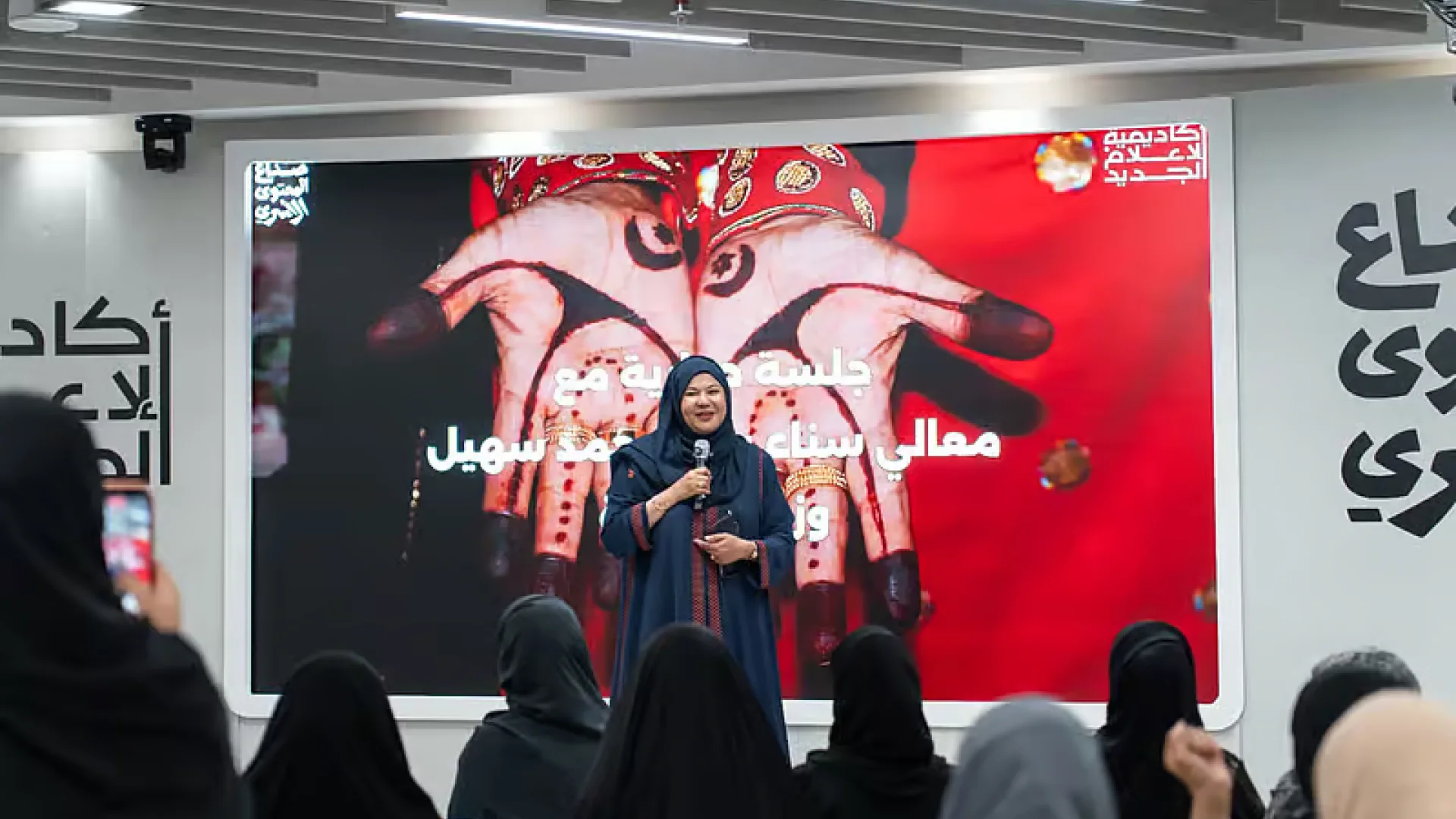

A phone on a tripod can turn a breakfast table into a broadcast—and in the UAE, that reality is now getting a professional rulebook. A new training programme aims to upskill influencers, including family and parent creators, with practical tools for storytelling, production, and platform know-how, while putting ethics, privacy, digital safety and child protection at the centre. It’s a timely response to the region’s fast-growing creator economy and the rising visibility of children in monetised online content. The message is simple: grow your channel, but don’t trade your family’s boundaries for reach.
The ring light snaps on with a soft click. The living room brightens into that particular kind of daylight that isn’t daylight at all—clean, even, camera-ready. A child’s socks skid across the tiles. Somewhere off-frame, a spoon hits the floor like a tiny cymbal.
“One more time,” the father whispers, holding the phone steady. “Just… slower.”
The mother smiles—half for the kid, half for the lens. In the corner, a toy elephant is slumped against the sofa, watching the family become a show.
This is how modern influence is made: not in a studio, but in the in-between moments. And in the UAE, those moments are now being treated with new seriousness. A newly launched training programme is stepping into the rapidly expanding world of influencers—especially family and parent content creators—to teach the craft of creation and the responsibility that comes with broadcasting private life.
Family content has a special power. It feels close. It feels real. The jokes are small, the emotions are big, and the audience often responds with a kind of loyalty brands can only dream of. But that closeness is exactly where the risks hide.
A toddler’s meltdown becomes a “relatable” clip. A school uniform in the background becomes an address clue. A funny moment becomes a permanent record. What starts as innocent sharing can quietly shift into a business model—likes, sponsorships, discount codes, and the constant pressure to post again.
The UAE’s new programme is built for this new reality. It aims to professionalise the creator space by offering training that goes beyond trends and editing tricks—placing ethics, privacy, safety, and child protection right at the core of what it means to be a successful creator.
For years, the creator economy has grown faster than the social rules around it. Many creators learned by trial and error: post, delete, apologise, adjust. But family content isn’t just about the creator anymore. It involves partners, grandparents, neighbours in the background—and, increasingly, children who cannot meaningfully consent to becoming recognisable characters in a public feed.
This training programme responds to that grey zone. It’s a push to raise standards and build a healthier ecosystem for creators and audiences alike—especially in a region where digital ambition and media innovation are part of the national conversation.
Think of it as two tracks running side by side: one is craft, the other is care. Participants learn how to make better content—and how to avoid turning their homes into glass boxes.
That last point—child protection—is not a footnote. It’s the heart of the conversation. Around the world, audiences are beginning to ask harder questions about “kidfluencing” and about children appearing in sponsored content. The UAE’s move signals that this debate is no longer distant; it’s local, practical, and urgent.
During a break, a creator scrolls through his earliest posts, the ones that look almost shy compared to today’s polished reels. “Our first viral video was an accident,” he says. “A baby making a face. We posted it for friends. We thought nobody would see it.”
He laughs, but it’s the kind of laugh that carries a lesson. Virality doesn’t knock politely. It arrives suddenly, with numbers that feel unreal—and with messages that sound like opportunity.
And once a family channel grows, it changes the rhythm of the home. A kitchen becomes a set. A weekend trip becomes a shoot. Even silence becomes something you could post, if you add the right caption. The programme, in many ways, is trying to give creators a new kind of muscle: the ability to pause and ask, Should this be content?
From the outside, family creators often look like they’re simply sharing life. But the work is real: planning, filming, editing, negotiating, replying, invoicing, managing brand deals, tracking performance. The phone is a camera, a contract folder, a customer service desk, and a calendar in one.
As the industry matures, training becomes less of a luxury and more of a safety rail. It helps creators protect their reputation, their income, and—most importantly—the people who didn’t sign up for the spotlight.
The UAE has positioned itself as a hub for new economy sectors, including media and digital entrepreneurship. Influencers and creators are part of that ecosystem, and family content is one of its fastest-growing genres. A programme that raises quality and clarifies responsibility aligns with a broader push: build a creative economy that is competitive, credible, and safe.
In practical terms, it’s also about future-proofing. Platforms change. Audiences get stricter. Regulations evolve. Creators who understand ethics and safety won’t just avoid mistakes—they’ll build trust that lasts longer than a trend cycle.
At the end of the day, when the cameras are off and the building feels quieter, a mother says something that lands softly but firmly: “I just wanted to show what’s real.”
The trainer answers without drama: “Being real doesn’t mean showing everything.”
It’s the kind of sentence that follows you home. It reframes the entire idea of sharing: the goal isn’t to expose family life, but to tell stories with care—so the living room can be a home first, and a studio only when it truly makes sense.
Creator training may sound like a media story—but it has real implications for property markets in the UAE. As more residents turn content into income, homes are being evaluated not only for comfort, but for function: can this space support a hybrid life where work, family, and production overlap?
Investment takeaway: Developers and landlords who design for flexibility—acoustic considerations, adaptable rooms, strong connectivity, convenient delivery logistics, and appealing communal spaces—can benefit from the creator-driven shift in housing preferences. In the UAE, where lifestyle is part of value, the creator economy is increasingly part of the housing equation.