
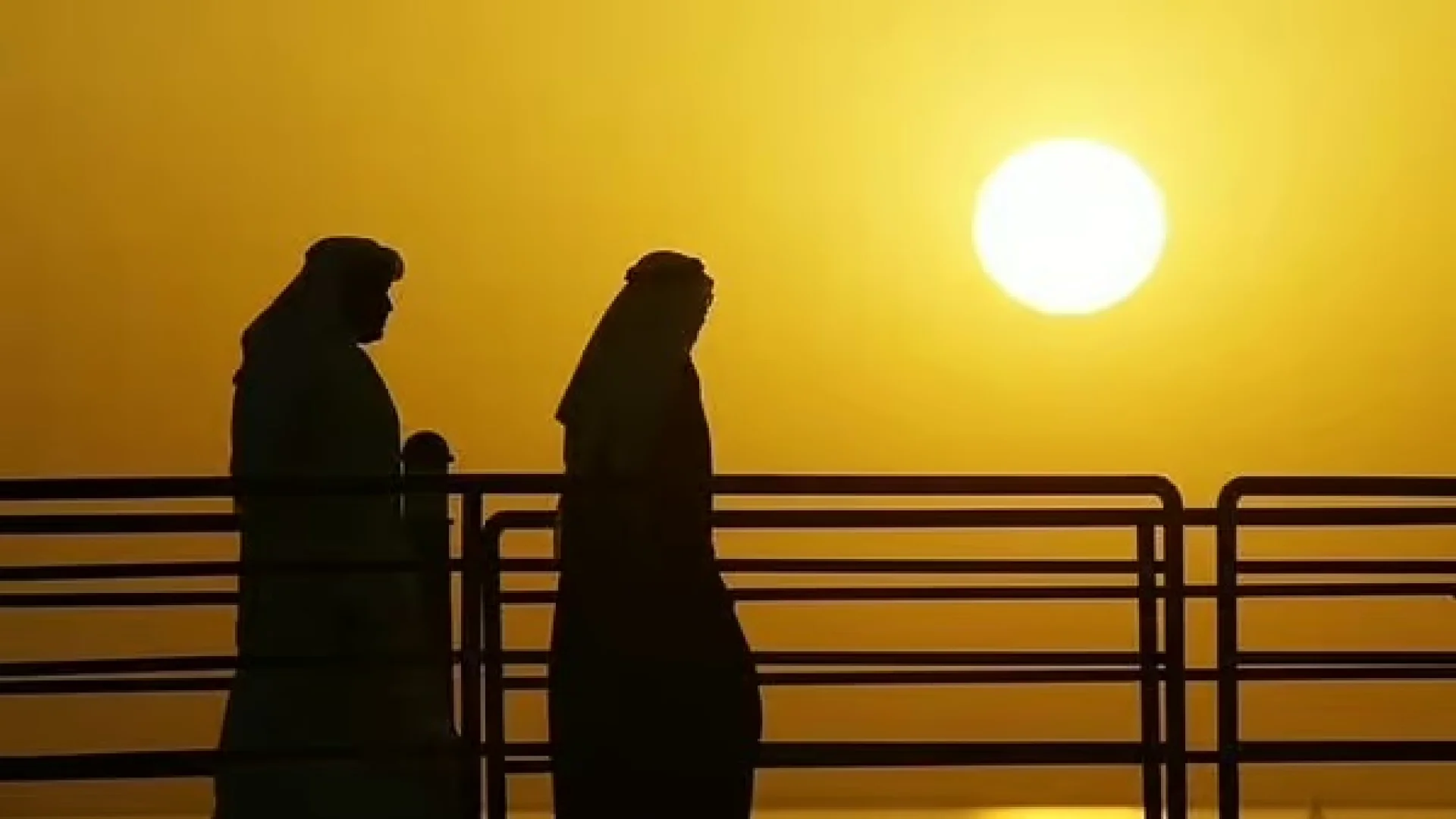

In the UAE, early July doesn’t just feel like summer—it signals the arrival of Jamrat Al Qayth, a locally referenced window often described as the season’s most intense heat. Typically unfolding from around July 3 and extending into August, it’s a period when maximum temperatures become more likely and humidity can amplify the discomfort, especially near the coast. Meteorologists point to a familiar regional recipe: superheated inland air meeting moisture from the Gulf, turning heat into something you don’t simply endure—you physically carry. For residents, workers, and anyone touring properties or moving homes, it’s the annual reminder that in the Emirates, climate isn’t background; it’s a main character.
The first thing you notice isn’t the number on your phone. It’s the sound—tires hissing softly on hot asphalt, a faint crackle where sunlight pins the road down like foil. You step out of an air-conditioned lobby and the heat meets you with a blunt, practiced confidence. Not a breeze. Not a warning. A presence.
“This is the season where the air hugs you,” a security guard says at the entrance of a tower, watching people time their dash to the parking ramp. He doesn’t need to explain what he means. In the UAE, many already have a name for what’s arriving: Jamrat Al Qayth.
Jamrat Al Qayth is often described as the hottest period of the UAE summer—a window that typically starts around early July, frequently cited near July 3, and runs into August. It’s not a single day or a one-off record. It’s a stretch of weeks where the odds tilt toward the extremes: higher daytime peaks, warm nights that refuse to cool, and humidity that can turn a simple walk into a slow-motion workout.
The phrase itself carries heat in its syllables. “Jamrah” evokes an ember—something glowing, something you wouldn’t hold for long. That’s the feeling of these weeks: the summer doesn’t merely continue; it tightens its grip.
Ask anyone who’s lived through a Gulf summer and they’ll tell you there are types of hot. There’s the dry, bright, laser-like heat that feels clean but relentless. And there’s the humid heat—thicker, heavier, the kind that fogs your sunglasses the moment you step outside.
Meteorologists describe a familiar setup. Inland, the landmass heats aggressively under strong sun, baking the air above deserts and open terrain. Meanwhile, moisture from the Arabian Gulf can drift toward coastal areas. When very warm air and moisture meet, the discomfort spikes—not always because the temperature is dramatically higher, but because your body struggles to cool itself the same way. The result is a day that feels like it’s wearing you.
In practical terms, it means you’ll hear people say things like: “It’s not the heat—it’s the humidity,” then pause, laugh once, and rush back inside.
Jamrat Al Qayth isn’t only a midday headline. It’s also the night. The city absorbs sunlight all day—concrete, glass, steel—then releases it slowly, like a warm breath that won’t stop. Even after sunset, the air can stay stubbornly mild to hot, and the relief many climates offer at night simply doesn’t arrive on schedule.
On a late evening stroll, you might find the promenade still busy, but everyone moves differently: slower, more deliberate, with fewer detours. A couple shares a bottle of water like it’s a small ritual. A delivery rider pauses under a streetlamp—not for the light, but for the thin strip of shade cast by a signboard.
“Just five minutes,” someone says, checking the time, as if bargaining with the weather.
When the hottest stretch settles in, the UAE’s urban rhythm shifts. Errands migrate toward early morning. Outdoor work gets planned with more care. Families choose indoor play dates. Gyms and malls become not just destinations but climates—controlled, reliable, predictable.
At a metro station, a father adjusts his child’s cap, eyes locked on the path to the next shaded entrance. “Ready?” he asks. The child nods solemnly. They cross quickly, like they’ve rehearsed it. Fifty meters. One sunlit gap. Then safety again.
It’s the summer teaching small lessons: plan, pace, hydrate, repeat.
During Jamrat Al Qayth, weather updates tend to emphasize the combination that matters most to daily life: high maximum temperatures and, at times, elevated humidity—especially along the coast. The “feels like” factor can jump, and with it come the choices people make about time and movement.
None of this is new to residents. But each year, the first truly heavy day feels like a reminder. The body notices before the calendar does.
And yet—there’s a visual poetry to it. The midday shimmer makes buildings look like they’re floating slightly above the ground. The horizon softens. The sea takes on a pale, metallic sheen. In the very early hours, before the heat locks in, the light can be stunning: honey-gold on façades, long shadows, the city briefly gentle.
Even the silence has texture. You hear less chatter outdoors. More doors closing quickly. More footsteps hurrying across open spaces. The summer edits the soundtrack.
Jamrat Al Qayth also reveals how intimately design and climate are linked. A shaded entrance isn’t a luxury; it’s usability. A covered parking level can feel like a small miracle. A well-sealed building envelope doesn’t just “perform well”—it makes daily life easier.
In these weeks, you can sense which streets were planned with pedestrians in mind and which were built for cars only. You can tell which towers manage solar gain and which ones turn into vertical radiators by late afternoon. The weather becomes a critic, walking through the city with a blunt notebook.
For property owners, investors, landlords, and tenants, the hottest stretch of the year is a practical audit. It’s when building quality stops being a brochure promise and becomes a lived experience—measured in comfort, reliability, and running costs.
Viewing tip: If you’re choosing between properties, visit one in the late afternoon during peak summer. That’s when solar load is honest. A comfortable unit at 5 pm in July is often a comfortable unit all year—and a stronger long-term asset.