
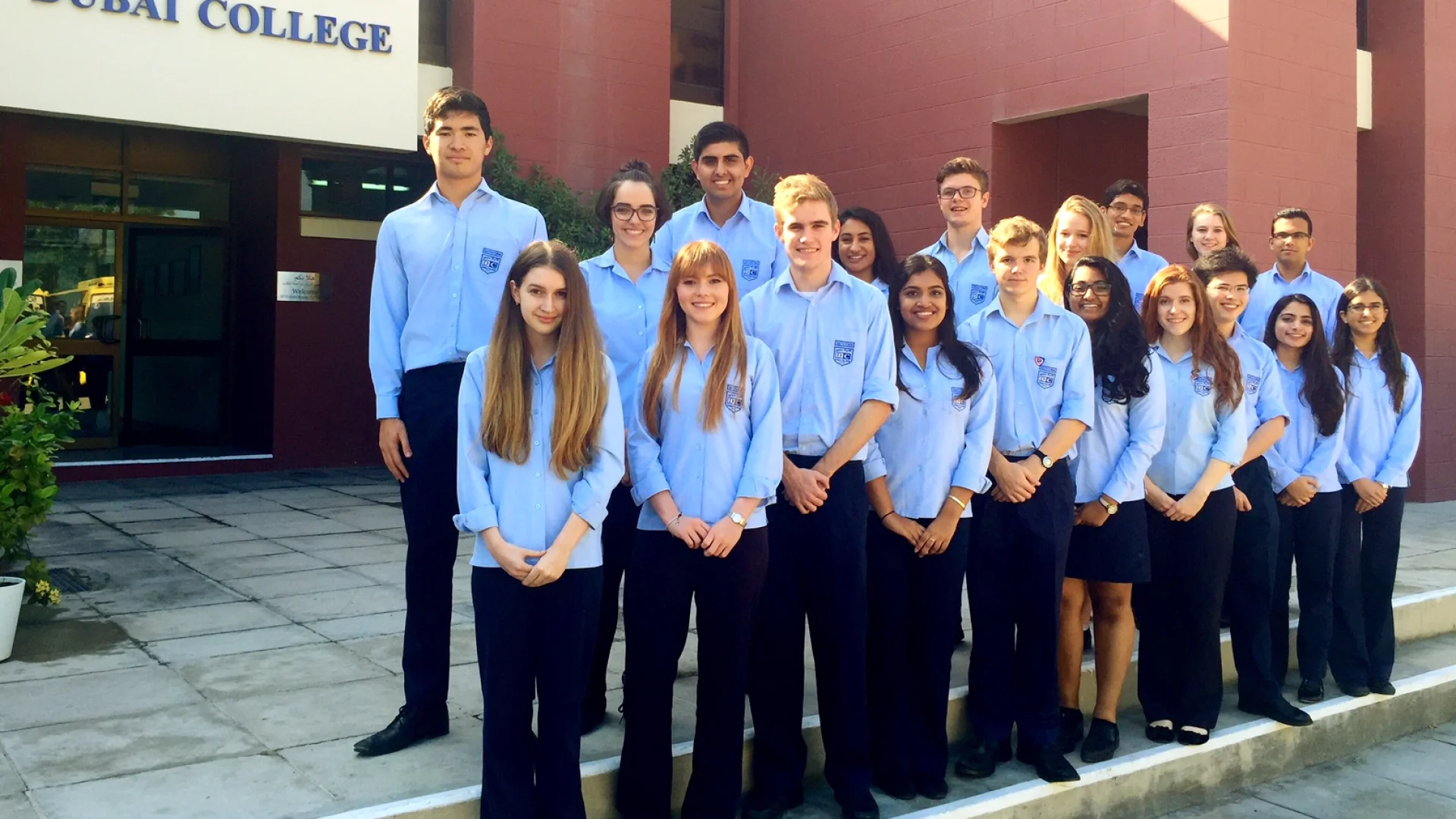

At school gates from Abu Dhabi to Dubai, you can see it in a single glance: the unusually long winter break is over. More than a million children, teenagers and university students are streaming back into classrooms, lecture halls and labs across the UAE, after extra days off around the turn of the year stretched what is usually a shorter pause. Buses, timetables and parent apps have been carefully reset so that the country’s vast education system can switch smoothly from holiday mode back to full learning speed. The first bell of the new term doesn’t just mark a fresh chapter for students – it changes the rhythm of entire neighbourhoods, roads and even the property market around the most sought-after schools.
The metal gate shudders, then swings open with a familiar squeak. In seconds, the empty courtyard in front of a Dubai school fills with colour and noise: navy-blue uniforms, neon backpacks, the clatter of lunchboxes knocking against each other. A little boy clings to his mother’s abaya. “Just walk to the stairs, then I’ll go,” he bargains. Two teenagers compare schedules on their phones. A security guard raises his voice above the din: “Year 7 to the left, Year 8 straight ahead!” Holiday silence has officially been broken.
Scenes like this are playing out at thousands of campuses across the UAE. After an extended winter break in 2026, more than a million students are returning to nurseries, schools and universities. For many families, the time off felt noticeably longer than in previous years – more mornings without alarms, more time to travel, more slow breakfasts at home.
Now, the country’s education machine is humming back to life. Yellow school buses line up at pick‑up points before sunrise. Crossing guards in bright vests step into the traffic stream. School principals send last‑minute reminders through apps and email: updated timings, new gate allocations, gentle pleas to arrive early.
Public schools, private campuses following international curricula, technical colleges and universities all fall into step. It’s the quiet coordination behind the scenes – between education authorities, school operators, transport providers and parents – that allows this vast return to happen without chaos.
Drive through Abu Dhabi, Dubai or Sharjah on this first day back, and the change is unmistakable. Traffic thickens around major education clusters. Cafés near schools open their doors earlier, ready for caffeine‑hungry parents. In residential towers, lift rides are suddenly crowded again with uniformed children, PE kits and science projects made from cardboard boxes.
Inside the schools, the energy is electric and a little awkward – like meeting an old friend you haven’t seen in a while. Teachers stand at classroom doors, ticking off names, calming nervous new starters, joking with familiar faces. “You’ve grown!” is the most overused sentence of the morning. In the corridors, the buzz builds: laughter, whispered holiday stories, the scrape of chairs as students test which ones they’ll claim for the term.
For parents, life jumps a gear. Kitchen counters turn into assembly lines for sandwiches and snack boxes. Alarms are reset, screen time is renegotiated, and family calendars fill up once more with exam dates, sports fixtures and parents’ evenings.
After a long break, even the most motivated students need a gentle glide path back into full concentration. Many schools in the UAE deliberately design the first days of the new term as a soft landing: review lessons instead of new material, class circles to talk about goals, icebreakers for new classmates.
Teachers know what to expect. Younger children come back with bursts of restless energy; older ones sometimes return quieter, still half in holiday mode. “The first period is always strangely calm,” says one English teacher. “Then suddenly the typical classroom soundtrack returns – the questions, the inside jokes, the requests for ‘five more minutes’ on an assignment.”
Wellbeing is high on the agenda. Counselors and pastoral teams check in with students who are changing schools mid‑year, or who have just moved to the UAE. Orientation tours walk newcomers past libraries, labs, prayer rooms and bus bays. In many schools, these first days are about building a sense of belonging as much as about getting back to equations and essays.
For households across the Emirates, the extended winter break has been both a blessing and a logistical puzzle. In the final days before school reopens, kitchen tables disappear under checklists and shopping bags.
These rituals might seem small, but together they mark the moment the country collectively shifts from holiday to high gear. For children, the message is clear: the beach bag goes back into the cupboard, the backpack comes out.
When over a million learners return to study at the same time, cities feel it. The school run reshapes rush hour. Bookstores see a spike in sales of workbooks and reference guides. After‑school parks fill with children in uniforms, kicking footballs while still discussing math problems or science experiments.
The start of the term also underlines how central education is to the UAE’s long‑term vision. Investment in modern campuses, technology‑rich classrooms and teacher development is visible in new buildings, upgraded facilities and increasingly sophisticated learning platforms. The first day back after the winter break is more than a date on the calendar; it’s a visible signal that the country is pushing ahead with its ambition to equip the next generation for a highly competitive, digital world.
The new term doesn’t only transform school corridors – it ripples through real estate, too. Families who spent the extended break moving house are now testing their new commutes in real time, quickly discovering the difference between a ten‑minute school run and a forty‑minute one.
For landlords and investors, the academic calendar has become a quiet but powerful planning tool. Viewings and lease renewals cluster around the major school holidays. Neighbourhoods that offer reliable bus links or short walks to high‑performing schools tend to enjoy lower vacancy rates and a steady stream of enquiries from parents determined to simplify daily logistics.
Developers are responding. New master communities across the Emirates are increasingly designed with schools as anchors – set within or right next to residential clusters, with shaded walkways and safe crossings leading from front doors to school gates. On mornings like this, the design vision comes to life: pavements full of families, cafés serving quick coffees after drop‑off, playgrounds that buzz again by mid‑afternoon.
As the first bell rings after the extended winter break of 2026, two stories unfold at once. One is about children and young adults, shoulders squared under their backpacks, stepping into a new chapter of learning. The other is about evolving cities and neighbourhoods that organise themselves around that daily journey to school – in traffic patterns, in local businesses, and in the long‑term value of the homes that sit within earshot of the morning bell.