
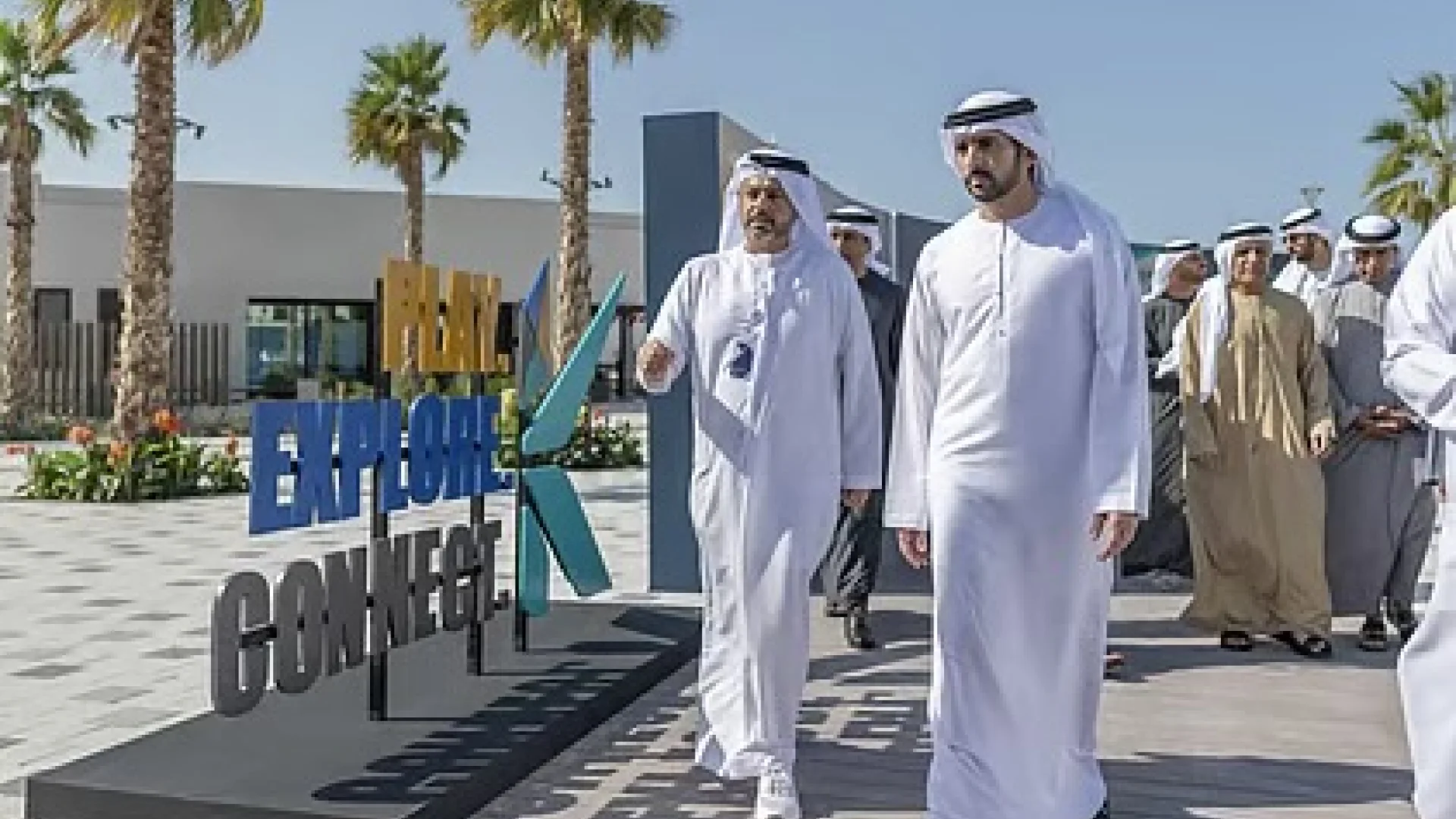

On Dubai’s Umm Suqeim shoreline, where joggers skim the waterline and families chase the last light, a major transformation is on the way. A Dh500 million upgrade has been announced to elevate the beach experience with improved walking and cycling access, upgraded public facilities, enhanced safety and lifeguard support, and smoother arrival and parking. The aim is simple but ambitious: make one of the city’s most beloved public beaches more comfortable, more organised, and easier to enjoy—day after day, season after season. Beyond leisure, the project strengthens Dubai’s broader push to invest in high-quality public spaces as a pillar of liveability and global appeal.
The sand still holds the heat of the afternoon. Not the harsh, noon heat—this is softer now, like a warm stone you keep in your palm. A boy drags a plastic shovel through the shallows and looks up. “Look, look—Burj Al Arab!” he says, as if he’s just discovered it. His mother laughs, shielding her eyes. In the distance, the hotel’s white sail hangs in the haze, and the sea keeps doing what it has always done: breathing in, breathing out.
This is Umm Suqeim Beach at its best. Ordinary, and therefore precious. A place where Dubai doesn’t need velvet ropes to feel special. People come with folding chairs, paper cups of karak, volleyballs, prams, surfboards, dogs on leashes (quickly redirected), and a quiet hope that today will be easy.
Dubai wants to make that “easy” more reliable. A Dh500 million upgrade of Umm Suqeim Beach has been announced—an investment designed to improve access, modernise facilities, enhance safety, and make the entire beachfront experience more comfortable and better organised.
Umm Suqeim is not a destination in the way a theme park is a destination. It’s a hinge. A public seam where neighbourhood life meets the Gulf. In the early morning, the beach belongs to runners and walkers who barely nod hello. Around midday, it fills with families unpacking towels like they’re setting up a small, temporary home. By late afternoon, the crowd becomes a collage: teenagers filming each other at the waterline, retirees sitting under shade, couples who talk in short sentences because the view is doing the heavy lifting.
When a place like this gets busy, it doesn’t just “get crowded.” It gets complicated. Where do you park? How do you move a stroller over soft sand and uneven paths? Where are the showers? How quickly can help arrive if someone struggles in the water? A popular public beach lives and dies by these small frictions.
The announced upgrade is meant to tackle exactly that: the friction.
Stand near the entrance on a weekend and you can read the current version of the beach in body language. Drivers inch forward, scanning for an empty slot. People carry too much, always too much—coolers, chairs, extra bags “just in case.” Some arrive buoyant and leave slightly drained, not by the sea, but by the logistics.
Dubai’s plan focuses on practical improvements that shape the whole day—from arrival to sunset.
On paper, those points sound straightforward. On the sand, they are transformative. A better path changes who can come—parents with prams, older residents, people who simply don’t want to treat the walk to the water like an obstacle course. A clearer layout changes how people behave—less bottlenecking, fewer awkward crossings, less confusion. Good infrastructure doesn’t shout. It quietly makes everyone kinder.
There’s a moment that happens almost every evening here. Someone stands, brushes sand off their legs, and says, “Okay, five minutes.” Five minutes becomes twenty. Twenty becomes one last photo. One last photo becomes a slow walk back because the breeze is finally cool.
What keeps people lingering isn’t just the view. It’s the feeling that leaving won’t be a hassle. If the route back is clear, if lighting feels safe, if facilities are where you expect them to be, the beach stops being a special occasion and becomes a habit.
And habits are what shape cities.
Dubai has spent years investing in public space—promenades, cycling tracks, parks, waterfronts designed not only to impress visitors but to serve residents. The Umm Suqeim project fits that trajectory: a statement that leisure infrastructure is city infrastructure.
Imagine the upgraded Umm Suqeim on a mild winter afternoon. The sun is lower. The light is sharp and honey-coloured. A couple arrives by bike, not sweating, not worried about where to lock it. A father carries a small child who is already pointing at the water. “Can we go now?” the child asks, urgent as a drumbeat. They walk on a path that doesn’t crumble underfoot. They find facilities without asking strangers. They settle in quickly—because the place is designed for settling in.
Out on the water, a lifeguard tower stands like punctuation. Not intrusive, just present. On the sand, people are doing what they came to do: exhale.
That is what Dh500 million can buy when it’s spent on the fundamentals of comfort and safety: not spectacle, but ease.
A coastline is more than scenery in Dubai—it’s a stage where the city’s identity is constantly performed. Umm Suqeim, with its clear views and local feel, is one of the most photographed stretches of public shoreline. Upgrading it is a way of reinforcing the message that Dubai’s best places are not only behind paywalls. Some of them are public, open, and built to welcome.
And when public spaces improve, the surrounding city changes with them. People’s routes shift. Neighbourhood pride rises. Weekend patterns rearrange. A better beach day has ripple effects: on retail footfall, on hospitality demand, on how a district is talked about at work on Sunday morning.
“We should go again,” someone says as they shake sand out of a towel.
That sentence—simple, casual—is the KPI every great public project is chasing.
A Dh500 million beachfront upgrade is not just lifestyle spending; it is a market signal that typically strengthens residential and hospitality fundamentals in the surrounding catchment. In waterfront cities, improved public shoreline quality often translates into a higher “liveability premium,” which can feed into both rental demand and capital values, especially where true beach-adjacent supply is limited.
1) Increased location premium for nearby housing: Neighbourhoods around Umm Suqeim and the broader Jumeirah corridor tend to benefit when a flagship public beach becomes easier to access and more comfortable to use. Buyers and tenants don’t price “distance to the sea” alone—they price usable proximity: safe pathways, reliable facilities, and smoother arrival/parking.
2) Tailwinds for short-term rentals and serviced living: Upgraded public infrastructure is a direct advantage for holiday homes and serviced apartments. For many travellers, a modern, family-friendly public beach nearby is as persuasive as a hotel pool—sometimes more. That can support higher occupancy, stronger nightly rates in peak season, and better guest reviews (which feed demand).
3) Commercial upside along access routes: Better foot and cycle circulation can lift performance for convenience retail, cafés, and everyday F&B near beach gateways. Clearer visitor flows and longer dwell times typically improve unit economics—valuable for investors assessing small-format retail or mixed-use assets in the area.
4) Timing and execution considerations: Large public works can create short-term disruption during construction (traffic diversions, noise, reduced access). Investors should map project phases to leasing cycles and acquisition timing. Transitional periods sometimes produce negotiation leverage, while completion often produces a sharper uplift in sentiment and comparables.
5) Strategic lens—Dubai’s liveability push: The project aligns with a broader pattern of investment in public realm quality, which supports Dubai’s competitiveness in attracting residents, employers, and long-stay visitors. For portfolio construction, beach-adjacent districts with strong infrastructure are often resilient “core” holdings, while older stock nearby may offer value-add potential as the area’s appeal and footfall intensify.